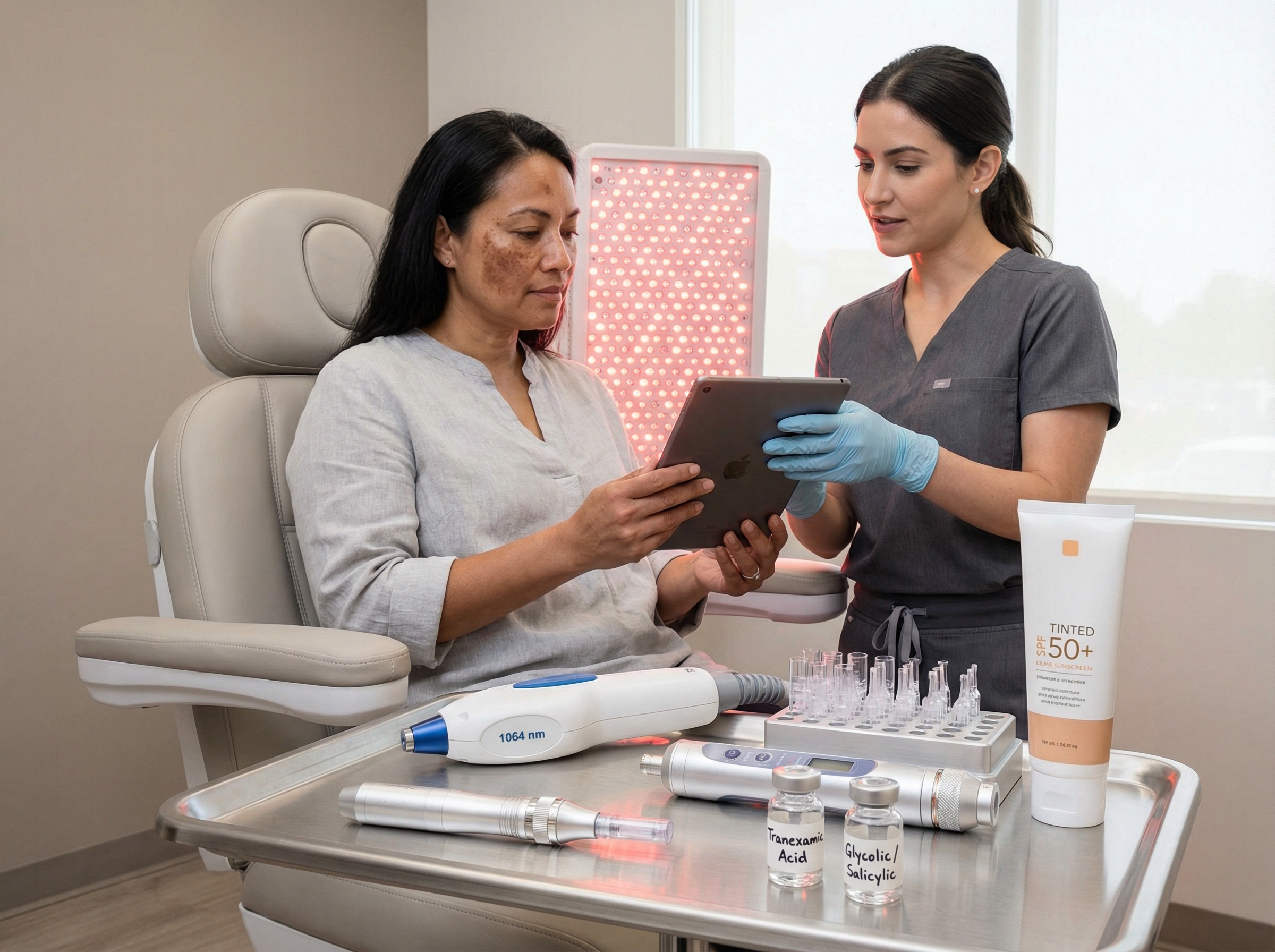
Melasma is a persistent pigment disorder that reacts differently to energy treatments than standard sun damage. This article explains why heat-based lasers and aggressive light therapies can exacerbate melasma, and details safer non-invasive options — microneedling, chemical peels, RF, and LED — including indications, downtime, expected results, and practical safety measures for all skin types.
How Melasma Works and Why It’s Different
Heat is often the enemy when treating melasma. Many patients seek laser treatments hoping for a quick fix to clear their complexion, assuming a laser can simply zap the pigment away like a tattoo or a sunspot. This is a dangerous misconception. They often find that their pigmentation returns darker and more aggressive than before. This phenomenon is known as rebound hyperpigmentation. It happens because melasma is not just a surface stain; it is a chronic inflammatory condition involving overactive melanocytes.
Understanding the mechanism of thermal injury is vital. Heat-generating devices stimulate melanocytes through thermal stress. This stress releases heat shock proteins and inflammatory mediators like prostaglandins and cytokines. These chemical signals tell the pigment cells to produce more melanin as a defense mechanism. Additionally, aggressive resurfacing compromises the skin barrier, sending continuous stress signals to the dermis that perpetuate the cycle of inflammation and pigment deposition. The result is often post-inflammatory hyperpigmentation (PIH) after laser treatment. This risk is significantly higher for individuals with Fitzpatrick skin types III through VI.
The Risk Spectrum of Energy Devices
Not all lasers carry the same level of risk. We classify them based on how much heat they generate and how they interact with the skin. It is crucial to differentiate between these technologies before agreeing to any procedure.
Ablative Lasers (High Risk)
Ablative lasers include Carbon Dioxide (CO2) and Erbium:YAG devices. These tools vaporize the top layers of skin and create significant thermal coagulation zones. This massive injury triggers a robust wound-healing response. While this is excellent for deep wrinkles or scars, it is generally contraindicated for active melasma. The intense inflammation almost guarantees pigment stimulation in susceptible patients. Most consensus statements advise against using these aggressive devices for melasma due to the high probability of worsening the condition.
Non-Ablative Fractional Lasers (Moderate Risk)
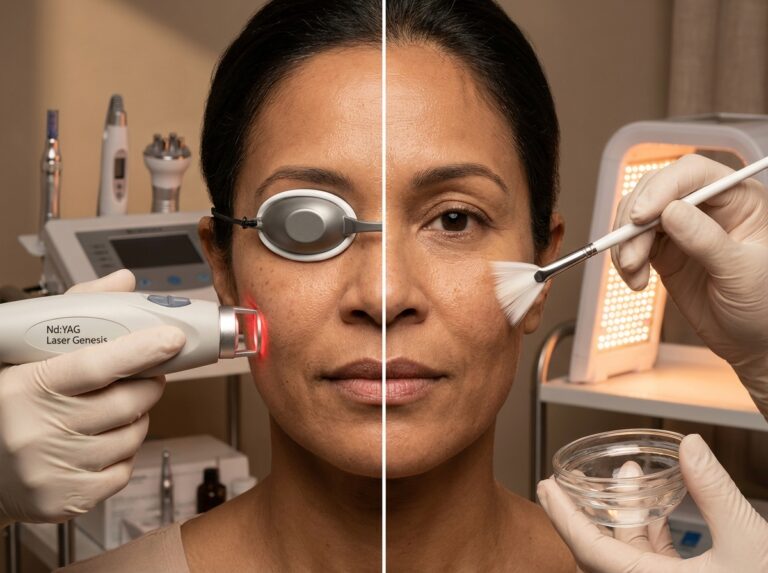
Devices operating at 1550 nm or 1927 nm create microscopic columns of heat in the skin without removing the surface. The 1927 nm thulium laser is often marketed for pigment and can be effective; however, it still generates heat. If the energy is too high, the passes are too frequent, or the cooling is insufficient, it will trigger a flare. The risk increases in darker skin tones where the epidermal melanin absorbs more heat than intended.
IPL and Broadband Light (Variable Risk)
Intense Pulsed Light (IPL) is not a true laser; it uses a broad spectrum of light (400–700 nm). The issue with IPL and melasma is twofold. First, the device heats the skin to destroy pigment. Second, standard IPL emits high-energy visible light (HEVL) which stimulates pigmentation in melasma patients. Unless the device has specific filters to block these wavelengths and is used with strict cooling, IPL can provoke inflammation. Poorly managed heat can even imprint the shape of the crystal block onto the patient’s face as a burn.
Q-Switched and Picosecond Lasers (Paradoxical Risk)
These lasers use sound waves or photo-acoustic energy to shatter pigment, producing less heat than ablative lasers. Theoretically, this is safer. However, a technique called “laser toning” (using low energy over many sessions) is not risk-free. High-fluence treatments or overuse can cause paradoxical darkening. Conversely, they can cause confetti hypopigmentation, where the skin loses pigment completely in small white spots—damage that is often permanent.
Radiofrequency (RF) and RF Microneedling
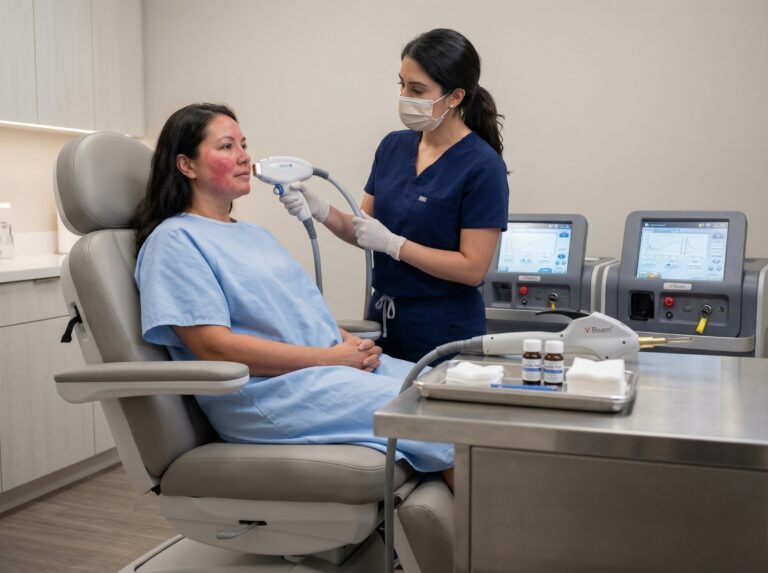
RF microneedling delivers heat directly into the dermis through needles. The safety profile depends entirely on the insulation of the needles and the energy settings. If the needles are not insulated, or if they deliver high energy into the pigment-heavy layers, the thermal spread will activate melanogenesis. We see cases where the grid pattern of the needle tip becomes hyperpigmented weeks after treatment due to bulk heating.
Immediate Results vs. Long-Term Recurrence
Patients often experience a “honeymoon phase” after heat-based treatments. The pigment crusts and peels off within a week, and the skin looks clear and bright. This success is frequently deceptive. The underlying inflammation simmers for weeks. The melanocytes eventually respond to the thermal injury by dumping new pigment, usually 3 to 8 weeks post-procedure. The new pigment is often gray or blue-gray, indicating dermal deposition. Treating this rebound pigmentation is far more difficult than treating the original condition.
Despite these risks, the demand for procedural treatments continues to rise. The melasma segment is expected to grow at a CAGR of 7.1% from 2025 to 2030, driven largely by patients seeking faster results than topical creams can provide.
| Device Type | Mechanism | Melasma Risk Level |
|---|---|---|
| Ablative CO2 / Erbium | Vaporization & High Heat | High |
| Fractional Non-Ablative | Coagulation Columns | Moderate |
| IPL / BBL | Broad Spectrum Light | Variable (HEVL risk) |
| Q-Switched / Pico | Photo-acoustic | Low to Moderate |
| RF Microneedling | Dermal Heating | Settings Dependent |
Red Flags and Contraindications
Certain situations greatly increase the risk of worsening melasma with lasers. Clinicians should identify these red flags during the consultation, and patients must be honest about their history.
- Active Inflammation: Treating skin that is currently red, irritated, itching, or flaring is akin to pouring gasoline on a fire.
- Recent Sun Exposure: Skin with a fresh tan has activated melanocytes. Adding laser energy to this state causes burns and hyperpigmentation.
- Pregnancy: Hormonal fluctuations make pigment cells unpredictable. Lasers are generally contraindicated until hormones stabilize postpartum.
- Lack of Preconditioning: Treating Fitzpatrick skin types IV–VI without weeks of tyrosinase inhibitors is unsafe.
- No Maintenance Plan: Melasma is chronic. Treating it without a long-term plan for sun protection and topicals ensures recurrence.
Non-Invasive Alternatives: Microneedling, Peels, and LED
Since heat is often the enemy, we look toward methods that work without thermal injury. The goal shifts from burning pigment away to mechanically breaking it up or chemically exfoliating it while keeping the melanocytes calm. This approach relies on three main pillars: microneedling, chemical peels, and LED phototherapy.
Microneedling for Melasma
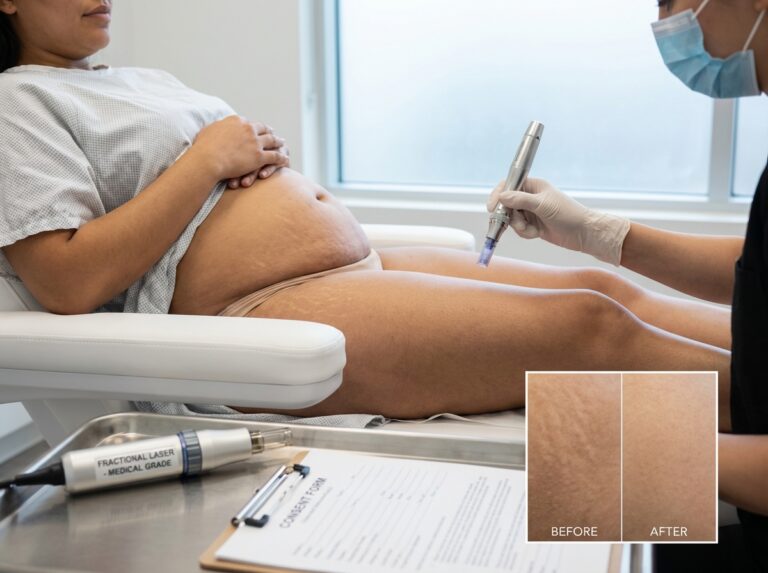
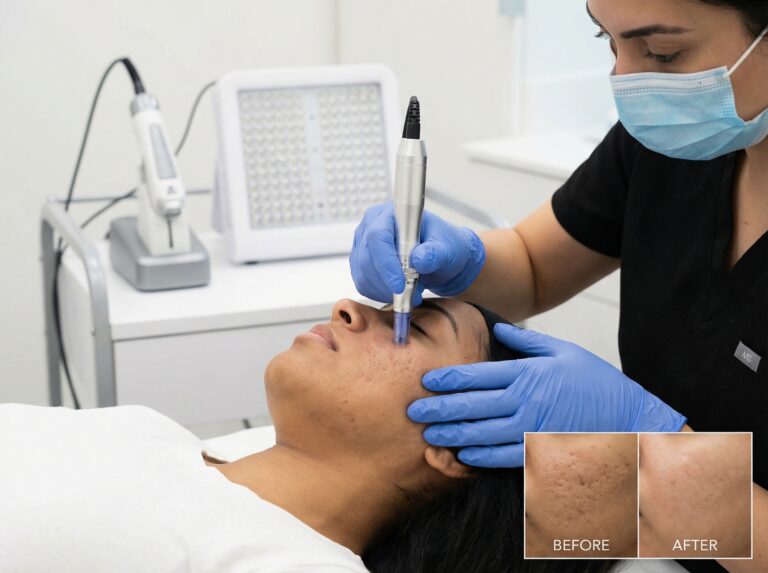
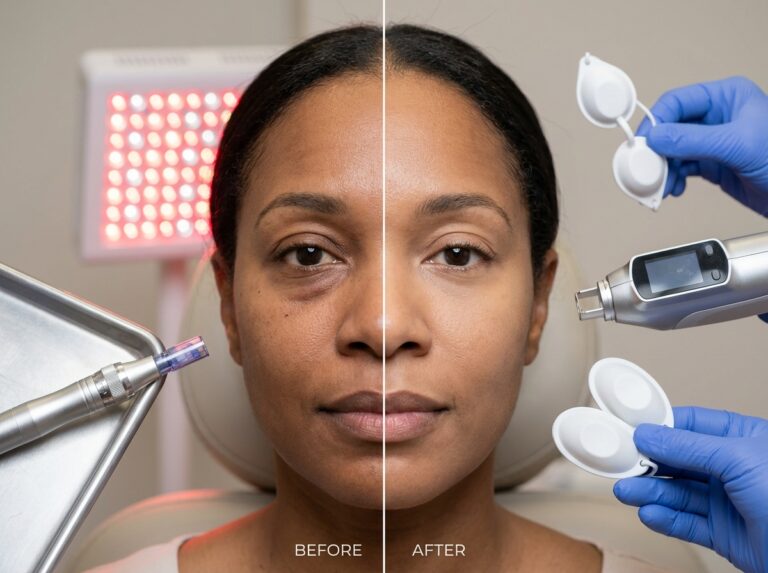
Microneedling has moved from a niche treatment to a central tool in pigment management. It works by creating thousands of microscopic channels in the skin. This mechanical action triggers a remodeling response without the thermal coagulation zones associated with lasers. For melasma specifically, the primary benefit is enhanced transdermal delivery.
The stratum corneum usually blocks most topical agents. Microneedling opens a temporary door. When we apply tranexamic acid topical solutions or other depigmenting agents like vitamin C or glutathione immediately during or after the procedure, penetration increases significantly. This allows the medication to reach the depth where the pigment sits.
Protocols and Depth
Depth matters. Aggressive needling that causes pinpoint bleeding is unnecessary and risky for melasma. We want to stay in the epidermal or very superficial dermal junction.
- Needle Depth: For facial melasma, a depth of 0.5 mm to 1.0 mm is usually sufficient. Going deeper than 1.5 mm increases inflammation and the risk of PIH.
- Frequency: Sessions are typically spaced 2 to 4 weeks apart. A standard series involves 3 to 6 treatments.
- Technique: Automated pens are preferred over rollers because the vertical insertion causes less epidermal tearing.
Chemical Peels for Melasma
Chemical peels remain a workhorse for treating pigment, but the philosophy has changed. We no longer aim for deep peeling that leaves a patient hiding for a week. The modern approach uses superficial peels as consistent, controlled exfoliation events. Chemical peels for melasma work by accelerating epidermal turnover, removing melanin-filled keratinocytes, and forcing the skin to regenerate a clearer layer.
Common Agents and Concentrations
- Glycolic Acid (20% to 50%): The most common alpha-hydroxy acid. It penetrates quickly but requires careful neutralization. In darker skin, we start low (20-30%) and limit contact time to 2-3 minutes.
- Salicylic Acid (20% to 30%): Self-neutralizing and excellent for patients with oily skin. It is anti-inflammatory, which helps keep melanocytes calm.
- Lactic Acid: A gentler molecule than glycolic, preferred for sensitive or dry skin types.
- TCA (Trichloroacetic Acid) 10% to 15%: Low-strength TCA is effective but requires strict endpoint monitoring. We look for a light frost or just erythema. A solid white frost indicates a depth that is too risky for melasma.
- Jessner’s Solution: A combination of resorcinol, salicylic acid, and lactic acid.
With superficial peels, downtime is minimal. The critical safety step is neutralization. Acids like glycolic must be stopped with a bicarbonate solution or water. Leaving them on too long creates a burn, which inevitably leads to more pigment. Studies comparing efficacy and safety show that serial superficial peels often yield better long-term results than a single deep peel because they avoid the rebound effect.
LED Phototherapy
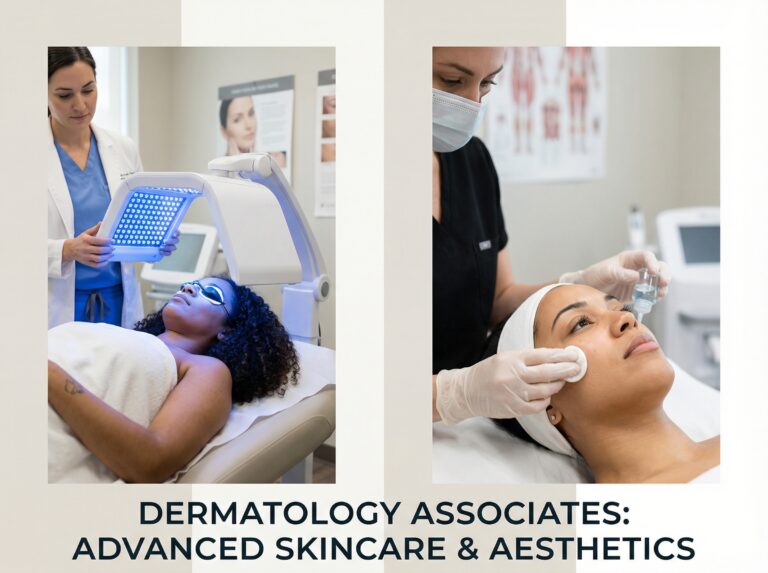
Light Emitting Diode (LED) therapy is the gentlest modality available. It is completely non-thermal. For melasma, we use LED therapy pigment protocols involving red (633 nm) and near-infrared (830 nm) light. These wavelengths do not target melanin directly; instead, they reduce inflammation and downregulate the chemical messengers that tell the melanocyte to produce pigment.
What to Avoid: Blue light (400-470 nm) is generally avoided in melasma patients. While it kills acne bacteria, these wavelengths can stimulate pigment production in darker skin types, acting similarly to UV radiation.
Sequencing and Combinations
The most effective treatment plans combine these modalities rather than relying on just one. A logical sequence respects the skin barrier and the pigment cycle.
Phase 1: Preconditioning (4-8 weeks)
Before any needles or acids touch the face, the patient uses a tyrosinase inhibitor (like hydroquinone, azelaic acid, or topical tranexamic acid) and strict sun protection. This puts the melanocytes to sleep.
Phase 2: Active Treatment
We might alternate modalities. For example, perform a microneedling session with topical tranexamic acid, wait 4 weeks, and then perform a salicylic acid peel. This attacks the pigment from different angles without overwhelming the skin.
Phase 3: Maintenance
Once the pigment has cleared, we stop the mechanical treatments. The patient continues with a safe topical regimen and perhaps monthly LED sessions. Current treatment standards in 2025 emphasize that maintenance is just as important as the correction phase to prevent relapse.
Systemic Treatments and Safety Protocols
For many patients, topical treatments and procedures are not enough. Systemic support and strict safety protocols are required to stabilize the skin from the inside out and prevent procedure-induced flares.
Systemic Support: Oral Tranexamic Acid
Oral tranexamic acid melasma protocols have gained massive traction as a way to manage the vascular component of melasma—the redness that often underlies the brown pigment. It works by inhibiting plasmin, reducing inflammation and vascularity.
- Dosing: Common off-label protocols use 250 mg twice daily or 500 mg once daily.
- Duration: Courses typically last 8 to 24 weeks. Recurrence after stopping is common, so it is often used to “cool down” melasma before or during other treatments.
- Safety: It is a clotting medication. It is absolutely contraindicated in patients with a history of thrombosis (blood clots), stroke, or those taking anticoagulants. Screening for these risks is mandatory.
Essential Safety Protocols for Procedures
If you and your provider decide to proceed with any treatment, specific safety protocols are non-negotiable.
1. Mandatory Preconditioning
Treating active, unstable melasma with energy is a recipe for disaster. Preconditioning “puts the melanocytes to sleep” before the procedure. Patients must use a tyrosinase inhibitor (like hydroquinone 4% or azelaic acid 15–20%) for 4 to 12 weeks prior to treatment. This suppresses the melanocytes so they are less likely to react to thermal shock.
2. The Test Spot
You cannot predict exactly how melasma skin will react to heat. A test spot is the only way to gauge safety. A small area near the ear or jawline should be treated first. The provider must wait 4 to 12 weeks to observe the reaction. Delayed PIH is common in melasma; a test spot that looks good after one week might turn dark after one month.
3. Immediate Cooling and Anti-Inflammatory Care
The goal is to suppress inflammation immediately. Use air cooling during the treatment and cold packs immediately after. The skin should not feel hot for long. Many providers apply a topical steroid or a non-steroidal anti-inflammatory cream for a few days post-procedure to block the inflammatory spike.
4. Heat Avoidance
For 48 hours post-procedure, avoid anything that raises core body temperature. No saunas, no hot yoga, and no intense cardio. Internal heat can trigger the same inflammatory cascade as external laser heat.
Sun Protection: The Role of Iron Oxide
You cannot treat melasma if you are not protecting your skin from light. Standard sunscreen is not enough. You need protection from High-Energy Visible Light (HEVL), or blue light, from the sun and screens. This light penetrates deeper than UV rays and stimulates stubborn pigment.
The only ingredient that effectively blocks this visible light is iron oxide. Patients must use a tinted mineral sunscreen containing iron oxides. It acts as a physical shield. If your sunscreen is white, it is not protecting you from blue light. Applying this every morning is a non-negotiable part of melasma management.
Special Considerations: Pregnancy
Hormonal fluctuations during pregnancy (chloasma) make pigment unstable. Energy treatments and systemic medications like oral tranexamic acid are generally contraindicated. Management should focus on safe topicals (like azelaic acid) and strict physical sun protection. Procedures should be deferred until hormones stabilize postpartum.
Conclusions: Practical Takeaways and a Safe Treatment Pathway
If you take one thing away from this guide, let it be this: Melasma is not just a stain on the surface of your skin; it is a chronic inflammatory condition. Treating it requires patience and a strategy that respects your skin barrier rather than attacking it. Aggressive shortcuts usually lead to regret. The goal is long-term control rather than a permanent cure.
For years, people believed that stronger lasers meant better results. We now know that for melasma, heat is often the enemy. High-energy thermal devices can trigger a response in your skin that makes the problem worse. The heat generates inflammation, which wakes up melanocytes, causing them to dump more melanin into the skin. This is why we see so many cases of rebound hyperpigmentation where the melasma comes back darker and deeper than before.
We prioritize treatments that work mechanically or chemically rather than thermally. If a laser is used, it should be a low-energy, non-ablative option, and only after your skin is fully prepped. This cautious approach is the cornerstone of safe laser treatment melasma protocols.
The Safe Treatment Pathway
We have developed a structured pathway to minimize risk. This is not a menu you pick from randomly; it is a sequence.
- Phase 1: Preconditioning. Suppress pigment cells with a tyrosinase inhibitor for 4 to 12 weeks.
- Phase 2: The Test. Perform test spots in a discreet area and wait several weeks to observe the reaction.
- Phase 3: Conservative Treatment. Start low and slow. Microneedling and superficial chemical peels are often safer than lasers. If lasers are used, settings must be conservative.
- Phase 4: Recovery and Maintenance. Use anti-inflammatory creams and strict sun avoidance. Continue with a safe topical regimen and perhaps monthly LED sessions.
You need to view this as a chronic condition like asthma or hypertension. You manage it; you do not fix it once and forget it. A typical maintenance schedule involves follow-up appointments every three to four months to adjust topicals and catch any recurrence early. Recent data on the efficacy and safety of different treatments for melasma supports this layered, long-term approach over aggressive one-time interventions. Consistency in your melasma maintenance routine is the real secret to success.
References
- Melasma Treatments Unlocking Growth Opportunities: Analysis and … — Discover the booming melasma treatment market, projected to reach $1.5B by 2025 with a 5% CAGR. Explore key drivers, trends, and leading …
- Hyperpigmentation Disorder Treatment Market Size 2025 to 2034 — The global hyperpigmentation disorder treatment market size is calculated at USD 6.19 billion in 2025 and is forecasted to reach around USD …
- Hyperpigmentation Treatment Market | Industry Report, 2030 — The melasma segment is expected to grow at the fastest CAGR of 7.1% from 2025 to 2030. The rising incidence of melasma, particularly among women, is driving …
- Efficacy and Safety of Different Treatments for Melasma — This study aims to compare the efficacy and safety of different treatments for melasma. Methods: We conducted a comprehensive search of PubMed …
- Hyperpigmentation Treatment Market | USD 2.91 Billion by 2034 — The U.S. hyperpigmentation treatment market size is evaluated at USD 0.6 billion in 2024 and is projected to be worth around USD 1.2 billion by 2034, growing at …
- Hyperpigmentation Treatment Market Size & Outlook, 2026-2034 — The global hyperpigmentation treatment market size is estimated at USD 1.46 billion in 2025 and is projected to reach USD 2.55 billion by 2034, growing at a …
- Melasma Treatments Market Report | Global Forecast From 2025 To … — The global melasma treatments market size is projected to witness substantial growth over the forecast period, with an estimated value of USD 1.02 billion …
- Melasma Treatment 2025: Cost, Ingredients, Results — The global hyperpigmentation treatment market was estimated at USD 1.39 billion in 2024 and is projected to reach USD 2.02 billion by 2030 [8], …
Legal Disclaimers & Brand Notices
The content provided in this article is for informational purposes only and does not constitute medical advice, diagnosis, or treatment. Always seek the advice of a physician or other qualified health provider with any questions you may have regarding a medical condition, clinical procedure, or pharmaceutical regimen. Never disregard professional medical advice or delay in seeking it because of something you have read in this article.
All product names, logos, and brands mentioned within this text are the property of their respective owners. All company, product, and service names used in this article are for identification purposes only. Use of these names, trademarks, and brands does not imply endorsement, affiliation, or certification by the trademark holders.