TCA peels remain a cornerstone of non-invasive skin rejuvenation, offering predictable improvement in texture, fine lines, and pigmentation. This article explores what to expect during a TCA peel recovery — from immediate reactions and a day-by-day timeline to safety precautions, pre- and post-care, and how TCA compares to microneedling, lasers, RF, and LED therapies in results and downtime.
Overview of Non-Invasive Skin Rejuvenation Treatments
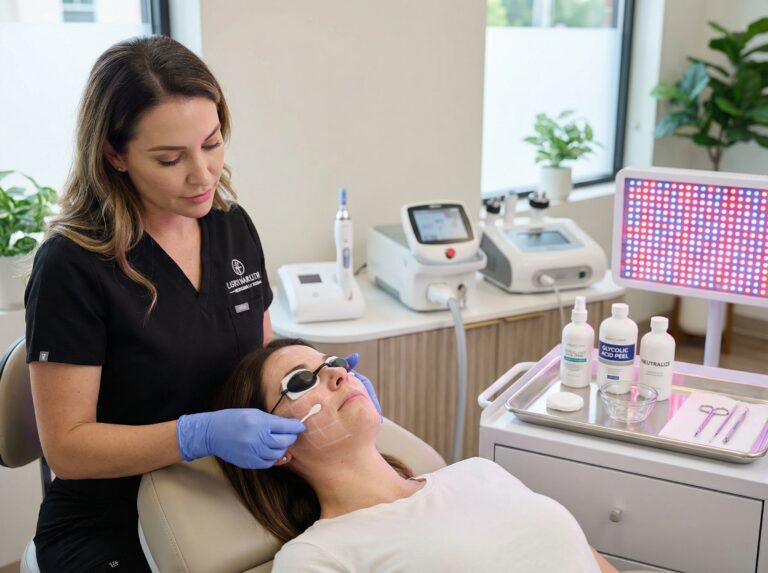
To understand where a TCA peel fits into your skincare plan, you have to look at the broader landscape of non-invasive rejuvenation. As of late 2025, the US market has moved away from the “one treatment fixes all” mentality. We now see a mix-and-match approach where chemical peels sit alongside lasers, needles, and light therapy. Each modality targets specific layers of the skin, and they all come with different “price tags” in terms of downtime and discomfort.
Chemical Peels: The Gold Standard for Resurfacing
Chemical peels remain the most versatile tool in dermatology because they are chemically customizable. We categorize them by depth.
Superficial Peels (The “Lunchtime” Peel)
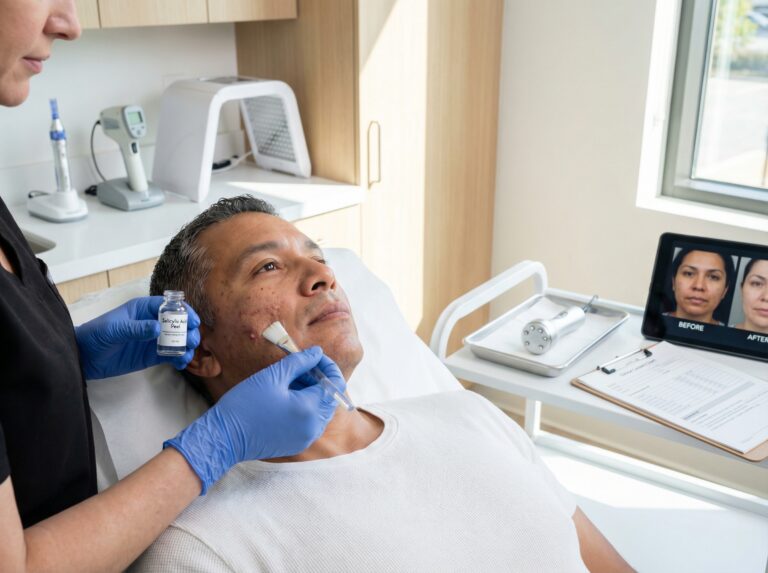
These use alpha-hydroxy acids (AHAs) like glycolic or lactic acid, or beta-hydroxy acids (BHAs) like salicylic acid. They only exfoliate the outermost layer of the epidermis. You might see a little pinkness, but true peeling is rare. They are excellent for mild radiance and acne control but won’t touch deep wrinkles. Costs in 2025 average between $150 and $300.
Medium-Depth Peels (TCA)
Trichloroacetic acid (TCA) is the workhorse here. It penetrates through the epidermis to the papillary dermis. This is where we see real collagen stimulation. It addresses photoaging, moderate lines, and pigmentation. Medium peels do require a little downtime, typically about a week. The trade-off for the downtime is a significant improvement in texture that superficial peels cannot achieve. Prices typically range from $300 to $600 in the Midwest and $500 to $1,000 in major coastal cities.
Deep Peels (Phenol)
These are rare today due to the risk profile and cardiac monitoring requirements. They penetrate the reticular dermis. The results are dramatic—often erasing decades of damage—but the recovery is brutal, often requiring two weeks of seclusion and months of residual redness.
Microneedling: Mechanical Collagen Induction
Microneedling creates thousands of microscopic channels in the skin using sterile needles. This mechanical injury triggers a wound-healing response without using heat.
Indications and Results
It is the go-to for acne scarring and textural irregularities. Because it physically breaks up scar tissue, it offers benefits that chemical exfoliation sometimes misses. Results appear gradually over 3 to 6 months as new collagen forms.
Safety and Downtime
Recovery is fast, usually 24 to 72 hours of looking like you have a sunburn. The major advantage of microneedling is its safety profile for darker skin tones (Fitzpatrick IV-VI). Since there is no heat generation, the risk of post-inflammatory hyperpigmentation (PIH) is significantly lower than with lasers.
Laser Facials: Ablative vs. Non-Ablative
Lasers use light energy to target water or chromophores (pigment) in the skin.
Non-Ablative Lasers
Devices like the Fraxel (thulium or erbium glass) heat the underlying tissue without destroying the surface skin. They are excellent for general rejuvenation and mild pigmentation. You need a series of 3 to 5 treatments. Downtime is minimal, often just a day of redness.
Ablative Lasers
CO2 lasers vaporize columns of tissue. They are aggressive. They rival deep chemical peels in results for deep wrinkles and severe sun damage. However, the downtime is significant (1 to 2 weeks), and the risk of scarring or pigmentation changes is higher, especially in olive or darker skin tones. Costs are significantly higher than peels, often exceeding $800 per session.
Radiofrequency (RF) Treatments
RF devices use electrical current to generate heat deep in the dermis, tightening existing collagen fibers and stimulating new ones.
The Lift Factor
Unlike peels or lasers which focus on surface texture and tone, RF focuses on laxity. It tightens loose skin on the jawline and neck. It does not exfoliate. In 2025, we frequently see RF combined with microneedling (RF Microneedling) to tackle texture and tightening simultaneously.
LED Phototherapy
Light Emitting Diode (LED) therapy is non-thermal and non-invasive. Red light reduces inflammation and builds collagen; blue light kills acne bacteria.
Role in Rejuvenation
LED is rarely a standalone treatment for aging. Instead, it is an adjunct. We use it immediately after microneedling or peels to speed up recovery and reduce redness. It has zero downtime.
Comparative Overview of Treatments
This table summarizes how these modalities stack up against each other in the current US market.
| Modality | Primary Target | Avg. Downtime | Pain Level | Fitzpatrick Suitability |
|---|---|---|---|---|
| Superficial Peel | Glow, mild acne | 0–2 days | Mild tingling | All types (I–VI) |
| TCA Peel (Medium) | Texture, pigment, lines | 7–10 days | Moderate burn | Best for I–III (Caution IV+) |
| Microneedling | Scars, pore size | 1–3 days | Mild (numbed) | All types (I–VI) |
| Ablative Laser | Deep wrinkles | 10–14 days | High | Strictly I–III |
| RF Microneedling | Tightening + Texture | 2–4 days | Moderate | All types (I–VI) |
How Clinicians Choose the Right Modality
Selecting the right treatment involves balancing the patient’s goals with their biological reality.
Fitzpatrick Skin Type
This is the first filter. Patients with Fitzpatrick types IV-VI (Mediterranean, Asian, African descent) are at higher risk for PIH. For these patients, microneedling or superficial chemical peels are safer starting points than medium-depth TCA or ablative lasers. If a TCA peel is used on darker skin, we lower the concentration and prime the skin with tyrosinase inhibitors (like hydroquinone) for weeks beforehand.
Downtime Tolerance
We ask patients about their social and work calendar. If a patient cannot take a week off work to shed skin, a medium-depth TCA peel is off the table. We would pivot to a series of non-ablative laser treatments or microneedling, which offer cumulative results with minimal interruption.
Specific Skin Concerns
If the primary concern is volume loss and sagging, a peel won’t help; we need RF or fillers. If the concern is surface pigmentation (sun spots), a TCA peel or thulium laser is superior to microneedling.
Common Combination Therapies in 2025
The trend in aesthetic medicine is “stacking” treatments to maximize results while managing downtime.
Microneedling + PRP
Often called the “Vampire” facial, this uses the patient’s own platelet-rich plasma to accelerate healing and boost collagen production after needling.
Fractional Laser + LED
Clinicians often finish a laser session with 20 minutes of red LED light. This significantly cuts down the immediate post-procedure erythema (redness) and stinging.
Dermaplaning + Chemical Peel
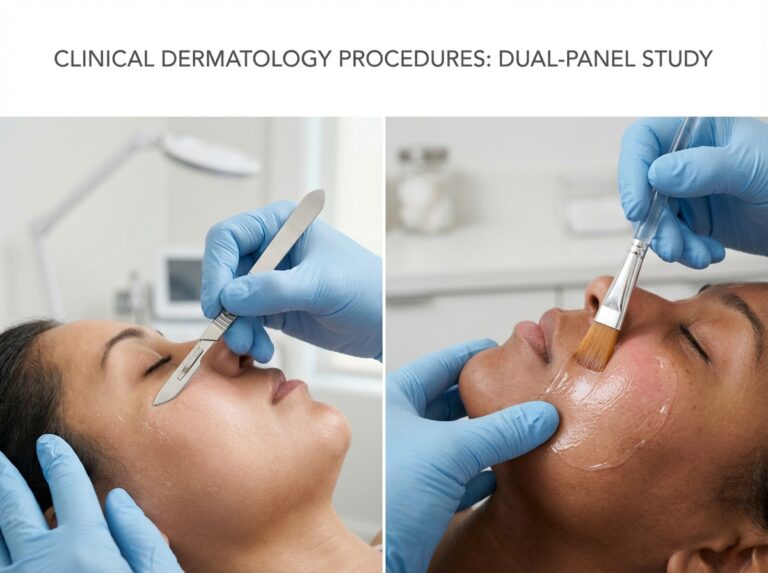
Removing the vellus hair and dead stratum corneum physically with a blade (dermaplaning) allows the chemical peel solution to penetrate more evenly and effectively. This is usually done with superficial peels, as doing it with TCA increases the risk of “hot spots” or burns.
Safety and Market Trends
Safety protocols have tightened. In 2025, reputable clinics require a patch test for anyone with a history of sensitivity. There is also a strong emphasis on pre-conditioning the skin. You rarely walk in for a TCA peel on day one; you spend a month prepping your skin barrier with retinoids and SPF to ensure the skin heals predictably.
Cost and Availability
Prices vary by region. A medium-depth TCA peel in New York City or Los Angeles ranges from $500 to $1,000, while the same treatment in the Midwest or Florida might cost $300 to $600. Always verify that your provider is a board-certified dermatologist or a licensed provider operating under strict medical supervision. The “bargain” peel is often where complications like burns and scarring occur.
The Shift to “Pre-juvenation”
We are seeing younger patients (mid-20s) opting for lighter, more frequent treatments like microneedling and light peels to delay the need for aggressive correction later. This shifts the focus from “repair” to “maintain,” making the recovery process easier and the results more natural.
Understanding TCA Peels and How Recovery Progresses
Trichloroacetic acid, or TCA, operates differently than the alpha hydroxy acids you might find in over-the-counter serums. It works through protein coagulation. When the acid touches the skin, it causes the proteins in the epidermal and dermal layers to denature and clump together. This creates a controlled injury that forces the body to shed the damaged layers and rush to repair the site with fresh collagen and elastin.
The depth of this injury depends entirely on the concentration and how the clinician applies it.
Superficial Peels (10% to 25%)
These stay primarily in the epidermis. They are often used for mild texture issues or brightening. You might see some flaking, but the injury does not penetrate deep enough to cause heavy crusting.
Medium-Depth Peels (30% to 35%)
This is where clinical results for wrinkles and acne scars happen. At this strength, the acid penetrates through the epidermis and reaches the papillary dermis. This is the upper layer of the true skin. Reaching this depth is necessary to smooth out etched lines or significant pigmentation, but it triggers a much more intense recovery process. (Note: Concentrations above 35% are generally reserved for spot treatments like TCA CROSS due to scarring risks).
Sensations During the Procedure
You should know that a medium-depth TCA peel is not painless. As the solution is applied, the sensation escalates quickly from a mild tingle to a strong, intense burning or stinging feeling. Most clinicians use a fan or cold air chiller to distract from the heat. The peak sensation usually lasts only a few minutes until the acid neutralizes or the frosting endpoint is reached.
Frosting is a key clinical sign. The skin turns white, looking almost like frost on a window. This confirms that the proteins have coagulated and the acid has reached the intended depth. Once this happens, the heat subsides into a lingering warmth, similar to a bad sunburn.
The Recovery Timeline
Recovery from a medium-depth peel follows a predictable pattern. It is not linear healing where you look a little better every day. You actually look worse before you look better.
Day 0 (Treatment Day)
Immediately after the procedure, the frosting fades within 30 to 60 minutes. Your skin will look red and feel tight. It continues to feel like a sunburn. You might notice some swelling, especially if the peel was done near the eyes.
Days 1 to 3
The redness often deepens to a bronze or brown color. Your skin will feel incredibly tight, almost like parchment paper or leather. This is the dead skin layer drying out and preparing to separate. You will not see active peeling yet, but the skin will look significantly older and more textured during this phase. Swelling is usually at its worst on day 2.
Days 4 to 7
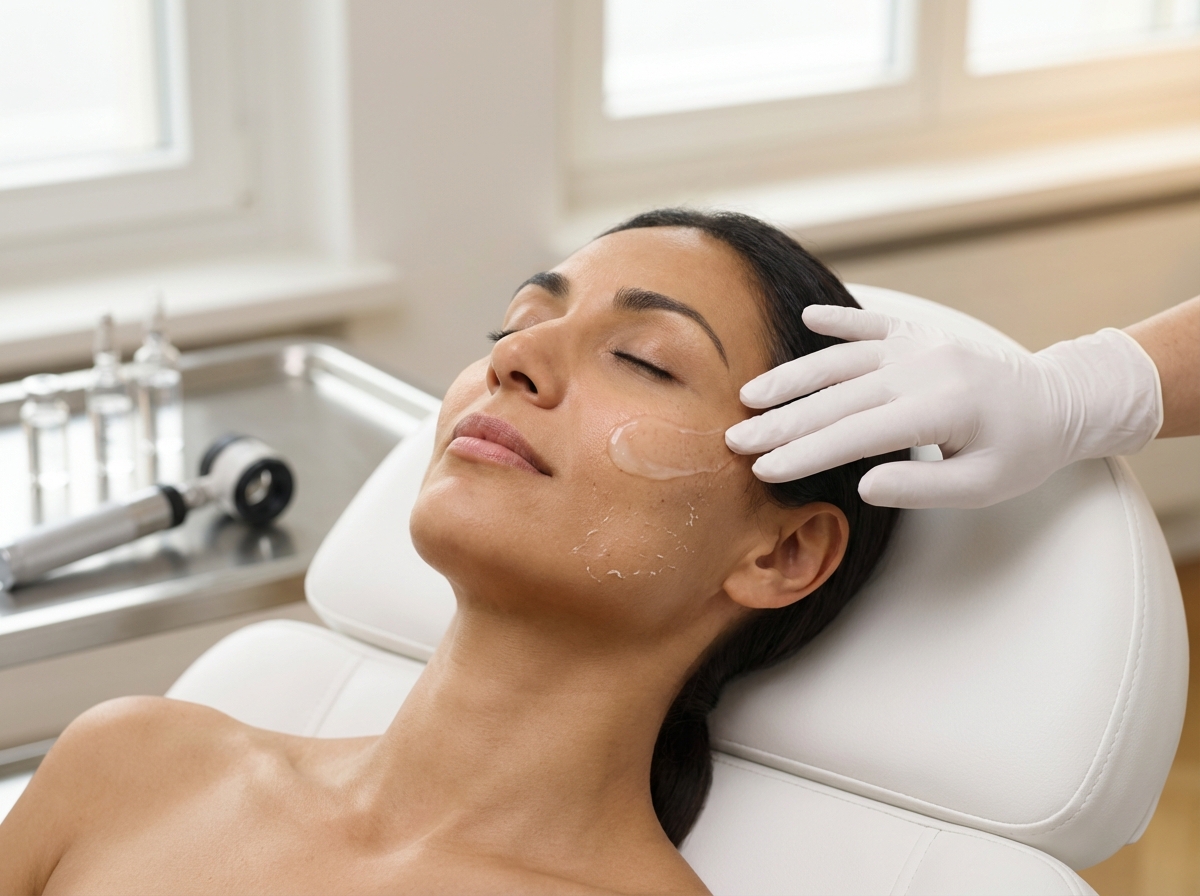
This is the active shedding phase. The tight layer begins to crack and peel off. It usually starts around the mouth and nose where you have the most muscle movement. Chemical peel recovery at this stage involves large flakes or sheets of skin coming off. The skin underneath will look pink and raw. It is crucial not to pull these flakes, as doing so can cause bleeding and permanent scarring.
Days 8 to 14
By day 8 or 9, the heavy peeling typically finishes. You are left with fresh, bright pink skin. This is the re-epithelialization phase. The skin is intact but very sensitive. The pinkness, known as erythema, is a sign of increased blood flow healing the area. You can usually return to social activities now, though you will still look flushed.
Weeks to Months
The visible drama is over, but the dermis is still remodeling. The redness fades gradually. For a medium peel, faint pinkness can persist for 4 to 8 weeks. This is when the collagen production ramps up, leading to the final tightening effect.
Variables Affecting Recovery
Not everyone heals at the same speed. Older patients often heal slower because their cellular turnover is naturally lower. If your clinician did multiple passes—applying layer over layer—the acid penetrated deeper, extending the peeling phase by a few days.
Your Fitzpatrick skin type matters immensely. Lighter skin (Types I-III) tends to tolerate the inflammation well. Darker skin (Types IV-VI) is much more reactive. The inflammation from the peel can trigger melanocytes to overproduce pigment as a defense mechanism.
Risks and Complications
While TCA is a standard treatment in 2025, it carries specific risks that increase with the depth of the peel.
Post-Inflammatory Hyperpigmentation (PIH)
This is the most common complication for darker skin tones. It manifests as dark brown patches appearing after the skin heals. Studies indicate an incidence rate of 20% to 30% in Fitzpatrick types IV-VI if not properly pre-treated with tyrosinase inhibitors like hydroquinone.
Hypopigmentation
This is the loss of color, leaving white spots. It is harder to treat than hyperpigmentation. It is a risk if the peel penetrates too deeply into the reticular dermis, effectively destroying the pigment-producing cells.
Infection
Bacterial or viral infections occur in less than 1% of cases when proper aftercare is followed. However, the stress of the peel can reactivate the herpes simplex virus (cold sores). If you have a history of cold sores, prophylactic antiviral medication is mandatory to prevent a breakout that could cause scarring across the treated area.
Scarring
Permanent scarring is rare, occurring in less than 0.5% of medium-depth peels performed by experts. It is almost always caused by infection or the patient picking at the skin before it is ready to shed.
Realistic Expectations and Course of Treatment
You need to plan your life around this treatment. For a medium-depth TCA peel, you cannot wear makeup for at least 7 to 10 days. Putting makeup on flaking skin looks terrible and can introduce bacteria to the healing tissue. Most people take a week off work or work from home. By day 10, you can usually cover the residual pinkness with a mineral-based foundation.
Do not expect to see the final result immediately after the peeling stops. The skin will look smoother and brighter after two weeks, but the structural benefits—like firmer skin and reduced wrinkle depth—stabilize over 3 to 6 months as new collagen matures.
Most patients require a series of 2 to 4 sessions for pigmentation and 3 to 6 sessions for acne scarring. While a single medium-depth TCA peel can produce visible improvements in skin brightness and texture, deep issues like melasma or ice-pick acne scars rarely resolve completely after one treatment. Sessions are typically spaced 4 to 8 weeks apart to allow for full recovery.
| Phase | Typical Duration | Visible Signs | Pain Level |
|---|---|---|---|
| Immediate | Day 0 | Frosting, Redness | Moderate Burning |
| Tightening | Days 1-3 | Bronzing, Swelling | Mild Discomfort |
| Shedding | Days 4-7 | Cracking, Peeling | Itchy, Sensitive |
| Healing | Days 8-14 | Pink, Fresh Skin | None (Sensitive) |
| Maturation | 1-3 Months | Fading Redness | None |
Understanding these stages helps reduce anxiety during the process. When your skin turns brown and starts cracking on day 4, you will know it is exactly what is supposed to happen.
Pre Treatment Planning and Post Peel Care Tips
Success with a medium-depth TCA peel relies heavily on what you do before you even step into the clinic. Preparation determines how evenly the acid penetrates and how safely your skin heals. Recovery is not passive. It is an active process where you protect your investment.
Preparing Your Skin for the Peel
Your provider will likely start a skin priming protocol two to four weeks before your appointment. This step is non-negotiable for patients with Fitzpatrick skin types IV through VI to prevent post-inflammatory hyperpigmentation. The goal is to calm the pigment-producing cells so they do not overreact to the trauma of the peel.
Common Pre-Treatment Protocols
Most clinicians prescribe a tyrosinase inhibitor. Hydroquinone 4% is the gold standard here. You apply this nightly for several weeks. Some providers might suggest non-hydroquinone alternatives like kojic acid or tranexamic acid if you cannot tolerate hydroquinone. You will also need to use a broad-spectrum sunscreen every single morning.
Managing Medications and History
Your medical history dictates your safety. If you have ever had a cold sore or herpes simplex virus (HSV), you must tell your provider. The stress of a chemical peel can trigger a severe outbreak that spreads over the treated area. Your doctor will prescribe an antiviral medication like valacyclovir to start one or two days before the peel and continue for a few days after.
Contraindications to Watch For
Certain conditions mean you must delay treatment. You cannot undergo a TCA peel if you are pregnant or breastfeeding. Active infections or open wounds on the face are immediate disqualifiers. If you have taken isotretinoin (Accutane) recently, you need to wait. The standard guidance requires a washout period of 6 to 12 months to avoid delayed healing or scarring.
The Final Week Before Treatment
Seven days before your appointment, stop using active exfoliants. This includes retinoids (Retin-A, retinol), alpha-hydroxy acids (glycolic, lactic), and beta-hydroxy acids (salicylic). You want your skin barrier intact and calm. Avoid waxing or bleaching hair in the treatment area during this week.
The First 72 Hours: The Inflammatory Phase
The immediate aftermath of a medium-depth peel feels like a severe sunburn. Your skin will look red and swollen. It will radiate heat.
Day 0 to Day 1
Do not wash your face for at least 6 to 8 hours after the procedure. Some providers prefer you wait until the next morning. When you do cleanse, use cool water and a gentle, non-foaming cleanser. Do not use a washcloth. Use your hands and splash the water. Pat dry with a clean towel. Do not rub.
Managing Discomfort
Apply a thick layer of an occlusive ointment. Plain petrolatum or a specific post-procedure balm provided by your doctor works best. This creates a seal that prevents water loss and protects the raw skin. You might feel stinging or throbbing. Over-the-counter pain relievers like acetaminophen can help. Sleep with your head elevated on two pillows to reduce swelling around the eyes.
Days 3 to 7: The Peeling Phase
This is the most visually difficult part of the process. Your skin will darken and feel tight. It might look like brown leather or crinkled paper.
Handling the Shedding
The skin will crack and begin to peel. It usually starts around the mouth and nose. It then moves outward toward the hairline. Chemical peel recovery generally takes 1-2 weeks, and days 3 and 4 are often the peak of visible shedding.
The Golden Rule
Do not pick, pull, or rub the peeling skin. Let it fall off naturally. Pulling skin that is not ready to detach can cause bleeding and permanent scarring. If a piece of skin is hanging and bothering you, carefully trim it with sterilized scissors without pulling.
Cleansing and Hydrating
Continue gentle cleansing twice a day. Keep the skin constantly moist with your ointment or a heavy moisturizer. Dry skin itches more and heals slower. If the itching becomes intense, oral antihistamines like diphenhydramine can provide relief at night.
Days 7 to 14: Re-epithelialization
By the end of the first week, most of the heavy peeling should finish. You will see fresh, pink skin underneath. This new skin is incredibly delicate.
Transitioning Skincare
You can switch from heavy ointments to a lighter, barrier-repairing moisturizer. Look for ingredients like ceramides and hyaluronic acid. You can typically start wearing mineral-based makeup around day 10 or when the skin is fully healed and no longer broken. Avoid liquid foundations with heavy fragrances.
Sun Protection is Critical
Your new skin has no protection against UV rays. Sun exposure now can cause rapid and lasting hyperpigmentation. You must stay out of direct sun. If you go outside, wear a wide-brimmed hat and apply a physical sunscreen containing zinc oxide or titanium dioxide. Chemical sunscreens might sting sensitive new skin.
Recommended Products and Ingredients
Using the wrong product during recovery can cause chemical burns or contact dermatitis. Stick to bland and boring products.
| Category | Safe to Use | Avoid Until Fully Healed |
|---|---|---|
| Cleansers | Creamy, non-foaming, fragrance-free (e.g., Cetaphil, CeraVe) | Acid cleansers, scrubs, exfoliating brushes, washcloths |
| Moisturizers | Petrolatum, dimethicone, ceramides, shea butter | Anti-aging creams, highly fragranced lotions |
| Actives | None initially; Hyaluronic acid (after day 3-4) | Retinoids, Vitamin C, Glycolic acid, Benzoyl peroxide |
| Sunscreen | Mineral SPF 30+ (Zinc/Titanium) | Chemical filters (Avobenzone, Oxybenzone) |
Practical Recovery Tips
Work and Social Life
Plan for social downtime. Most people feel comfortable returning to public activities after 7 to 10 days. If your job requires video calls, you might be able to return sooner, but visible peeling is hard to hide.
Exercise and Heat
Avoid heavy exercise, saunas, and hot showers for the first week. Sweat can get trapped under the peeling skin and cause blisters or irritation. Heat also increases swelling and redness. Keep your environment cool.
Travel Considerations
Do not plan a beach vacation immediately after a peel. Air travel can also be drying. If you must fly, keep your skin heavily moisturized and hydrated.
Red Flags: When to Call Your Provider
While recovery is uncomfortable, it should follow a predictable path. Contact your doctor immediately if you notice specific warning signs.
- Fever or Chills: A temperature over 100.4°F can indicate a systemic infection.
- Increasing Pain: Pain should decrease after the first day. If it gets worse after day 3, this is abnormal.
- Oozing or Crusts: Yellow or green discharge, or honey-colored crusts, often signal a bacterial infection.
- Cold Sores: A cluster of painful blisters requires immediate antiviral treatment to prevent scarring.
- Persistent Redness: If redness gets darker or spreads in streaks, seek evaluation.
Long-Term Maintenance
Once healing is complete, usually after four to six weeks, you can resume your regular skincare routine. This is the time to reintroduce retinoids and antioxidants. These products help maintain the collagen stimulation started by the TCA peel. For patients with melasma or hyperpigmentation, returning to a tyrosinase inhibitor is often recommended to prevent pigment from returning.
Consistent sun protection remains the single most effective way to prolong your results. A medium-depth TCA peel clears years of damage, but the sun can undo that work in a single summer. Treat your fresh skin with care to ensure the rejuvenation lasts.
Frequently Asked Questions
Even with a solid plan in place, the recovery phase often brings up specific, practical worries. Patients frequently find themselves staring at a mirror on day three, wondering if what they are seeing is normal. This section addresses specific concerns regarding makeup, combinations, and specific skin conditions.
How soon can I wear makeup?
You generally need to wait 7 to 14 days before applying makeup. The rule of thumb is that you should not apply any cosmetic products until the peeling has completely finished and the skin is no longer raw or broken. Applying foundation or powder to skin that is actively shedding or oozing creates a high risk of infection and can result in an uneven, patchy application that highlights the peeling rather than hiding it.
Once the skin has re-epithelialized (healed over), switch to mineral-based makeup for the first few weeks. Mineral products are less likely to harbor bacteria or irritate the sensitive, new skin. Avoid heavy liquid foundations or waterproof formulas that require aggressive scrubbing to remove, as your skin barrier will still be fragile.
Can I combine TCA with lasers, microneedling, or other peels?
You can combine TCA with other modalities, but usually not in the same session unless the peel is very superficial. For medium-depth TCA peels, most dermatologists recommend waiting until the skin has fully recovered before introducing another trauma. This typically means waiting 4 to 6 weeks before undergoing microneedling or laser treatments.
Some advanced protocols involve alternating treatments. For example, a patient might do a microneedling session to break up scar tissue, followed by a TCA peel 6 weeks later to address the surface texture. Combining these treatments can accelerate results for acne scarring and deep pigmentation, but stacking them too closely increases the risk of prolonged redness and barrier damage.
Are TCA peels appropriate for melasma and what are the alternatives?
TCA peels can be effective for melasma, but they carry a risk of rebound hyperpigmentation. Melasma is driven by heat and inflammation, and because TCA causes inflammation, it can sometimes make the condition worse in susceptible individuals. Dermatologists often use lower concentrations of TCA combined with other lightening agents like lactic acid or kojic acid for melasma patients.
If your melasma is unstable or heat-sensitive, alternatives might be safer. Chemical peels specifically formulated for pigment, such as Cosmelan or Dermamelan, are often preferred. Low-energy laser treatments or microneedling with depigmenting serums are other options that generate less heat. Always consult a board-certified dermatologist to determine if your melasma type can tolerate a TCA peel.
What sunscreen should I use after a peel?
You should use a broad-spectrum mineral sunscreen with an SPF of 50 or higher. Mineral formulas containing zinc oxide or titanium dioxide are preferred because they sit on top of the skin to reflect UV rays and are less likely to cause stinging or irritation compared to chemical filters. Your skin will be incredibly photosensitive, and even brief sun exposure can cause significant hyperpigmentation.
Apply sunscreen every morning once the skin has healed enough to tolerate it (usually after the peeling phase ends), even if you are staying indoors. Windows do not block UVA rays. Wear a wide-brimmed hat if you must go outside. Avoid direct sun exposure completely for at least two weeks, and be vigilant for up to three months as the new collagen matures.
Final Takeaways and Next Steps
We have covered the science, the daily recovery logs, and the specific questions that usually keep patients up at night. Now it is time to synthesize this information into a concrete plan. A TCA peel is not a casual spa treatment. It is a controlled medical procedure that forces your skin to regenerate. The results can be impressive, but they depend entirely on how well you prepare, how you heal, and who holds the acid.
If you take nothing else from this guide, remember that patience is your most valuable tool. In a beauty culture that often promises instant gratification, a TCA peel requires you to accept a period of looking worse before you look better. The “ugly duckling” phase is real. It is also temporary. Understanding the trajectory of your recovery prevents panic when you see that first sheet of skin start to lift.
Summary of the Recovery Course
You need to be realistic about your social calendar. While marketing brochures might suggest a “quick recovery,” biology has its own timeline. For a standard medium-depth TCA peel, you are looking at a solid week of downtime. This does not mean you are bedridden, but you will likely not want to attend a dinner party or a client meeting.
Do Not Pick the Skin
This is the single most important safety rule. When the skin begins to flake around day three, the urge to pull it off will be overwhelming. Resist it. Pulling skin that is not ready to detach can cause bleeding and permanent scarring. You must let the skin slough off naturally while keeping it hydrated.
Sun Protection is Non-Negotiable
Your fresh skin has no defense mechanism. It is raw and vulnerable. Direct sun exposure during the first two weeks can lead to severe hyperpigmentation, essentially reversing the benefits of the peel. You need a broad-spectrum physical sunscreen (zinc or titanium dioxide) with SPF 50+. If you cannot commit to avoiding the sun, you should not get a TCA peel.
How to Choose a Qualified Clinician
The success of your peel is largely determined by the hand applying it. In the United States, regulations vary by state regarding who can administer chemical peels. Just because a spa offers it does not mean they are equipped to handle complications.
Seek Board Certification
For any peel that goes beyond the superficial layer (anything above 15-20% TCA), you should see a board-certified dermatologist or a plastic surgeon. These professionals understand the physiology of the skin and, more importantly, can prescribe medication instantly if an infection or reaction occurs.
Questions to Ask During Consultation
Do not be afraid to interview your provider. A reputable clinician will respect your diligence. Ask these specific questions:
- “What is your experience treating my specific skin type (Fitzpatrick scale)?”
- “Do you precondition the skin with hydroquinone or retinoids before the peel?” (The answer should often be yes for medium peels).
- “How do you manage complications like frosting that goes too deep or unexpected hyperpigmentation?”
- “Can I see before and after photos of your actual patients, not stock photography?”
Red Flags to Watch For
If a provider dismisses the risks, guarantees zero downtime for a medium peel, or does not ask about your history of cold sores (HSV), walk away. Medium peels do require a little downtime, and honesty about this is a sign of a good practitioner.
Maintenance and Long-Term Care
Once the peeling stops and the glow appears, the work is not over. You have just invested time and money into resetting your skin. Protect that investment.
The First Month
Keep your skincare simple. Use a gentle, non-foaming cleanser and a heavy moisturizer. Avoid exfoliating acids (AHAs, BHAs) and scrubs for at least 4 weeks. Your skin barrier is rebuilding. It generally takes 3-4 days for the skin to be ready to slough, but full collagen remodeling takes months.
Reintroducing Actives
You can typically restart retinoids or tretinoin after 4 weeks, once skin sensitivity has resolved. This helps maintain the collagen stimulation initiated by the peel. If you struggle with pigmentation, your doctor may recommend continuing a tyrosinase inhibitor to prevent dark spots from returning.
Annual Maintenance
Many patients find that one medium-depth TCA peel per year is sufficient to maintain results, perhaps supplemented by lighter superficial peels or microneedling sessions throughout the year. Listen to your skin. Over-exfoliation can lead to chronic inflammation, which accelerates aging—the exact opposite of your goal.
Final Thoughts
A TCA peel is a journey of controlled damage and calculated recovery. It remains one of the most effective methods for skin rejuvenation available in 2025 because it leverages the body’s own healing capability. The week of social downtime is a small price to pay for the removal of years of sun damage and the restoration of a smoother texture.
Do not rely on internet advice alone for medical decisions. Your skin is unique. Schedule a consultation with a board-certified specialist to assess your skin’s condition and determine if a TCA peel is the right step for you. Prioritize safety, respect the recovery process, and enjoy the fresh start for your skin.
Sources
- Trichloroacetic Acid Peel Broward FL – TCA Peel Doral FL — Medium peels do require a little downtime, typically about a week. Deep peels require you to spend at least two weeks recovering. How Often Can I Get a TCA …
- After TCA Peel | What to Expect | Flaking | Discoloration | Healing — It generally takes 3-4 days for the skin to be ready to slough. You may notice a tight, papery like texture with crinkles when you move your face.
- 8 After Care TCA Peel Rituals You Must Follow For Maximizing … — The depth of the TCA peel and individual skin characteristics influence the recovery timeline … Proper hydration plays a crucial role in the post-TCA peel …
- Chemical Peel Recovery: Breakdown of the Day-By-Day Process — After your chemical peel, you will be in recovery for 1-2 weeks, with days 3 and 4 being the worst in terms of peeling.
- How Long Does It Really Take for a Chemical Peel to Heal? — Recovery time for these peels is longer than for light ones, typically lasting around 7 to 10 days. During this time, patients will experience visible peeling, …
- Chemical Peel Process Day by Day: 7 Power Steps to Thriving — For lighter peels, expect around one week for the flaking and peeling to subside. Medium to deep peels might take up to two weeks for the swelling to decrease, …
- Chemical Peel Aftercare and Healing Timeline, American Dermatology — Day 1-2: Your skin may appear red, tight, and slightly swollen, like a mild sunburn. · Day 3-5: Peeling and flaking begin as your skin sheds dead …
- Post-TCA Chemical Reconstruction of Scar: Aftercare and Recovery … — Do not wash your face for at least 6 hours post-treatment. This waiting period allows the skin to start the healing process without disrupting the freshly …
- TCA Peel: Preparation, Procedure, and Recovery — Typically, the results start to show within a week, with full benefits visible over the next few weeks as your skin continues to heal and …
Legal Disclaimers & Brand Notices
Vampire Facial® and Vampire Facelift® are registered trademarks of Charles Runels, MD. The specific procedures described in this article are generic representations of platelet-rich plasma (PRP) treatments and are not affiliated with, endorsed by, or certified by the trademark owner.
The content provided in this article is for informational purposes only and does not constitute medical advice, diagnosis, or treatment. Always seek the advice of a qualified physician or other licensed healthcare provider with any questions you may have regarding a medical condition or specific aesthetic procedure. Never disregard professional medical advice or delay in seeking it because of something you have read in this article.
All product names, logos, and brands are the property of their respective owners. All company, product, and service names used in this text are for identification purposes only. Use of these names, logos, and brands does not imply endorsement.