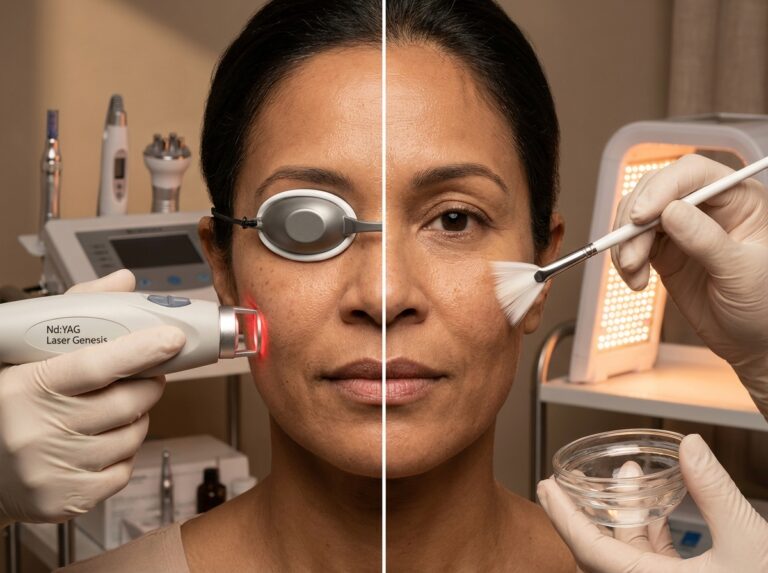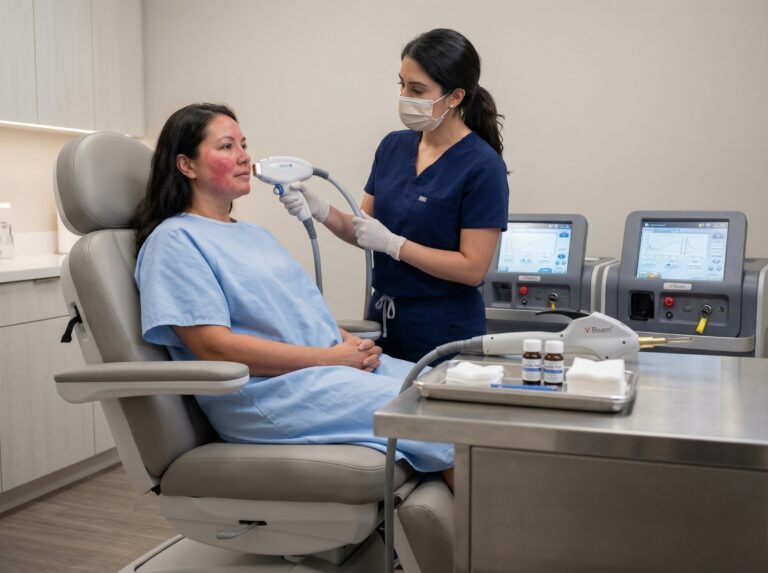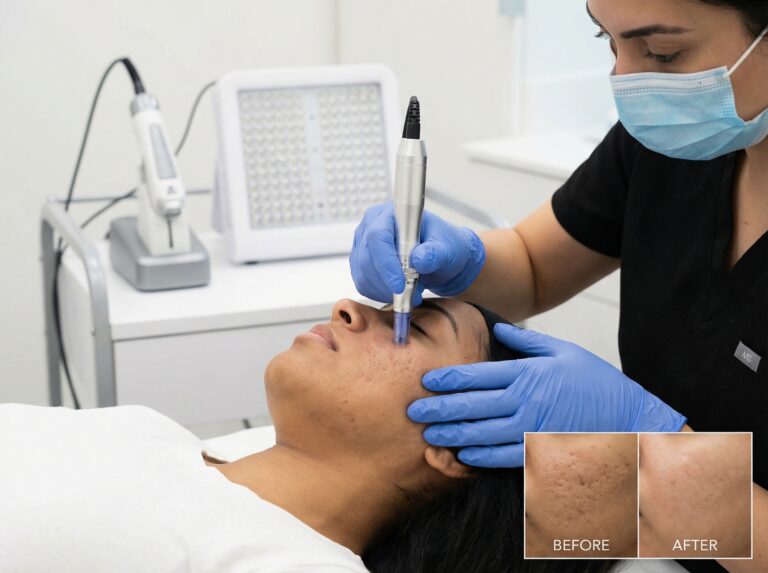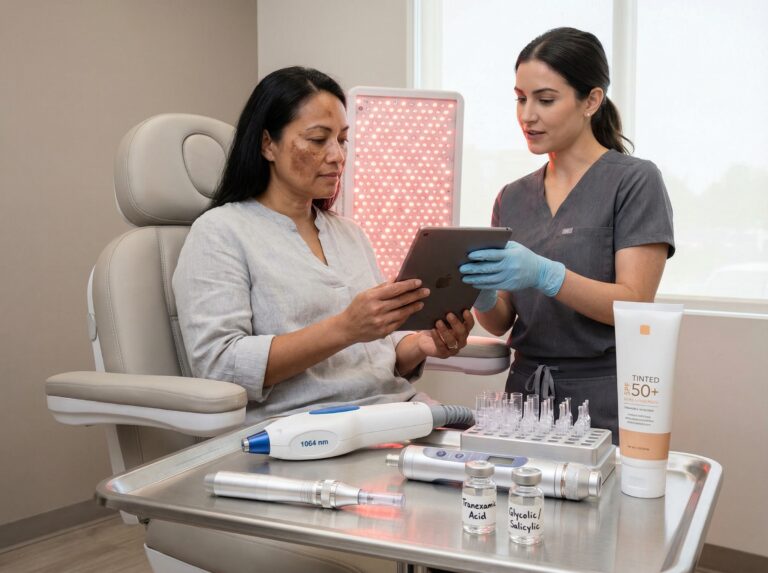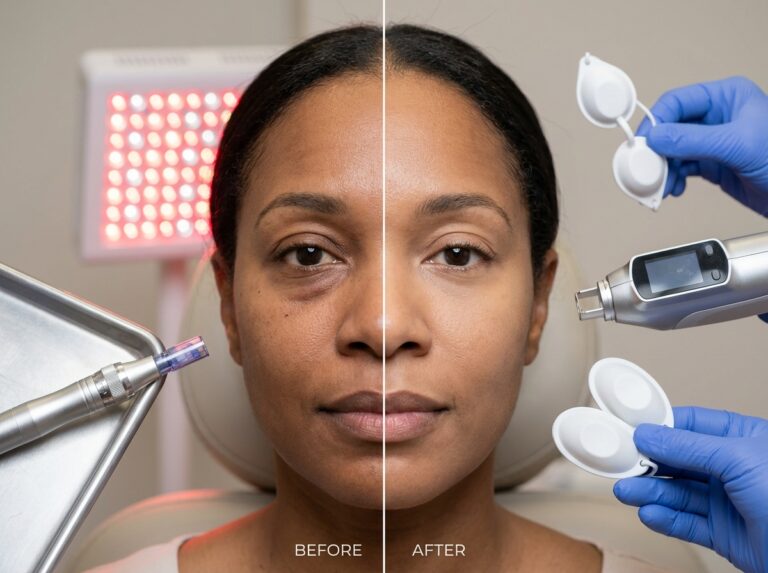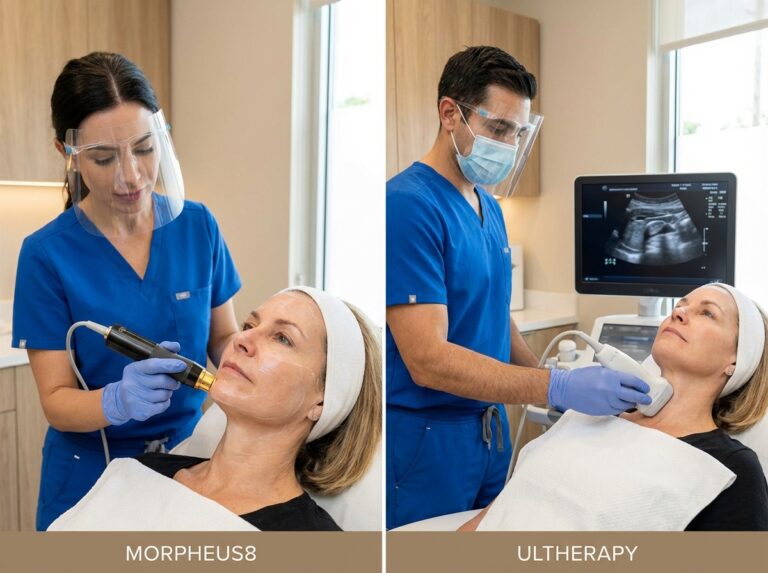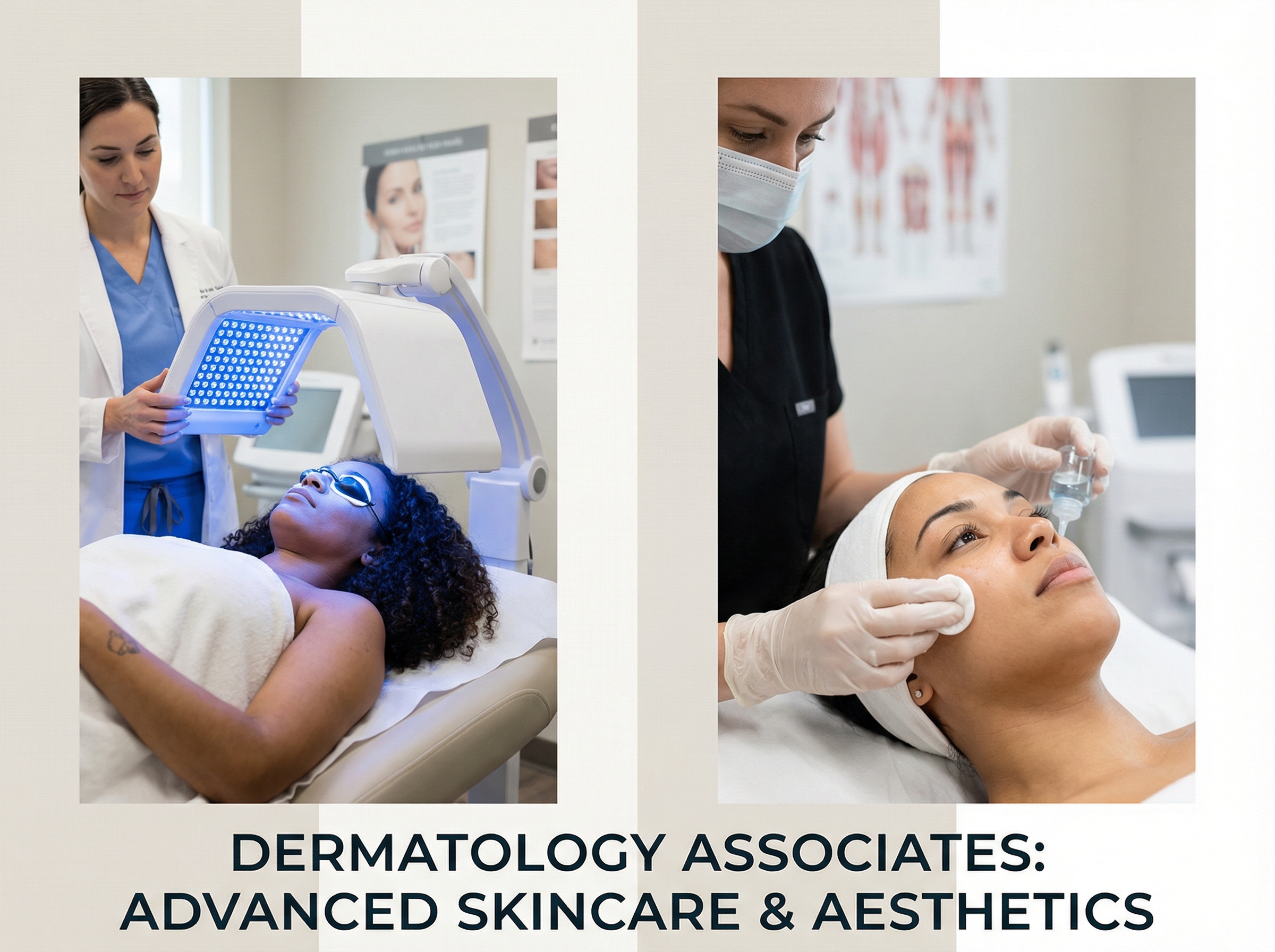
Non-invasive skin rejuvenation offers acne sufferers effective, low‑downtime options. This article focuses on blue light therapy and salicylic acid peels — how they work, who benefits, typical treatment plans, expected results and safety concerns — and explains how to combine them with microneedling, laser facials, RF and LED for optimized outcomes.
Understanding active acne and treatment goals
Acne is not just a hygiene issue or a teenage phase. It is a chronic inflammatory disease that affects 50 million Americans. Before we select a treatment protocol involving blue light or salicylic acid, we must understand the biological wreck happening inside the pore. You cannot effectively treat what you do not understand.
The pathophysiology of the pore
Active acne stems from four distinct factors crashing into each other. If your treatment plan does not address at least two of these, it will likely fail.
Follicular hyperkeratinization
This is a retention issue. Dead skin cells inside the follicle do not shed properly. They become sticky and clump together. This creates a plug at the opening of the pore. We call this a microcomedone. It is the invisible precursor to every visible lesion.
Sebum overproduction
Androgens drive the sebaceous glands to produce excess oil. This oil gets trapped behind the plug of dead skin cells. It creates a nutrient-rich environment for bacteria.
Cutibacterium acnes proliferation
We formerly called this Propionibacterium acnes. This bacteria lives on everyone, but it thrives in the oxygen-deprived, oily environment of a clogged pore. It feeds on the sebum and multiplies rapidly.
Inflammation
The body recognizes the bacterial overgrowth as a threat. It sends white blood cells to attack. This immune response causes the redness, swelling, and pus we see clinically. The pressure can rupture the follicle wall and spread inflammation deeper into the dermis.
Defining success beyond clearance
Patients usually just want the pimples gone. Your clinical goals must be more specific to ensure long-term satisfaction and safety.
Reduction of inflammatory lesions
The primary goal is to calm the red, painful papules and pustules. This prevents the follicular rupture that leads to deep tissue damage.
Prevention of scarring
Every active lesion carries a risk of permanent textural change. Controlling inflammation quickly is the only way to mitigate this risk.
Management of PIH
Post-inflammatory hyperpigmentation is often more distressing than the acne itself, especially in darker skin tones. Treatment must not create more inflammation that worsens this pigment response.
Texture improvement
We want to normalize the skin surface. This means smoothing out the roughness caused by microcomedones and resolving the post-acne erythema.
Patient selection and safety
Not every patient is a candidate for every device. You must profile the patient before turning on a laser or applying a peel.
Acne severity
Non-invasive tools like blue light and superficial peels work best for mild to moderate inflammatory acne. Severe nodulocystic acne usually involves deep dermal destruction. These cases often require systemic intervention to prevent permanent disfigurement.
Skin type considerations
Fitzpatrick skin types I through III generally tolerate heat and acids well. Types IV through VI require extreme caution. Aggressive peels or heat-based devices can trigger a pigment response that lasts for months. Blue light therapy is generally safe for all skin tones because it does not rely on heat.
Medication history
Ask about isotretinoin use. Patients currently on this medication or those who have used it in the last six months have compromised healing. Their skin is fragile. Most energy devices and chemical peels are contraindicated. You must also check for photosensitizing medications like doxycycline if you plan to use light therapy.
The role of non-invasive modalities
We have moved past the era where oral antibiotics were the only option. We now have a robust toolbox of physical modalities that can serve as primary or adjunctive treatments.
Blue light and LED
This is a cornerstone for inflammatory acne. Researchers from Mass General Brigham found red and/or blue light devices were effective in treating mild-to-moderate acne. The blue wavelength targets the porphyrins produced by C. acnes. This creates an oxidative reaction that kills the bacteria without harming the skin. It is an excellent option for pregnant patients who cannot use retinoids or tetracyclines.
Chemical peels
Salicylic acid is lipophilic. It loves oil. It can dive into the pore to dissolve the sebum and break up the keratin plug. This addresses the non-inflammatory component of acne that light therapy might miss.
Microneedling and RF
These are generally reserved for the aftermath of acne rather than active flares. Needling through active pustules can spread bacteria. However, radiofrequency can help shrink sebaceous glands over time. You must use these with caution.
Clinical decision making
Knowing when to combine treatments and when to refer out is what separates a technician from a specialist.
Sequencing treatments
Do not throw everything at the skin at once. A compromised barrier leads to more inflammation. A common protocol involves stabilizing the skin with blue light to reduce bacterial load before introducing chemical exfoliation. This reduces the risk of a purge or irritation.
Escalation to systemic therapy
Non-invasive tools have limits. If a patient shows signs of scarring, deep nodules, or fails to respond to combination therapy after three months, it is time to escalate. Oral antibiotics, hormonal therapy like spironolactone, or isotretinoin may be necessary. Delaying this referral serves the patient poorly.
Adherence and expectations
Patients need to know that non-invasive treatments are not a cure. They are management tools. A series of treatments is always required. One session of blue light will not clear acne. Setting this expectation upfront prevents dropout and dissatisfaction.
Blue light therapy for acne
Blue light therapy has moved from a niche dermatological procedure to a standard recommendation for managing inflammatory acne. While the previous section outlined how *Cutibacterium acnes* (formerly *P. acnes*) drives inflammation, this modality directly targets that bacterial overgrowth without systemic antibiotics. It offers a non-chemical approach to reducing the bacterial load inside the pore, making it a critical tool for patients who cannot tolerate oral medications or want to avoid antibiotic resistance.
Mechanism of Action: How Blue Light Kills Bacteria
The science relies on the specific sensitivity of *C. acnes* bacteria to light in the violet-blue spectrum, specifically between 400 and 470 nm. These bacteria naturally produce porphyrins as part of their metabolic process. When blue light hits these porphyrins, it causes a photo-excitation reaction.
This reaction produces singlet oxygen and other reactive oxygen species (ROS) within the bacteria. Essentially, the light causes the bacteria to self-destruct from the inside out by oxidizing their cellular structures. This process is highly specific; it damages the bacterial cell wall without harming the surrounding human skin cells.
Wavelength Specificity
Clinical data suggests that 415 nm is the peak absorption wavelength for bacterial porphyrins. However, many devices operate in the broader 400–470 nm range. While blue light handles the bacteria, it does not penetrate deeply enough to significantly impact the sebaceous glands themselves or repair scarring. This is why modern protocols often combine blue light with red light (around 633 nm). Red light penetrates deeper to reduce inflammation and stimulate collagen, helping the skin heal faster after a breakout.
Efficacy and Real-World Results
Expectations need to be managed regarding what light can do. It is rarely a cure-all for severe cystic acne when used alone, but the data for mild-to-moderate inflammatory acne is strong.
A systematic review and meta-analysis published in At-Home LED Devices for the Treatment of Acne Vulgaris (JAMA Dermatology, March 2025) analyzed data from 216 participants across six randomized clinical trials. The researchers, led by Dr. John Barbieri, found that at-home LED devices resulted in approximately a 45% improvement in acne lesions compared to control conditions.
Key Performance Metrics
Clinical studies indicate that consistent treatment can yield a 58% to 73% reduction in inflammatory lesions after a course of 10 sessions. It is important to note that blue light is most effective on red, inflamed papules and pustules. It is less effective for non-inflammatory comedones (blackheads and whiteheads) unless combined with keratolytic agents like the salicylic acid peels discussed in the next section.
Device Types: Home vs. In-Office
The market is split between lower-power home units and high-intensity clinical systems. Understanding the difference is vital for patient safety and result tracking.
| Feature | At-Home Devices (FDA-Cleared Class II) | In-Office Systems / PDT |
|---|---|---|
| Power Output | Low intensity (requires longer/more frequent use) | High intensity (large panels or targeted probes) |
| Frequency | Daily or 3-5 times per week | 1-2 times per week for 4-8 weeks |
| Add-ons | Usually standalone light | Often used with photosensitizers (Levulan) for PDT |
| Downtime | None | Significant peeling and redness if PDT is used |
Photodynamic Therapy (PDT)
In a clinical setting, dermatologists may perform PDT. This involves applying a topical photosensitizer (like aminolevulinic acid) and letting it incubate on the skin for 30 to 90 minutes before light exposure. This makes the bacteria and oil glands hypersensitive to the light. While highly effective for resistant acne, it causes redness, peeling, and light sensitivity for 48 hours post-procedure.
Treatment Protocols and Safety
For standard blue light therapy (non-PDT), safety profiles are excellent across all skin tones (Fitzpatrick I–VI). Because the mechanism is non-thermal and does not target melanin, there is minimal risk of hyperpigmentation, making it safer than many lasers for darker skin tones.
Typical Protocol
- Cleanse: Skin must be free of makeup and sunscreen. Light cannot penetrate thick creams.
- Eye Protection: Opaque goggles are mandatory. Blue light can be toxic to the retina with prolonged direct exposure.
- Duration: In-office sessions last 15–30 minutes. Home devices vary from 3 to 20 minutes depending on irradiance.
- Course: A typical in-office series is 8 sessions over 4 weeks. Maintenance is required monthly.
Adverse Effects
Side effects are generally mild. Patients may experience transient erythema (redness) that resolves within 30 minutes. Some report mild dryness or a “tight” feeling. Rare adverse events include burns if a device is faulty or held too close for too long, though this is uncommon with LEDs which emit little heat.
Contraindications and Interactions
While safe, blue light is not for everyone.
Photosensitizing Medications
Patients taking oral isotretinoin (Accutane) should avoid light therapy due to extreme skin fragility and photosensitivity. Wait at least six months after stopping isotretinoin. Similarly, caution is needed with doxycycline or tetracycline antibiotics, which increase sun sensitivity.
Pregnancy Considerations
Blue light is generally considered safe during pregnancy. Since it is non-systemic and involves no UV radiation, many providers consider it a preferred alternative to oral acne medications during gestation. However, patients should always clear any new treatment with their OB-GYN.
Topical Sequencing
Do not apply retinoids (tretinoin, adapalene) or benzoyl peroxide immediately before a light session. These can cause irritation or degrade under strong light.
- Morning: Cleanse, Blue Light Session, Vitamin C, SPF.
- Evening: Cleanse, Retinoid/Active, Moisturizer.
Cost and Timeline
Improvement is not immediate. Patients typically notice a reduction in active breakouts after 3 to 4 weeks of consistent use. Full results are often seen at the 8 to 12-week mark.
In-office treatments range from $50 to $150 per session, often sold in packages. At-home FDA-cleared masks range from $150 to $500. While the upfront cost of a home device is higher, it offers better long-term value for maintenance. Insurance coverage is rarely available for blue light therapy, as most plans classify it as a cosmetic procedure.
Monitoring and Red Flags
Objective monitoring is crucial to determine if the therapy is working. Standardized photos should be taken every 4 weeks. If no improvement is seen after 8 weeks, or if the patient develops nodulocystic lesions, reassessment is necessary. Blue light cannot penetrate deep cysts effectively.
When to Refer Back to a Dermatologist
- Sudden increase in inflammatory lesions despite compliance.
- Signs of infection (crusting, weeping, excessive heat).
- Development of scarring (ice pick or boxcar scars) which light alone cannot remedy.
While blue light addresses the bacterial component of acne, it does not fully address the hyperkeratinization (clogged pores) that starts the cycle. To manage the physical blockages within the follicle, chemical exfoliation becomes the necessary partner in this protocol.
Salicylic acid peels for acne management
While blue light therapy targets the bacterial component of acne, salicylic acid (BHA) peels address the physical blockages and inflammation that keep the cycle going. This chapter focuses on the clinical application of salicylic acid chemical peels, a standard intervention for comedonal and inflammatory acne.
Mechanism of Action and Formulations
Salicylic acid is a beta-hydroxy acid. Its defining characteristic is that it is lipophilic, meaning it is attracted to oil. Unlike alpha-hydroxy acids (AHAs) like glycolic acid which are water-soluble and work mostly on the surface, salicylic acid penetrates through the sebum in the hair follicle.
Once inside the pore, it performs three distinct actions. First, it is keratolytic. It dissolves the intercellular cement holding dead skin cells together. Second, it is comedolytic. It breaks down the impaction of oil and keratin that forms blackheads and whiteheads. Third, it has anti-inflammatory properties related to its chemical structure, which is similar to aspirin. This helps reduce the redness and swelling associated with active lesions.
Clinical Concentrations and pH
In a professional setting, salicylic acid peels typically range from 20% to 30% concentration. The carrier solvent is usually ethanol. The pH of these solutions is generally low, often between 2.0 and 3.0, to ensure the free acid is available to penetrate the skin. Some newer formulations use polyethylene glycol as a solvent to reduce the “sting” and control absorption, but ethanol-based solutions remain the gold standard for oily, acne-prone skin.
Treatment Protocol and Application
The success of a salicylic peel depends heavily on skin preparation. The goal is to remove all surface oils so the acid can penetrate evenly.
Step-by-Step Procedure
The skin is cleansed and then degreased thoroughly using acetone or rubbing alcohol. This step is often the most pungent part of the procedure but is necessary for an even result. Sensitive areas like the corners of the eyes, nose, and lips are protected with petrolatum.
The provider applies the solution using gauze or a fan brush. Patients typically feel a rapid increase in heat and a prickly, stinging sensation. This peaks within one to three minutes.
Neutralization and Endpoints
Salicylic acid is unique because it is often self-neutralizing. As the solvent evaporates, the acid crystallizes on the surface of the skin. This forms a white, powdery residue known as a “pseudofrost.” This is different from the true protein coagulation frost seen in deeper peels. Once the solvent has evaporated and the crystals form, the acid stops penetrating. The residue is then rinsed off with water or a gentle cleanser.
Schedules and Expected Outcomes
A single peel can dry out active pustules, but long-term control requires a series. The typical protocol involves a series of 3 to 6 treatments spaced 2 to 4 weeks apart.
Indications
This treatment is best suited for:
- Comedonal acne (blackheads and whiteheads)
- Mild to moderate inflammatory acne (papules and pustules)
- Excessively oily skin
- Post-inflammatory hyperpigmentation (PIH)
- Rough skin texture
Timeline of Results
Patients often notice a drying effect on active lesions the next day. The skin may feel tight and look slightly bronzed. Actual peeling usually starts on day two or three and lasts for a few days. Significant improvement in texture and a reduction in breakout frequency are typically visible after the second or third session.
Safety, Complications, and Contraindications
Salicylic acid is generally safe, but side effects occur. Transient erythema (redness) and dryness are expected. In darker skin tones (Fitzpatrick IV-VI), there is a risk of post-inflammatory hyperpigmentation if the peel causes too much inflammation. To minimize this, providers may start with a lower concentration or limit the number of layers applied.
Contraindications
Do not use salicylic peels on patients with an allergy to aspirin (salicylates). High-concentration salicylic treatments are typically avoided during pregnancy due to theoretical risks of systemic absorption and the chemical relationship to aspirin; most dermatologists prefer glycolic or lactic acid peels for pregnant patients. Patients on isotretinoin (Accutane) should generally wait 6 to 12 months after finishing their course before attempting chemical peels, though some dermatologists may approve superficial peels sooner under strict supervision.
Pre-Treatment Precautions
Patients should stop using retinoids (like tretinoin or retinol) and strong acids 3 to 5 days before a salicylic peel. Failure to do so can result in excessive penetration, “hot spots,” or chemical burns.
Comparison: Salicylic vs. Glycolic vs. Jessner
Selecting the right peeling agent depends on the primary skin concern.
| Peel Type | Primary Target | Best For |
|---|---|---|
| Salicylic Acid (BHA) | Oil glands, pores | Active acne, oily skin, comedones |
| Glycolic Acid (AHA) | Surface exfoliation | Aging, dullness, minor surface acne |
| Jessner’s Solution | Combination (SA, Lactic, Resorcinol) | Mixed acne, pigmentation, cystic acne |
Salicylic acid is superior for active, inflamed acne due to its ability to penetrate oil. Glycolic acid is better for patients whose primary concern is aging with only occasional breakouts. Jessner’s solution is a powerful alternative for those who need stronger exfoliation and have resilient skin.
Combining Peels with Devices
Integrating chemical peels with energy-based devices requires careful sequencing to avoid adverse events like burns or hyperpigmentation.
Blue Light and LED
Blue light therapy is non-thermal and non-invasive. It can be safely combined with salicylic peels. The most common protocol is to perform the blue light session first on clean skin, followed by the peel. If the peel is applied first, the skin may be too sensitive for the bright light immediately after, or the light device might press against sensitive, treated skin. Alternating weeks is also a safe and effective strategy.
Microneedling and Lasers
Do not combine salicylic peels with microneedling or ablative lasers in the same session. The barrier compromise from microneedling allows the acid to penetrate too deeply, risking chemical burns and scarring. Wait at least 2 weeks between a peel and a microneedling session. For non-ablative lasers, the wait time is typically 1 to 2 weeks, depending on skin recovery.
Aftercare and Cost
Post-treatment care focuses on barrier repair and protection. Patients must use a broad-spectrum sunscreen daily, as the fresh skin is highly susceptible to UV damage. Moisturizers with ceramides or hyaluronic acid help manage the peeling phase. Active ingredients like retinoids, benzoyl peroxide, or other acids should be paused for 3 to 5 days post-peel until the skin sensitivity resolves.
Patients should expect “social downtime.” Visible flaking or peeling typically starts around day two or three and can last up to a week. It is critical not to pick at this flaking skin, as doing so can lead to PIH (dark spots) and potential scarring.
The cost for a professional salicylic acid peel in the US typically ranges from $150 to $300 per session. Packages for a series of treatments often reduce the per-session cost.
Evidence from clinical trials supports the efficacy of salicylic acid peels in reducing both inflammatory and non-inflammatory acne lesions. When used correctly, they offer a reliable, moderate-downtime option for skin rejuvenation and acne management.
Putting it together recommendations and final considerations
You have the background on how these mechanisms work and the answers to common patient concerns. Now we need to build a concrete strategy. Treating acne effectively requires consistency rather than random attempts at different products. We need to match the protocol to the specific type of acne while keeping safety in the foreground.
Protocol 1: Mild Inflammatory Acne
This profile includes red papules and occasional pustules but minimal deep cysts. The primary goal is reducing the Cutibacterium acnes bacteria and calming inflammation.
The Approach
Blue light therapy is the foundation here. As noted in the Mass General Brigham meta-analysis (March 2025), home LED devices are effective for this severity level.
- Morning: Gentle cleanser followed by a lightweight moisturizer and SPF.
- Evening: Cleanse skin thoroughly. Use a blue light device (415 nm) for the manufacturer-recommended time. This is usually 3 to 10 minutes. Follow with a gel-based moisturizer.
- Frequency: Use the LED device 3 to 4 times a week. Consistency is vital as bacteria repopulate quickly.
- Adjunct: A spot treatment with 2% salicylic acid can be used on individual lesions, but avoid applying it all over the face right before light therapy to prevent dryness.
Protocol 2: Comedonal and Oily Skin
This skin type struggles with blackheads, whiteheads, and excess sebum. Light therapy alone often fails here because the primary issue is a physical blockage in the pore rather than just bacterial proliferation.
The Approach
Salicylic acid (BHA) peels are the driver. BHA is oil-soluble and penetrates the follicle to dissolve the plug.
- Clinical Treatment: A series of 4 to 6 salicylic acid peels (20% to 30% concentration) spaced 2 to 3 weeks apart.
- Home Maintenance: Use a lower concentration BHA wash or toner (1% to 2%) three times a week.
- Light Therapy: Optional. If you add it, use a device that combines blue light with infrared. The infrared component helps shrink oil glands over time.
Protocol 3: Mixed Moderate Acne
This is the most common and frustrating presentation. It involves clogged pores, inflamed bumps, and significant oil production.
The Approach
We combine modalities. The peel clears the blockage so the light can penetrate better to kill the bacteria.
- Phase 1 (Weeks 1-4): Start with a salicylic peel to purge the skin. Introduce blue light therapy at home 2 days after the peel.
- Phase 2 (Weeks 5-8): Continue blue light 3 times a week. If the skin tolerates it, introduce a second peel at week 5.
- Wavelengths: A device combining 415 nm blue light and 633 nm red light is superior here. The red light aids in healing the tissue and reducing the redness that lingers after a pimple heals.
Sequencing with Microneedling, Lasers, and RF
Many patients want to combine acne treatments with rejuvenation procedures. This requires careful timing to avoid damaging the skin barrier. You cannot perform aggressive heat or needle treatments on active, infected cysts.
| Primary Treatment | Secondary Treatment | Wait Time & Precautions |
|---|---|---|
| Salicylic Peel | Microneedling | Wait 2 weeks. The skin barrier must be fully restored before needling to avoid granulomas or irritation. |
| Microneedling | Blue Light LED | Safe after 24 to 48 hours. Blue light is non-thermal and can actually help prevent post-procedure breakouts. |
| Laser/RF | Salicylic Peel | Wait 4 weeks. Heat-based devices sensitize the skin. Adding acid too soon risks chemical burns. |
Darker Skin Considerations
Patients with Fitzpatrick skin types IV-VI must be cautious. High-concentration salicylic peels can cause post-inflammatory hyperpigmentation (PIH). Stick to lower concentrations (10% to 15%) or use modified Jessner’s solutions. Blue light is generally safe for all skin tones as it does not target melanin.
Investment and Value
Insurance coverage is the biggest hurdle. Despite the evidence, most insurance plans in the US classify blue light therapy and chemical peels as cosmetic procedures, even for acne. Patients should expect to pay out of pocket.
| Treatment | Estimated Cost (NYC/National Avg) | Frequency |
|---|---|---|
| In-Office Blue Light | $50 – $150 per session | 2x weekly for 4-5 weeks |
| Salicylic Acid Peel | $150 – $300 per session | Every 2-4 weeks |
| At-Home LED Mask | $150 – $500 (One-time) | 3-5x weekly (Maintenance) |
Maintenance, Monitoring, and Red Flags
Acne is a chronic condition. Once clearance is achieved, you stop the intensive phase and move to maintenance. In-office treatments are like a sprint; at-home devices and maintenance topicals are the marathon.
Topical Retinoids and LED
Adapalene or tretinoin remains the gold standard for maintenance. They keep skin cells turning over so pores do not clog again. Introduce these slowly once the active peel series is finished. Keep the home LED device and use it once a week or at the first sign of a breakout. The 2025 systematic review in JAMA Dermatology confirms that continued use supports long-term suppression of lesions.
When to Stop or Refer
Documentation is necessary. Take photos every two weeks in the same lighting. We often miss gradual improvements when we look in the mirror every day. You need to escalate to professional care if:
- You see signs of scarring (indentations or raised bumps) after acne heals.
- You have deep, painful nodules that do not respond to over-the-counter treatments after 8 weeks.
- Your acne is affecting your mental health or self-esteem.
- You are noticing significant dark spots (hyperpigmentation) lingering for months.
If the skin becomes weepy, crusted, or extremely red, this suggests a compromised barrier or infection. Stop all acids and lights and see a dermatologist.
Selecting a Provider
For medical-grade peels (above 20%) or laser combinations, see a board-certified dermatologist or a licensed aesthetician working under medical supervision. Ask about their specific experience with acne in your skin type.
Realistic Expectations
Clear skin is a marathon. Clinical studies show 58% to 73% lesion reduction often takes 10 weeks or more. Managing expectations is the most important part of the plan. You are looking for progress, not perfection.
Sources
- Acne Treatment: Blue Light Therapy Benefits — “Blue light therapy effectively helps alleviate this common skin condition affecting 50 million Americans and 94 percent of all females, according to Judith …
- Researchers Find At-Home LED Devices for Acne Treatment Are … — Researchers from Mass General Brigham found red and/or blue light devices were effective in treating mild-to-moderate acne.
- At-Home LED Therapy Effective Against Acne – Powers Health — The LED devices resulted in about a 45% improvement in acne lesions and symptoms compared to control conditions that included exposure to white …
- Blue Light Therapy Market Report | Global Forecast From 2025 To … — The global market size for blue light therapy was valued at approximately $1.3 billion in 2023 and is projected to grow to $2.8 billion by 2032, …
- At-Home LED Devices for the Treatment of Acne Vulgaris — This systematic review and meta-analysis examines 6 studies to determine the safety and efficacy of different types of at-home light-emitting
- Blue Light Therapy vs IPL for Acne and Sun Damage — Clinical studies demonstrate impressive results, with research showing 58-73% reduction in inflammatory acne lesions after just 10 sessions over …
- A 7-Week, Open-Label Study Evaluating the Efficacy and Safety of … — The results of this study provide strong evidence that this LED device which combines blue (415 nm) and red (633 nm) is effective and safe for treating …
Legal Disclaimers & Brand Notices
The information provided in this article is for informational and educational purposes only and does not constitute professional medical advice, diagnosis, or treatment. Always seek the advice of a physician or other qualified, licensed health provider with any questions you may have regarding a medical condition, skin treatment, or procedure. Never disregard professional medical advice or delay in seeking it because of something you have read in this article.
All product names, logos, and brands mentioned in this text are the property of their respective owners. All company, product, and service names used in this article are for identification purposes only. Use of these names, logos, and brands does not imply endorsement or affiliation.