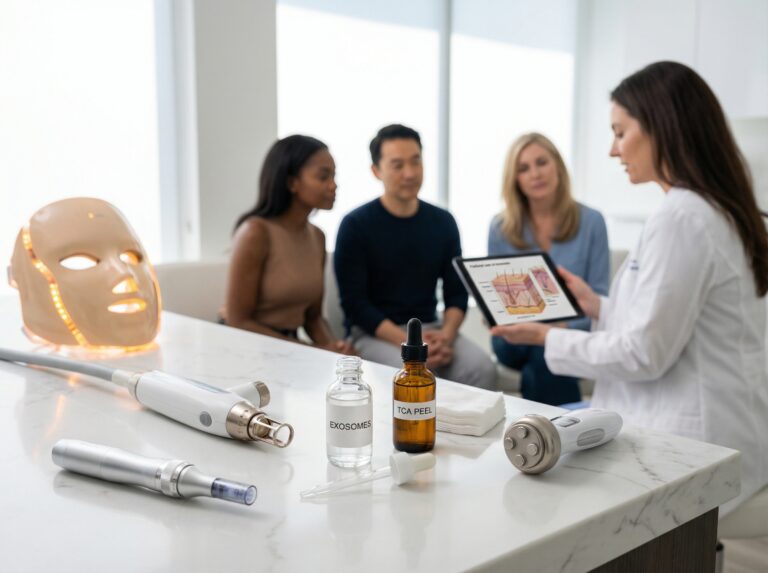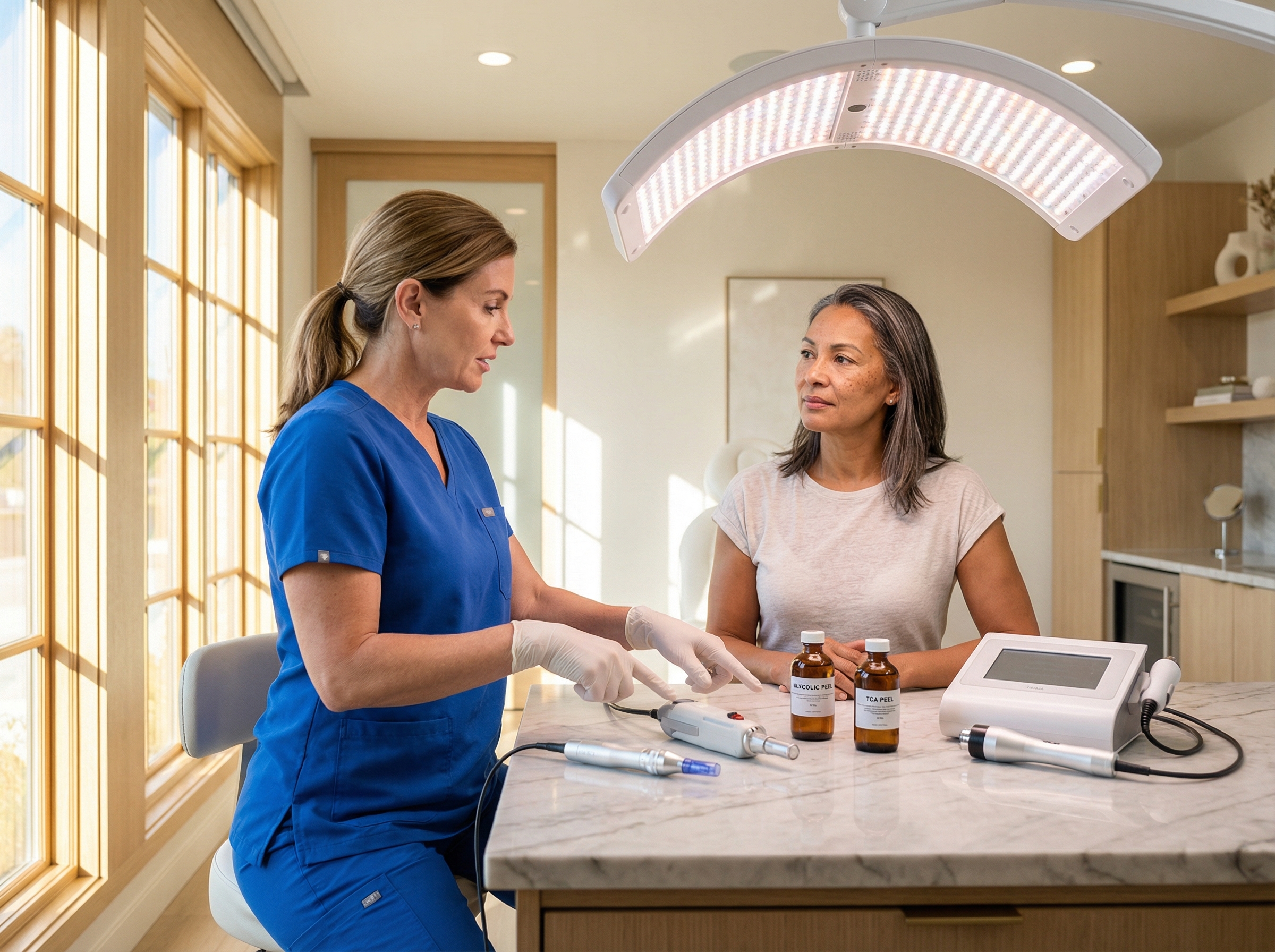
Non‑invasive skin rejuvenation offers powerful results for texture, tone, and scarring, but repeated or aggressive treatment can damage the skin barrier. This article explains how common modalities work, expected downtime and results, and—most importantly—safety and recovery strategies to prevent barrier disruption, chronic sensitivity, and pigmentation problems.
Understanding the Skin Barrier and Why Over‑Treatment Hurts
The Biological Architecture of the Stratum Corneum
We often treat the outer layer of the skin as dead debris waiting to be exfoliated. This is a fundamental mistake in aesthetic medicine. The stratum corneum is a biologically active interface that dictates how the skin interacts with the external world. You can visualize this layer using the brick and mortar model. The bricks are the corneocytes—flattened, protein-rich cells that provide physical strength. The mortar is the intercellular lipid matrix, which holds the cells together.
The lipid matrix is specific in its composition, consisting of ceramides, cholesterol, and free fatty acids in a roughly 1:1:1 molar ratio. This specific balance creates a waterproof seal that prevents water from evaporating out of the skin and stops pathogens and allergens from entering. If you disrupt this ratio, the barrier fails; the skin loses water and becomes permeable to irritants.
Inside the corneocytes, we find Natural Moisturizing Factors (NMFs). These are hygroscopic molecules that grab water and hold it within the cell. They are produced by the breakdown of a protein called filaggrin, which aggregates keratin filaments to form the structural skeleton of the skin cell. When filaggrin degrades, it releases amino acids that become NMFs. This process is vital for hydration and pH balance. A lack of filaggrin leads to a compromised barrier before you even touch the skin with a laser.
The Fine Line Between Remodeling and Destruction
Non-invasive rejuvenation relies on the concept of controlled injury. We intentionally damage the tissue to trigger a healing response. Microneedling creates physical channels; lasers use heat to create zones of coagulation. This trauma releases signaling proteins called cytokines, which tell the body to repair the damage. The repair process involves inflammation, proliferation, and remodeling, causing fibroblasts to wake up and produce new collagen and elastin.
The problem arises when the injury exceeds the skin’s capacity to repair. This is the tipping point. Controlled inflammation is beneficial; uncontrolled or chronic inflammation is destructive. When we stack treatments too closely or use energy settings that are too high, we deplete the skin’s resources. The cytokine storm does not subside. Instead of building new collagen, the enzymes begin to break down the existing matrix, leading to a state of catabolism.
Pathological barrier breakdown occurs when the lipid matrix is vaporized or stripped faster than the keratinocytes can replenish it. The acid mantle becomes alkaline, disrupting the antimicrobial defense. Bacteria like Staphylococcus aureus can colonize the surface, creating a cycle of inflammation that prevents the aesthetic results we want. The skin spends all its energy fighting the breach rather than remodeling the dermis.
Clinical Signs of a Compromised Barrier
You need to recognize barrier damage before it becomes a permanent complication. The signs are often subtle at first. The most reliable indicator is a change in sensory perception. Patients will report that their usual skincare products sting or burn. This is the “stinging test.” If a bland moisturizer causes pain, the barrier is broken, and nerve endings are exposed.
Visual signs include persistent erythema. Redness should subside within a predictable window after treatment. If it lingers days longer than expected, the inflammation is ongoing. You might see a distinct sheen or “plastic” look to the skin, indicating the texture is gone and the skin is tight. Later stages involve visible scaling and dryness, where the skin feels rough to the touch.
Transepidermal Water Loss (TEWL) is the invisible culprit. As the barrier fails, water evaporates rapidly. The skin becomes dehydrated regardless of how much water the patient drinks. This dehydration halts the enzymatic processes required for desquamation. Dead cells accumulate in clumps rather than shedding individually, manifesting as dullness or flaking.
In darker skin types, barrier trauma often manifests as Post-Inflammatory Hyperpigmentation (PIH). The melanocytes react to the chronic inflammation by dumping pigment into the surrounding cells. This is a protective mechanism gone wrong and is much harder to treat than the original concern.
Intrinsic and Extrinsic Risk Factors
Not all skin reacts the same way to injury. You must assess the patient’s inherent risk profile. Genetics play a massive role. Patients with a history of atopic dermatitis often have a genetic defect in the filaggrin gene. Their barrier is weaker at baseline, meaning they cannot tolerate the same aggressive settings as someone with robust skin.
Fitzpatrick skin type is another critical variable. Darker skin types (IV-VI) have more reactive melanocytes and tend to have a more compact stratum corneum. This can make them more resistant to chemical penetration but more prone to pigmentary issues if the physical barrier is breached. Lighter skin types (I-II) often have thinner skin that shows vascular reactions more intensely.
External factors reduce the threshold for damage. Recent use of isotretinoin (Accutane) suppresses sebaceous gland activity, significantly reducing the lipid content of the skin. The barrier takes months to recover its lipid profile after stopping the medication. Smoking is another major factor; nicotine causes vasoconstriction, limiting the blood flow required to bring nutrients to the healing tissue. The barrier cannot rebuild itself without adequate perfusion.
The sheer volume of procedures being performed contributes to the frequency of these issues. With the global microneedling market set to reach massive numbers in 2025, we are seeing more patients combining modalities without understanding the cumulative toll on their epidermis.
Objective Assessment and Practical Cues
We need to move beyond guessing. Objective measurement tools are valuable in a clinical setting. A tewameter measures Transepidermal Water Loss, giving a numerical value for barrier function. A healthy barrier typically has a TEWL of less than 10-15 g/m²/h. If the number spikes to 25 or 30, the barrier is compromised. Corneometry measures the hydration levels of the stratum corneum via electrical capacitance. These tools provide data that justifies pausing treatment.
In daily practice, you can rely on visual and tactile cues. Look for “rebound redness.” Press on the skin. If the blanching resolves instantly into a deep red flush, the vasculature is dilated and angry. Ask the patient about their recovery time from the last session. Delayed healing is a warning. If they peeled for seven days instead of three, their barrier is struggling.
Listen to the patient’s complaints about texture. They might say their skin feels “sandpapery” or that makeup does not sit right. This suggests the corneocytes are not shedding properly—a sign of dehydration at the cellular level. Do not ignore these comments; they are the first evidence that the treatment plan needs to be adjusted to focus on restoration rather than stimulation.
How Each Non‑Invasive Treatment Works and What to Expect
Microneedling and Radiofrequency Microneedling
Microneedling relies on a mechanical mechanism of action. A device equipped with fine needles creates thousands of microscopic channels in the skin. These controlled physical injuries trigger a wound healing cascade. The body responds by releasing growth factors and synthesizing new collagen and elastin. In 2025, we see a strong shift toward Radiofrequency (RF) Microneedling, which combines physical puncture with heat energy delivered directly into the dermis to tighten tissue.
Common Indications
* Atrophic acne scarring
* Uneven skin texture and pore size
* Fine lines and mild laxity
* Striae (stretch marks)
Timeline and Downtime
Visible improvements in texture often appear after the second or third session. Collagen remodeling continues for months. Standard microneedling causes erythema and edema similar to a sunburn for 24 to 48 hours. RF Microneedling can involve more swelling and potential pinpoint bleeding. The downtime is usually 3 to 5 days depending on the depth.
Treatment Course
A typical protocol involves 3 to 6 sessions spaced 4 to 6 weeks apart. Acne scarring often requires the higher end of that range. Treating more frequently (e.g., every two weeks) is a red flag; it interrupts the remodeling phase and risks barrier exhaustion. The global microneedling market is set to reach significant heights in 2025 because it remains one of the most versatile tools for texture.
Barrier Risks and Limitations
The primary risk to the barrier is mechanical compromise. The needles physically break the stratum corneum. If the needle depth is too aggressive or the pass count is too high, the skin cannot seal these channels quickly enough, leading to granulomas or persistent inflammation. Using non-sterile topicals immediately after treatment is a major cause of adverse reactions. The barrier is wide open; anything you apply goes straight to the dermis.
Patient Selection
Microneedling is generally safe for all Fitzpatrick skin types (I-VI) because it does not rely on heat absorption by melanin. This makes it a superior choice for darker skin tones compared to many lasers. However, active acne is a contraindication. Needling over active lesions spreads bacteria.
Home vs. Professional
At-home rollers usually have needles shorter than 0.3mm. They increase product absorption but do not induce collagen. Furthermore, rollers often cause tears in the skin due to the angle of entry (the “paddlewheel” effect). Professional devices use vertical stamping to reach depths of 2.5mm or more cleanly. If using a home device, a stamping tool is safer than a roller to ensure vertical entry, and needle heads must be discarded after single use to prevent infection.
Laser Facials and IPL
We categorize light-based treatments into three distinct groups. Each interacts with the barrier differently.
Non-Ablative Fractional Lasers
These devices send columns of heat into the skin without destroying the surface layer. The stratum corneum remains intact. The heat creates controlled damage in the dermis to stimulate repair.
* Indications: Early signs of aging, mild scarring, general rejuvenation.
* Downtime: Minimal. Redness and a “sandpaper” texture last for 3 to 5 days as microscopic debris works its way out. Unlike ablative recovery, the skin should not weep fluid or bleed.
* Barrier Risk: Lower risk of infection since the surface is unbroken. The main risk is thermal injury leading to prolonged dryness.
Ablative Fractional Lasers (CO2, Erbium)
These lasers vaporize tissue, removing the epidermis and part of the dermis. This is the gold standard for deep correction but carries the highest barrier risk.
* Indications: Deep wrinkles, severe sun damage, significant scarring.
* Downtime: Significant. Expect oozing, crusting, and peeling for 7 to 14 days. Redness can persist for weeks.
* Barrier Risk: The barrier is completely removed. The skin loses its ability to retain water and protect against microbes until re-epithelialization occurs.
Intense Pulsed Light (IPL)
IPL is not a laser. It uses a broad spectrum of light to target specific chromophores like melanin (pigment) or hemoglobin (redness).
* Indications: Sun spots, rosacea, broken capillaries.
* Downtime: Pigmented spots will darken and flake off like coffee grounds over 7 to 10 days.
* Barrier Risk: Generally low if settings are correct. Burns and blisters occur if the energy is too high or if the patient has a tan.
Patient Selection for Light Therapies
Fitzpatrick types IV-VI must be extremely cautious. IPL and certain non-ablative lasers can confuse melanin for the target, causing burns or post-inflammatory hyperpigmentation. Ablative lasers require strict pre-conditioning for darker skin types or may be avoided entirely.
Chemical Peels
Chemical peels use acids to lower the pH of the skin. This dissolves the bonds (desmosomes) holding dead skin cells together. The depth of the peel determines the result and the risk.
Superficial Peels (AHAs, BHAs)
These target only the stratum corneum and upper epidermis. They improve radiance and mild acne. There is little to no visible peeling. The barrier is temporarily disrupted but recovers within 24 hours.
Medium Depth Peels (TCA, Modified Jessner’s)
These penetrate to the papillary dermis to treat actinic keratosis, pigment, and wrinkles. Patients experience physical peeling for 5 to 7 days. The barrier is compromised significantly; the skin is raw and sensitive. Modified Jessner’s peels are often safer options for darker skin tones when performed by experienced professionals, provided the skin is primed with tyrosinase inhibitors.
Deep Peels (Phenol)
These reach the reticular dermis. They offer dramatic restructuring but require sedation and cardiac monitoring. The recovery takes months. The skin loses its natural pigment protection permanently in some cases. Deep peels pose significant risks for Fitzpatrick skin types IV–VI and can destroy melanocytes, leading to permanent hypopigmentation.
Barrier Risks
Over-peeling strips the lipid matrix, leading to chronic sensitivity. Combining peels with retinoids or other exfoliants without a break is a common error that destroys barrier function.
Radiofrequency (RF) Treatments
RF devices use electrical current to generate heat within the skin. The resistance of the tissue converts the current into thermal energy. This causes collagen fibers to contract immediately and stimulates new collagen production over time.
Common Indications
* Skin laxity and sagging
* Jowl formation
* Neck tightening
Efficacy and Timeline
Results are subtle and cumulative. A series of 4 to 6 weekly sessions is standard. Full results appear 3 to 6 months after the final treatment. In 2025, the most advanced non-invasive treatments for skin tightening include RF-based therapies because they offer results without the downtime of surgery.
Barrier Risks
RF bypasses the epidermis to heat the dermis. The surface barrier is usually spared. However, high energy settings can cause surface burns if the cooling mechanism fails. The heat can also trigger inflammation in rosacea-prone skin.
Patient Selection
RF is color-blind. It is safe for all skin tones. It is an excellent option for patients with melanin-rich skin who cannot undergo aggressive laser procedures.
LED Light Therapy
Light Emitting Diode (LED) therapy is a non-thermal treatment. It uses specific wavelengths of light to stimulate cellular activity (photobiomodulation).
Mechanisms and Colors
* Red Light (630-660nm): Stimulates fibroblasts to produce collagen and reduces inflammation. Used for aging and healing.
* Blue Light (415nm): Kills P. acnes bacteria. Used for acne management.
* Near-Infrared (800nm+): Penetrates deeper to aid in wound healing and pain relief.
Realistic Expectations
LED is not a quick fix. It requires consistency. Professional panels are much stronger than home masks. A typical course is twice a week for 4 to 8 weeks. Results are subtle improvements in radiance and calmness rather than structural changes.
Barrier Risks
This is the safest modality for the barrier. It does not create heat or physical injury. In fact, red light is often used to repair the barrier after aggressive procedures. The only risk comes from home devices with poor regulation that might emit heat or incorrect wavelengths.
Home vs. Professional
Professional panels deliver higher energy output in a shorter time. Home masks are effective for maintenance but require daily use for 10 to 20 minutes to match one professional session.
Practical Safety Tips to Preserve the Barrier and Maximize Results
Success depends on preparation and respect for your biology. You cannot force skin to regenerate faster than its physiological limits allow. Pushing these limits results in chronic inflammation or scarring rather than rejuvenation. This checklist ensures you protect the barrier at every stage.
Pre-Treatment Protocols
The work begins weeks before you enter the clinic. Your skin needs a reserve of hydration and a calm baseline to handle thermal or mechanical stress.
* Review your medication history. Isotretinoin requires a waiting period. While some 2025 guidelines suggest shorter windows (1-3 months for non-ablative), most conservative clinicians still require a six-month gap after stopping the medication before performing lasers or deep peels. This prevents unpredictable scarring.
* Pause active ingredients. Stop retinoids, alpha hydroxy acids, and beta hydroxy acids 5 to 7 days prior. These thin the stratum corneum and increase the risk of burns or irritation during the procedure.
* Precondition the barrier. Focus on hydration for two weeks before your appointment. Use products containing glycerin and ceramides. Well-hydrated skin conducts energy treatments like RF more effectively and heals faster.
* Manage cold sores. If you have a history of HSV, prophylactic antiviral medication is necessary before lasers, peels, or microneedling. Trauma to the skin triggers outbreaks.
* Patch testing. This is mandatory for new devices or if you have Fitzpatrick skin type IV-VI. A test spot behind the ear or near the jawline 48 hours prior reveals potential adverse reactions or pigment issues.
Intra-Procedure Safety
Safety during the treatment relies on communication and conservative settings. More energy does not always equal better results. It often equals more damage.
* Verify the device settings. Ensure the clinician adjusts energy levels based on your specific skin reaction, not just a textbook standard. Clinical endpoints like mild erythema are safer guides than numerical settings.
* Infection control. The skin must be cleansed with a surgical-grade antiseptic. For microneedling, the device tip must be sterile and single-use. Never allow the reuse of a cartridge.
* Pain management feedback. Be honest about pain levels. Extreme pain often indicates the energy is too high or the depth is excessive. This signals potential burns or nerve injury.
* Cooling mechanisms. For lasers and RF, ensure the device’s cooling tip is functioning. Proper epidermal cooling protects the top layer of skin while heat targets the deeper tissue.
Post-Procedure Care: The First 72 Hours
The barrier is compromised immediately after treatment. Your goal is protection and occlusion.
* Keep it simple. Use a gentle, non-foaming cleanser and cool water. Do not scrub. Do not use washcloths.
* Occlude the skin. Apply a petrolatum-based ointment or a specific post-procedure recovery balm. This creates a seal that prevents water loss and blocks bacteria.
* Avoid heat. Skip saunas, hot showers, and intense exercise. Sweating irritates open channels in the skin and traps bacteria.
* Sleep elevated. Prop your head up on two pillows to reduce swelling.
* No makeup. Avoid applying cosmetics for at least 24 to 48 hours. Makeup brushes harbor bacteria that cause infection in compromised skin.
Weeks 1–6: Repair and Reintroduction
Once the initial healing phase passes, you must support the remodeling collagen while restoring the acid mantle.
Weeks 1–2: Barrier Support
Switch from heavy ointments to barrier-repairing creams. Look for ingredients that mimic the skin’s natural lipid structure. Ceramides, fatty acids, and cholesterol are essential. Hyaluronic acid provides hydration, while niacinamide calms residual redness. Avoid fragrances and essential oils during this window.
Weeks 3–4: Reintroducing Actives
You can slowly bring back active ingredients. Start with chemical exfoliants or retinoids only when the skin feels normal. Perform a “sting test” with your basic moisturizer; if it causes any sensation, your barrier is not ready. If clear, use actives every other night initially. If you underwent a deep peel or ablative laser, this timeline extends to 6 weeks or longer.
Recommended Treatment Spacing
Collagen remodeling takes time. Stacking treatments too closely interrupts this process and keeps the skin in a state of chronic inflammation.
| Modality | Typical Interval | Rationale |
| Microneedling | 4–6 weeks | The skin needs a full cycle to produce new collagen. Treating sooner interrupts the remodeling phase and risks scarring. |
| Non-Ablative Laser | 4 weeks | Allows the micro-thermal zones to heal completely and debris to clear from the epidermis. |
| Ablative Laser | 3–6 months | Deep structural remodeling continues for months. The barrier remains fragile for weeks. |
| Chemical Peels | 2–4 weeks (Superficial) Once per year (Deep) |
Superficial peels exfoliate the stratum corneum. Deep peels affect the reticular dermis and require extensive recovery. |
| Radiofrequency (RF) | 1–4 weeks | Depends on intensity. Skin tightening without surgery using high-energy RF requires longer gaps to prevent fat volume loss. |
| LED Therapy | 2–3 times per week | Low energy. Safe for frequent use to reduce inflammation and speed up healing from other procedures. |
Pigment Mitigation for Darker Skin Tones
Fitzpatrick skin types IV–VI carry a higher risk of Post-Inflammatory Hyperpigmentation (PIH). Heat and trauma trigger melanocytes to overproduce pigment.
Pre-treatment suppression is vital. Use a tyrosinase inhibitor like tranexamic acid, kojic acid, or azelaic acid for two to four weeks before any heat or needle-based treatment. This puts pigment-producing cells to sleep.
Sun protection is non-negotiable. UV exposure immediately after treatment guarantees hyperpigmentation. Use a mineral sunscreen containing zinc oxide or titanium dioxide. Iron oxides in tinted sunscreens offer additional protection against visible light, which also triggers pigment in darker skin.
Signs of Over-Treatment and Immediate Steps
You need to recognize when a normal side effect turns into a complication.
Normal vs. Abnormal
Redness and mild swelling are expected. Intense heat that persists for hours, white blanching that does not fade, or blisters are not normal. Yellow or honey-colored crusting indicates a bacterial infection. A streak of redness extending from the treated area is a medical emergency (lymphangitis) requiring immediate care.
Immediate Management
If the skin feels excessively hot or burned, apply cool compresses immediately. Do not use ice directly on the skin. If you suspect a barrier compromise, stop all products except plain petrolatum.
When to call the clinician
Contact your provider if you see spreading redness, pus, or if you experience fever. Topical steroids may be prescribed to quell severe inflammation, but these must be used under supervision to avoid thinning the skin further.
Safe Combination Practices
Combining treatments yields better results only when timed correctly.
Same-day combinations
LED therapy is safe to use immediately after microneedling, peels, or lasers. It reduces redness and speeds healing. PRP (Platelet-Rich Plasma) is also safe and beneficial immediately following microneedling or fractional lasers.
Staggered combinations
Do not combine aggressive heat (laser) and mechanical trauma (microneedling) in the same session unless the provider uses a specific protocol for your skin tolerance. It is safer to alternate them. For example, do microneedling one month and a laser facial the next.
RF and Peels
Combining RF with chemical peels in the same session or shortly after risks thermal injury stacking. This combination can cause burns or post‑inflammatory hyperpigmentation. Schedule RF treatments at least two weeks apart from medium‑depth chemical peels.
Microneedling statistics show a surge in combination therapies, but safety data supports spacing these aggressive modalities out rather than stacking them indiscriminately. Respect the timeline to ensure the barrier remains intact while the dermis rejuvenates.
Final Takeaways and Next Steps
We have moved past the era where aggressive resurfacing was the only path to rejuvenation. The industry now understands that destroying the village to save it is a flawed strategy for skin health. The most successful outcomes in 2025 come from respecting the skin barrier rather than obliterating it. We see a clear shift toward treatments that stimulate repair mechanisms without overwhelming the skin’s protective capacity.
The Core Principles of Barrier-First Rejuvenation
Achieving significant results without compromising the stratum corneum requires a strategic shift in how we approach treatment plans. The goal is controlled stimulation. We want to trigger the wound-healing cascade without causing exhaustion or chronic inflammation.
Energy selection must be precise. Not every device works for every face. High-heat modalities like CO2 lasers offer dramatic results but carry higher risks for barrier disruption. Non-thermal options or fractionated technologies often provide a safer middle ground. We are seeing excellent outcomes with newer ultrasound methods and advanced RF therapies that bypass the epidermis to target deeper layers. You can read more about the efficacy of these modern tools in Skin Tightening Without Surgery: The Most Effective Options in 2025. The key is matching the energy source to the patient’s current barrier health, not just their aesthetic goals.
Actionable Next Steps for Patients
Navigating the consultation process is easier when you are prepared. You need to be an active participant in your care plan. Walking into a clinic without a clear history or understanding of your own skin leads to suboptimal results.
Preparing for Your Consultation
* Compile a full list of your current skincare products. Include everything from cleansers to spot treatments.
* Note any past reactions to heat, cold, or topical ingredients.
* Document your history of cold sores or viral infections. Prophylactic antivirals are often needed for laser treatments.
* Be honest about your sun exposure habits and lifestyle constraints regarding downtime.
Questions to Ask Your Provider
* Ask specifically why they chose a particular device for your skin type.
* Inquire about their experience treating complications like burns or pigment changes.
* Request to see before-and-after photos of patients with your specific skin tone.
* Ask about the specific plan for barrier support during the recovery phase.
* Clarify who to contact if you experience unexpected side effects after hours.
Dermatologist vs. Aesthetician
Aestheticians excel at barrier maintenance, superficial peels, and healthy skin management. However, if you have a history of keloids, active acne cysts, or suspicious moles, a board‑certified dermatologist should oversee your treatment plan. If a complication arises such as a burn or suspected infection, do not wait for your next facial appointment—contact a medical doctor immediately.
Sustainable Results Through Barrier Health
The pursuit of rejuvenation should never come at the cost of skin health. We achieve the most durable and natural-looking results when we work with the skin’s physiology. This means accepting that real change takes time. It means choosing a series of moderate treatments over one aggressive assault. By protecting the barrier, we ensure that the skin remains resilient, radiant, and capable of aging gracefully. The best aesthetic outcome is healthy skin that functions correctly.
References
* Skin Tightening Without Surgery: The Most Effective Options in 2025 — In 2025, the most advanced non-invasive treatments for skin tightening include FaceTite Turbo, RF-based therapies, ultrasound methods such as …
* Non-Surgical Aesthetics Statistics: Botox, Fillers & Laser Treatments — In 2008, nonsurgical procedures made up 83% of all cosmetic treatments, and this trend continues to grow, with over 83% of procedures in 2023 …
* Microneedling Statistics 2025-2024, Stats, Facts Data Trends, Costs — The global microneedling market is set to reach $807.24 million in 2025 · 73% of dermatologists and plastic surgeons preferred RF microneedling in 2023 · The …
* Facelift Trends 2025: New Anti-Aging Surgery in Dallas — Discover the top Facelift Trends for 2025: Deep Plane, minimally invasive techniques, and natural results. Consult Dallas Premier Plastic …
* Facelift Statistics 2025: Cost, Age Trends & Results Analysis — Overall, the patient age distribution for facelift surgeries in 2025 underscores an evolving preference for early, natural, and less invasive …
* Top Non-Surgical Cosmetic Treatments for Fall & Winter 2025 — Get radiant skin this Fall/Winter! Discover the top non-surgical treatments like Botox, fillers, and RF microneedling at Dermatology …
* Cosmetic Skin Treatments: Latest Trends for 2025 — Top Cosmetic Skin Treatment Trends for 2025 · Liquid Rhinoplasty · Advanced Skin-Tightening Treatments · Next-Generation Injectables.
* New RealSelf Cosmetic Surgery Trend Data: Which Procedures … — Other cosmetic surgery trends in 2025 include: Smaller implants and “ballerina” breasts, with patients favoring subtle fat grafting or smaller implants.
* Most Popular Aesthetic Treatments in 2025 – Dr Tanja Phillips Clinic — The top aesthetic treatments of 2025, including Botox, fillers, lasers, skin tightening, PRP, exosomes, and body contouring.
Legal Disclaimers & Brand Notices
The information provided in this article is for informational purposes only and does not constitute professional medical advice, diagnosis, or treatment. Always seek the advice of a physician or other qualified health provider with any questions you may have regarding a medical condition or specific aesthetic procedure. Never disregard professional medical advice or delay in seeking it because of something you have read in this article.
All product names, logos, and brands are the property of their respective owners. All company, product, and service names used in this text are for identification purposes only. Use of these names, logos, and brands does not imply endorsement. This includes, but is not limited to, the following trademarks mentioned in this article or its references:
- Botox® is a registered trademark of Allergan, Inc.