Non-Invasive Skin Rejuvenation Landscape
The skin rejuvenation market in the United States has reached a sophisticated peak as we move through late 2025. Most patients now prioritize treatments that offer visible results with minimal disruption to their daily lives. This shift has pushed non-invasive procedures to the forefront of aesthetic medicine. We see a move away from the overfilled or over-pulled look of previous decades. Instead, the focus is on skin quality, texture, and cellular health. Modern technology allows us to address aging and damage at the source without the risks associated with traditional surgery.
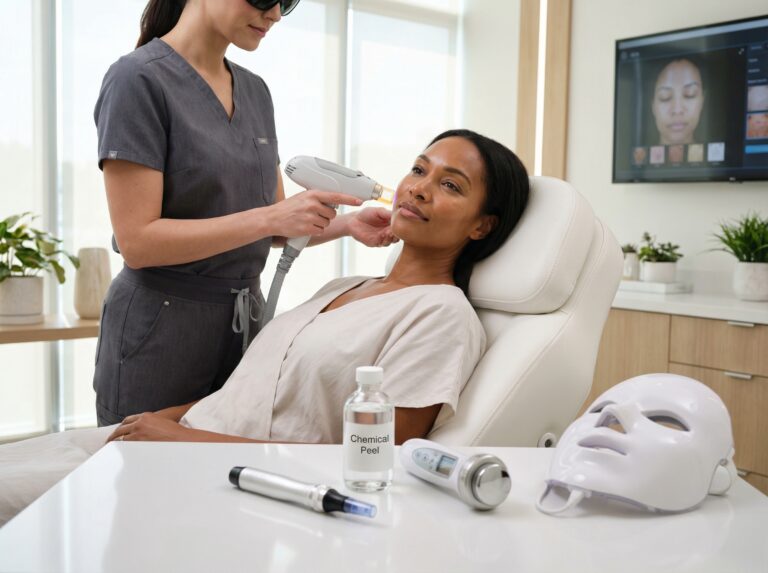
The Primary Categories of Rejuvenation
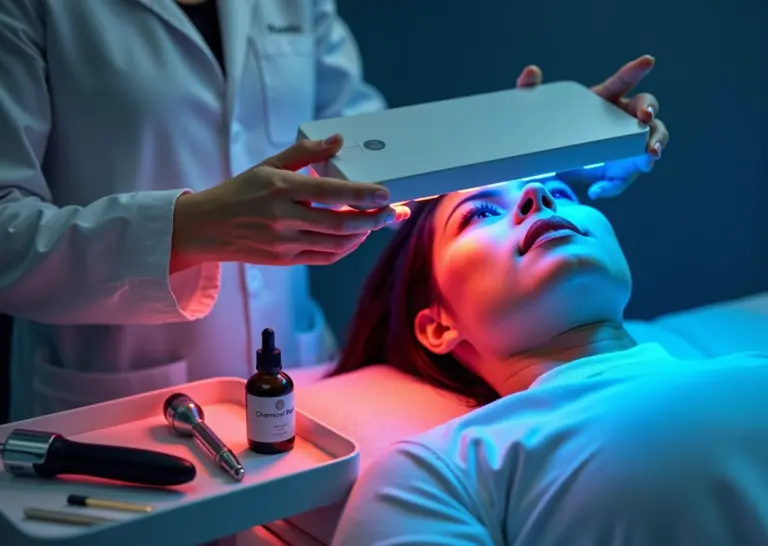
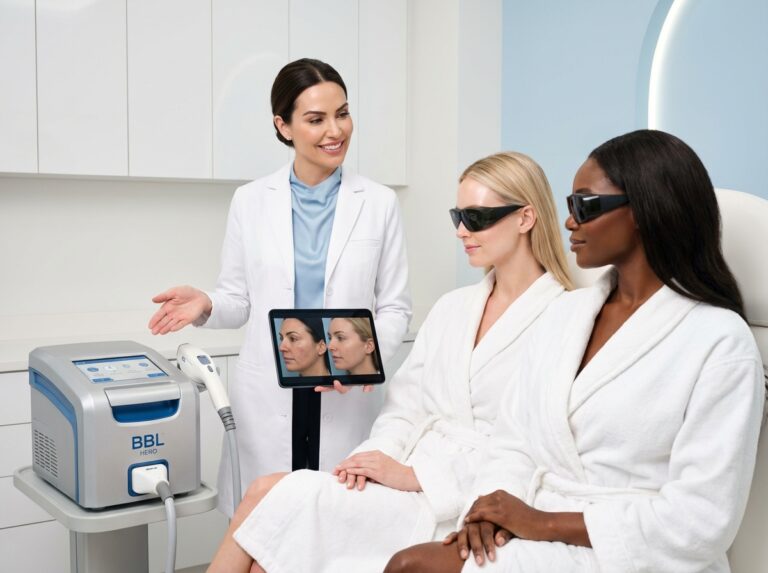
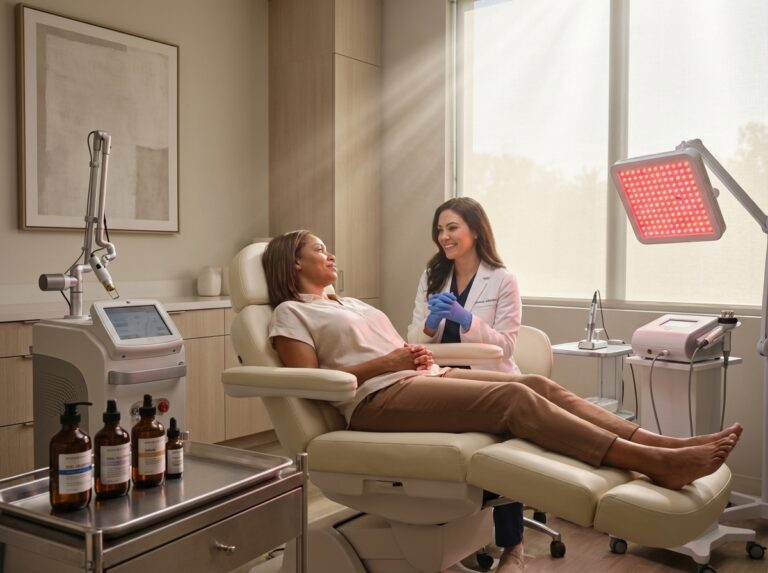
Energy-based devices represent the most diverse category in the current landscape. This group includes lasers and radiofrequency tools. Lasers use specific wavelengths of light to target water, pigment, or blood vessels in the skin. Radiofrequency devices use electrical energy to heat the deeper layers of the dermis. Both methods aim to trigger a healing response that leads to firmer skin.
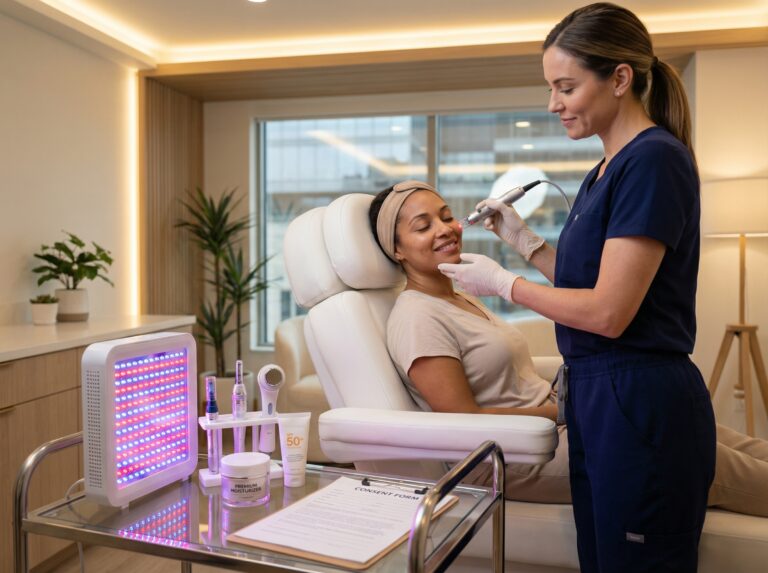
Microneedling and biostimulatory needling have also become staples in American clinics. These treatments use fine needles to create physical channels in the skin. While traditional microneedling focuses on mechanical injury, newer biostimulatory versions often incorporate growth factors or specialized serums to enhance the regenerative process. This category is favored for its ability to improve texture with very little heat.
Topical chemical peels remain a reliable choice for surface-level concerns. These treatments use acids like glycolic, salicylic, or trichloroacetic acid to dissolve the bonds between dead skin cells. This exfoliation reveals fresher skin underneath. Light therapies, specifically LED panels, provide a non-thermal option. These devices use photobiomodulation to calm inflammation or stimulate collagen at a very gentle level.
Core Mechanisms of Action
Understanding how these treatments work is essential for setting expectations. Fractional heating is a dominant concept in 2025. Instead of treating the entire surface of the skin, devices like the Fraxel Dual create thousands of microscopic treatment zones. This leaves islands of healthy tissue intact, which allows for much faster healing. Ablative versions of this technology actually vaporize small columns of tissue, while non-ablative versions heat the tissue without breaking the surface.
Controlled microinjury is the principle behind needling. By creating tiny wounds, the body is forced to produce new collagen and elastin. Chemical exfoliation works differently by removing the damaged outer layers of the epidermis. Photobiomodulation, used in LED therapy, works at a cellular level. It influences the mitochondria in our cells to increase energy production and speed up repair. Each of these mechanisms targets different layers of the skin to achieve specific goals.
Common Indications and Patient Goals
Patients seek out these treatments for a variety of reasons. Fine lines and wrinkles are the most frequent complaints. Texture issues, such as enlarged pores or rough patches, are also high on the list. Acne scarring remains a significant concern for many adults who want to smooth out the physical reminders of past breakouts. Pigmentation and sun damage, including age spots and melasma, drive a large portion of the demand in sunnier regions of the US.
Typical patient goals have shifted toward “pre-juvenation” and maintenance. Younger patients often want to prevent signs of aging before they become permanent. Older patients look for ways to reverse years of sun exposure without looking like they had work done. The goal is almost always to look like a refreshed version of oneself.
Patient Stratification and Skin Types
Providers in 2025 use the Fitzpatrick skin type scale to ensure safety. This scale ranges from Type I, which is very fair and always burns, to Type VI, which is deeply pigmented and rarely burns. This classification is vital because darker skin types are at a higher risk for post-inflammatory hyperpigmentation when exposed to certain lasers or deep peels. A provider must adjust energy levels or choose different modalities based on this scale.
There is a strong trend toward combination and staged protocols. Instead of a single aggressive treatment, many clinics now recommend a series of lighter procedures. This might include preconditioning the skin with specific topicals for two to four weeks before a laser session. Maintenance is also a key part of the conversation. Many patients now schedule annual or bi-annual “touch-up” sessions to preserve their results.
Safety and Practical Considerations
Safety remains the top priority in any aesthetic journey. Choosing a qualified provider, such as a board-certified dermatologist or a plastic surgeon, is the most important step. Patients must have realistic expectations about what non-invasive tools can achieve. While they can significantly improve the skin, they do not replace a facelift for severe sagging. Informed consent should always include a discussion of potential risks like redness, swelling, or temporary pigment changes.
Sun protection is non-negotiable before and after any rejuvenation treatment. Most providers insist on a strict SPF 50+ regimen for at least four to six weeks following a procedure. Practical factors like clinic visit time and cost are also important. A typical session can last anywhere from 30 to 90 minutes depending on the technology used. Cost ranges in the United States are broad. A simple chemical peel might cost $150, while a series of advanced fractional laser treatments can range from $800 to $1,500 per session. More aggressive ablative treatments like Fraxel Repair can cost between $2,500 and $5,000. Evidence-based selection matters because it ensures the patient is not just spending money, but investing in a treatment that actually addresses their specific biological needs.
How Fraxel Dual Works and When to Choose It
The Fraxel Dual system represents a sophisticated standard in non-ablative fractional resurfacing. It utilizes two distinct laser wavelengths to address a variety of skin concerns within a single platform. The 1550 nm erbium glass laser penetrates deep into the dermis to trigger structural remodeling. This wavelength is the primary tool for treating acne scars along with fine lines. It works by creating thousands of microscopic treatment zones. These zones are tiny columns of thermal injury surrounded by healthy tissue. This approach allows the skin to heal much faster than traditional resurfacing methods because the intact skin around each column supports rapid cellular turnover.
The second wavelength is the 1927 nm thulium laser. This addition changed how clinicians treat superficial issues. It targets the epidermis specifically to clear away pigmentation and sun damage. It is highly effective for actinic keratosis as well as general dullness. By combining these two lasers, providers can customize treatments based on whether a patient needs deep structural work or surface brightening. The 1927 nm wavelength is often referred to as the pigment laser because of its affinity for water in the upper layers of the skin. This makes it a preferred choice for patients who want to erase years of sun exposure without the risks of more aggressive ablative procedures.
Indications and Patient Selection
Fraxel Dual is ideal for patients with mild to moderate skin concerns. It is frequently used to treat atrophic acne scarring where the 1550 nm wavelength can stimulate new collagen to fill in depressions. Patients with uneven skin texture or enlarged pores often see significant refinement after a series of sessions. It is also a primary choice for treating melasma and solar lentigines. Because it is non-ablative, it does not remove the outer layer of skin. This makes it a safer option for a broader range of patients compared to the Fraxel Repair system which involves tissue vaporization.
Candidacy depends heavily on the Fitzpatrick skin type scale. Patients with Fitzpatrick types I through III are the most straightforward candidates. Those with darker skin tones in the IV to V range require a more cautious approach. For these patients, clinicians often use lower energy settings and higher treatment densities to avoid post-inflammatory hyperpigmentation. Preconditioning the skin with hydroquinone or other pigment suppressors for two to four weeks before the procedure is a common safety protocol in 2025. This preparation helps stabilize melanocyte activity and reduces the risk of darkening after the laser exposure.
The Treatment Experience and Recovery
A typical Fraxel Dual session lasts about twenty-five minutes for a full face. This does not include the time required for topical numbing which usually takes sixty minutes. During the procedure, a cooling device blows cold air on the skin to manage the sensation of heat. Most patients describe the feeling as a series of hot prickles. After the session, the skin will feel like a significant sunburn. Swelling and redness are the most common immediate side effects. These symptoms usually peak on the second day and begin to subside by the third day.
The recovery timeline for Fraxel Dual is manageable for most working professionals. Between days three and five, the skin often develops a bronzed appearance. This is followed by a process where microscopic epidermal necrotic debris or MENDs rise to the surface. The skin will feel like fine sandpaper. It is crucial that patients do not scrub or pick at these tiny crusts. They should allow the skin to flake off naturally to reveal the fresh tissue underneath. Most people return to their normal activities within two to seven days. Makeup can usually be applied after the third day once the initial redness has calmed.
Expected Results and Long Term Care
Visible improvement typically begins to appear between four and twelve weeks after the first session. However, the biological process of collagen remodeling continues for up to six months. Most patients require a series of three to six treatments spaced about four weeks apart to achieve optimal results. Clinical data suggests that acne scars can improve by fifty to seventy percent after a full series. Pigmentation clearance is often even more dramatic with many patients seeing eighty percent improvement in sun spots after just two sessions.
| Feature | 1550 nm Wavelength | 1927 nm Wavelength |
|---|---|---|
| Primary Target | Deep Dermis | Superficial Epidermis |
| Main Concern | Wrinkles and Scars | Pigment and Texture |
| Depth | Up to 1.5 mm | 100 to 300 microns |
Post-treatment care is vital for maintaining results and ensuring safety. Patients must use a broad-spectrum sunscreen with an SPF of 50 or higher every single day. The new skin is highly sensitive to ultraviolet light and unprotected exposure can lead to rapid repigmentation. Avoiding active ingredients like retinoids or glycolic acids for at least two weeks is also necessary. Many providers now recommend using growth factors or hyaluronic acid serums to support the healing barrier during the first week of recovery.
Safety Tips and Clinical Red Flags
While Fraxel Dual has a high safety profile, patients must be aware of potential complications. Antiviral prophylaxis is often prescribed for patients with a history of cold sores because the heat from the laser can trigger an outbreak. If a patient experiences extreme pain or develops yellow crusting and pus, they must contact their clinician immediately. These can be signs of a bacterial infection. Prolonged redness that lasts beyond two weeks or the development of new dark patches should also be evaluated by a professional. Choosing a board-certified dermatologist or an experienced practitioner is the best way to minimize these risks. You can find more detailed comparisons between the different Fraxel technologies at Brunner MD or explore patient discussions on RealSelf to understand the nuances of the recovery process.
How Fraxel Repair Works and When It’s Indicated
Fraxel Repair represents the most intensive end of the fractional laser spectrum. While the previous discussion focused on the gentler non-ablative Dual system, this technology takes a much more aggressive approach to skin transformation. It is an ablative fractional resurfacing treatment that uses a CO2 laser wavelength. This means the laser does not just heat the tissue. It vaporizes microscopic columns of skin entirely. This creates a more dramatic result for patients dealing with advanced aging or structural skin damage.
The Science of Ablative Fractional Resurfacing
The mechanism behind this treatment involves creating millimeter scale columns of dermal ablation. The laser targets water in the skin cells and causes them to vaporize instantly. These tiny holes are surrounded by islands of untreated tissue. This fractional approach is what makes the technology safer than traditional CO2 lasers that removed the entire surface of the skin. The untreated areas act as a reservoir for rapid healing. Once the columns are created, the body initiates a robust collagen remodeling process. New skin cells migrate to the surface to close the wounds. This re-epithelialization typically happens within the first week. Below the surface, the production of new collagen and elastin continues for six months or longer. This leads to significant skin tightening and a reduction in the depth of wrinkles.
Indications for Intensive Treatment
This laser is designed for patients with significant photodamage. It is the preferred choice for deep rhytides, particularly those stubborn lines around the mouth and eyes. It also addresses severe texture concerns and actinic keratosis. Patients with surgical or traumatic scars often see a 50 to 70 percent improvement in the appearance of the scar tissue after a single session. Because the treatment is so powerful, most patients only need one procedure to achieve their goals. This is a major contrast to non-ablative options that require a series of four to six visits. It is a high stakes choice for those who want a dramatic immediate change and can commit to the necessary recovery time.
Anesthesia and Procedural Expectations
The intensity of the CO2 wavelength requires more than just a simple numbing cream. Most practitioners use a combination of high strength topical anesthetics and oral sedatives. For extensive treatments covering the full face and neck, procedural sedation or nerve blocks may be necessary. The sensation is often described as intense heat. The procedure itself takes about 90 to 120 minutes when including the preparation time. Clinicians often use a cooling device to manage the temperature of the skin surface during the pulses. This helps protect the epidermis and improves patient comfort levels.
The Reality of the Recovery Phase
Recovery from an ablative laser is a serious commitment. Patients should expect significant swelling and crusting in the days following the procedure. Wound care is the most critical part of this phase. You must keep the skin covered in a thick layer of ointment like Aquaphor to prevent scabbing. If the skin dries out, it can lead to scarring or delayed healing. Visible healing usually takes between 7 and 21 days. During the first week, the skin will weep and then begin to peel. Once the initial crusting resolves, the new skin underneath will appear very pink or red. This erythema can persist for one to three months. Patients must avoid direct sunlight and use a mineral based SPF 50 daily to protect the vulnerable new tissue.
Safety Profiles and Risk Factors
The risks associated with Fraxel Repair are higher than those of non-ablative lasers. There is a 2 to 5 percent risk of infection if post-procedure hygiene is not strictly followed. Prolonged redness or permanent pigment changes are also possible. This is especially true for patients with darker skin types. Those in the Fitzpatrick IV to VI categories are at a much higher risk for post-inflammatory hyperpigmentation. Most experts recommend this treatment primarily for lighter Fitzpatrick types I through III. If a darker skin type is treated, it requires extensive preconditioning with hydroquinone for several weeks. Practitioners must also use lower energy settings and perform test spots to ensure safety.
Candidacy and Contraindications
Not everyone is a candidate for this level of resurfacing. You must avoid this treatment if you have used isotretinoin within the last six to twelve months. The medication affects the skin’s ability to heal and increases the risk of hypertrophic scarring. Active skin infections or uncontrolled systemic diseases like diabetes are also contraindications. If you have a history of cold sores, you will need to take an antiviral medication like valacyclovir starting before the procedure. This prevents a flare-up that could spread across the treated area. A Fraxel re:pair vs. Fraxel re:store DUAL comparison shows that the Repair version is best suited for older patients with more advanced structural concerns.
The Importance of Practitioner Experience
Because this laser removes tissue, the skill of the provider is paramount. An experienced clinician knows how to adjust the density and depth of the laser columns based on the thickness of the skin in different areas. For example, the skin on the eyelids is much thinner than the skin on the cheeks. Over-treating an area can lead to scarring or a loss of pigment. A board certified dermatologist or plastic surgeon is the safest choice for this procedure. They can manage potential complications like persistent redness or bacterial infections effectively. Choosing a provider based on their experience rather than the lowest price is the best strategy for a successful outcome.
Comparison Summary
| Feature | Fraxel Repair Details |
|---|---|
| Laser Type | Ablative Fractional CO2 |
| Primary Goal | Deep wrinkles and severe scars |
| Typical Sessions | 1 session |
| Downtime | 7 to 21 days |
| Anesthesia | Topical plus oral sedation |
| Risk Level | Moderate to High |
The decision to undergo this treatment should involve a thorough consultation. You need to weigh the benefit of a single dramatic session against the two weeks of social downtime. While the The Difference Between Fraxel DUAL and Fraxel re:pair Lasers is clear in terms of intensity, the long term results of Repair are often more permanent. The collagen boost can last for several years if you maintain a good skincare routine and practice strict sun protection.
Comparing Dual and Repair and Integrating Other Therapies
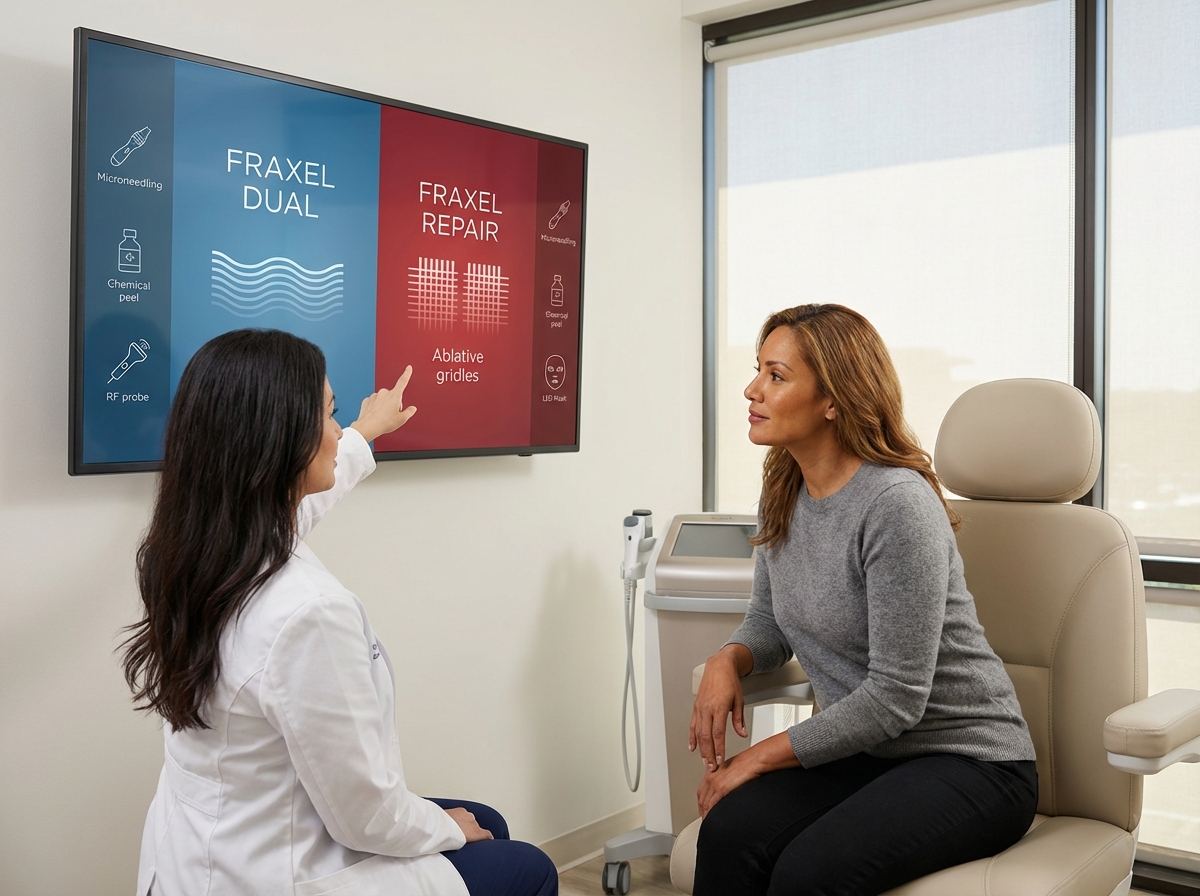
Choosing between Fraxel Dual and Fraxel Repair requires a clear understanding of your skin goals and your lifestyle. These two systems serve different purposes even though they share the same brand name. Fraxel Dual is a non-ablative laser. It leaves the skin surface intact while heating the tissue underneath. This stimulates collagen and removes unwanted pigment. Fraxel Repair is an ablative CO2 laser. It vaporizes columns of skin to force a total resurfacing. This difference in technology dictates everything from the pain you feel to the time you spend hiding at home.
Comparing Dual and Repair Efficacy
Fraxel Dual uses two wavelengths. The 1550 nanometer wavelength penetrates deep into the dermis to improve texture and acne scars. The 1927 nanometer wavelength targets the top layer to erase sun spots and actinic keratosis. Most patients see a sixty percent improvement in pigmentation after three sessions. It is the standard choice for people in their 30s or 40s with moderate sun damage.
Fraxel Repair is much more powerful. It targets deep wrinkles and severe skin laxity. Because it removes tissue, it provides a tightening effect that non-ablative lasers cannot match. One session of Repair can achieve what four or five sessions of Dual might accomplish for deep lines. However, the risk profile is higher. There is a greater chance of infection or long term redness if the settings are too aggressive.
| Feature | Fraxel Dual | Fraxel Repair |
|---|---|---|
| Laser Type | Non-ablative Erbium/Thulium | Ablative Fractional CO2 |
| Typical Sessions | 3 to 6 sessions | 1 session |
| Downtime | 2 to 7 days | 7 to 21 days |
| Pain Level | 4 to 6 out of 10 | 7 to 9 out of 10 |
| Average Cost | $800 to $1,500 | $2,500 to $5,000 |
Decision Making Factors
Your tolerance for downtime is often the deciding factor. If you have a busy job in the city and cannot take two weeks off, Fraxel Dual is the logical path. You will look like you have a bad sunburn for a few days. You can usually apply mineral makeup by day four. Fraxel Repair requires significant wound care. Your skin will be raw and may weep or crust for the first week. You cannot go into the sun or wear makeup for at least ten days.
Pain management also differs. Dual requires a strong topical numbing cream. Some clinics use a cooling air device to make the prickling sensation tolerable. Repair usually requires more than just a cream. Many doctors provide oral sedatives or local anesthetic injections to keep you comfortable during the procedure. You can read more about these differences in this guide on Fraxel® Re:pair Vs. Fraxel® Re:store DUAL.
Integrating Other Therapies
Modern skin care rarely relies on a single machine. Combining Fraxel with other treatments can enhance the final result. LED therapy is a popular add on. Using red light at 633 nanometers immediately after a laser session can reduce swelling and redness by thirty percent. It speeds up the initial healing phase significantly.
Microneedling is another useful tool. It creates physical channels in the skin without the heat of a laser. You might use microneedling with Platelet Rich Plasma (PRP) to boost collagen between your Fraxel sessions. This combination is particularly effective for deep acne scars. You should wait at least four weeks after a Fraxel Dual treatment before scheduling microneedling.
Radiofrequency (RF) treatments focus on skin tightening. While Fraxel improves the surface, RF targets the deeper structural layers. A common protocol involves a Fraxel Dual series followed by an RF treatment six weeks later. This addresses both the brown spots on the surface and the sagging along the jawline. Chemical peels can also be used to maintain results. A light glycolic or salicylic acid peel every few months helps keep the skin bright. You must wait six weeks after any ablative laser before applying a chemical peel.
Sequencing and Safety Tips
The order of your treatments matters for safety. If you use injectables like Botox or fillers, timing is critical. You should get your Fraxel treatment first. If you already have fillers, wait at least four weeks before doing Fraxel Repair. The heat from the CO2 laser can sometimes affect the longevity of certain fillers if they are placed superficially.
For patients with darker skin, safety requires a staged approach. This is often called preconditioning. You should use a four percent hydroquinone cream for two to four weeks before your laser date. This suppresses melanin production and prevents post inflammatory hyperpigmentation. Doctors should always perform a test spot on a hidden area of the jawline for Fitzpatrick types IV through VI. This ensures the energy settings will not cause permanent light or dark spots.
Recovery Checklist for Patients
- Stop using all retinoids and exfoliating acids one week before the procedure.
- Take your prescribed antiviral medication starting the day before treatment if you have a history of cold sores.
- Apply a thick layer of bland ointment like Aquaphor multiple times a day after Fraxel Repair.
- Use only a gentle, non foaming cleanser and lukewarm water.
- Sleep with your head elevated on two pillows for the first three nights to reduce swelling.
- Apply a 100 percent mineral sunscreen with SPF 50 every single morning once the skin has closed.
- Avoid heavy exercise or sweating for forty eight hours after Dual and two weeks after Repair.
Clinicians usually schedule a follow up visit at the one week mark for Repair patients. This is to check for any signs of infection or unusual crusting. For Dual patients, a follow up at two weeks is standard to plan the next session in the series. Most people see the best version of their skin about three to six months after their final treatment. This is how long it takes for the new collagen to fully mature and lift the skin surface.
Common Questions from Patients
Patients often feel overwhelmed when choosing between different laser technologies. The technical specifications of Fraxel Dual versus Fraxel Repair involve different wavelengths plus varying levels of skin injury. Understanding these details helps in setting realistic expectations for the recovery period and the final results.
How painful are Fraxel treatments and what anesthesia is used?
Fraxel Dual is generally manageable for most people. A topical numbing cream is applied for about sixty minutes before the procedure. During the session, a cold air device blows on the skin to reduce heat. Most patients describe the sensation as a series of hot prickles. On a scale of one to ten, the pain usually sits between four and six. Fraxel Repair is much more intense because it is an ablative laser. It vaporizes tiny columns of skin. This requires more than just a topical cream. Doctors often use local anesthetic blocks or oral sedatives to keep the patient comfortable. The pain level for Repair can reach seven to nine without proper numbing. If you have a low pain threshold, discuss stronger sedation options with your provider during the consultation.
How long is the downtime for Dual versus Repair?
The recovery timeline depends on whether the laser is non-ablative or ablative. Fraxel Dual is non-ablative, meaning it leaves the skin surface intact. You can expect redness and swelling for two to three days. By day four, the skin often takes on a bronzed appearance and starts to peel. Most people return to work within five to seven days. Fraxel Repair involves a much longer commitment. Since it removes layers of tissue, the skin will be raw and may ooze for the first few days. You will need to perform intensive wound care with ointments like Aquaphor. The primary healing phase lasts seven to fourteen days. Residual redness can persist for several weeks or even months. A practical recommendation is to schedule Fraxel Repair when you have at least two full weeks away from social obligations.
How many sessions will I need to see results?
Fraxel Dual typically requires a series of treatments to reach peak efficacy. Most patients see significant improvement after three to five sessions spaced four weeks apart. This gradual approach allows for collagen rebuilding without massive downtime. Fraxel Repair is often a one-and-done procedure. Because it is so aggressive, a single session can address deep wrinkles and severe sun damage. You might see some immediate tightening, but the full results for both lasers appear over three to six months as new collagen forms. If you are treating deep acne scars with Dual, you may need up to six sessions to see a fifty to seventy percent improvement.
Can people with darker skin get these treatments safely?
Patients with Fitzpatrick skin types IV through VI must be very cautious. Fraxel Dual is safer for darker skin than Fraxel Repair, but it still carries risks. The heat from the laser can trigger post-inflammatory hyperpigmentation. Risk-mitigation strategies include preconditioning the skin with a four percent hydroquinone cream for two to four weeks before the laser. Doctors should also use lower energy settings and perform a patch test twenty-four hours before the full treatment. Fraxel Repair is generally avoided for very dark skin because the risk of permanent pigment loss or scarring is too high. Always seek a board-certified dermatologist who has extensive experience treating skin of color to avoid complications.
What are the risks of permanent hyperpigmentation or scarring and how are they prevented?
Scarring is rare with Fraxel Dual, occurring in less than one percent of cases. The risk is slightly higher with Fraxel Repair at two to five percent. Hyperpigmentation is more common, especially if you do not follow sun protection rules. Prevention starts with strict UV avoidance. You must use a mineral sunscreen with SPF 50 or higher every single day after the procedure. To prevent infections that could lead to scars, doctors often prescribe an antiviral medication like Valacyclovir if you have a history of cold sores. Never pick at the peeling skin or crusts. Forcing the skin to shed before it is ready is the fastest way to cause a permanent mark.
How soon can I wear makeup or resume exercise?
With Fraxel Dual, you can usually apply mineral makeup after three to five days once the initial swelling subsides. You should wait forty-eight hours before resuming light exercise to avoid excessive sweating, which can irritate the treated zones. Fraxel Repair requires a longer wait. You should not wear makeup for at least seven to ten days until the skin has fully re-epithelialized. Exercise should be avoided for one to two weeks. Intense physical activity increases blood flow to the face, which can worsen swelling and prolong the redness of ablative healing.
Do treatments affect tattooed skin?
Yes, lasers can significantly damage tattoos. The laser energy may be absorbed by the tattoo pigment, leading to burns, blistering, or permanent distortion of the ink. If you have a tattoo in the treatment area, the provider must carefully shield it or work around it. Never allow a resurfacing laser to pass directly over a cosmetic or decorative tattoo unless you want the tattoo removed or altered.
Can I get treatments if I took isotretinoin recently or am pregnant?
Pregnancy is a total contraindication for all laser treatments. There is no data to prove it is safe for the fetus, and hormonal changes during pregnancy increase the risk of melasma and poor healing. If you have taken isotretinoin (Accutane), you must wait. Most experts recommend waiting six to twelve months after your last dose before undergoing aggressive laser resurfacing. Isotretinoin affects the oil glands and the skin’s ability to heal, which significantly increases the risk of hypertrophic scarring after a laser procedure.
How much do treatments cost in the US and are results permanent?
Prices vary by region and the expertise of the provider. Fraxel Dual usually costs between $800 and $1,500 per session. A full series can range from $3,200 to $6,000. Fraxel Repair is more expensive per session, typically costing between $2,500 and $5,000. The results are long-lasting but not permanent because your skin continues to age. Results from Dual can last one to two years with good sun protection. Repair results can last three to five years. Most patients opt for a single maintenance session of Fraxel Dual once a year to keep their skin looking fresh.
When to choose a dermatologist versus a cosmetic surgeon or medispa?
For Fraxel Dual, a reputable medispa with an on-site medical director may be acceptable for patients with light skin and minor concerns. However, if you have a darker skin tone or complex scarring, a board-certified dermatologist is the safer choice. Fraxel Repair should only be performed by a dermatologist or a plastic surgeon. The ablative nature of the laser requires medical expertise to manage the wound healing process and identify early signs of complications. You can find more information on the differences between these systems at Brunner MD or read patient reviews on RealSelf.
When to seek urgent care: Contact your doctor immediately if you develop a fever, see yellow pus or crusting, or experience pain that gets worse after the first forty-eight hours. These can be signs of a bacterial or fungal infection that requires prescription treatment to prevent scarring.
Conclusions and Practical Takeaways
Choosing the right path for skin rejuvenation involves balancing the desired results with the reality of recovery time. The decision between Fraxel Dual and Fraxel Repair often comes down to the intensity of the skin concerns and the amount of time a patient can step away from daily life. Fraxel Dual operates as a non-ablative laser. It uses two distinct wavelengths to treat the skin without removing the top layer. This makes it a preferred choice for those in their 30s or 40s who want to address early signs of aging, sun spots, or acne scars. Fraxel Repair uses a CO2 ablative technology. It vaporizes microscopic columns of tissue to trigger a much more aggressive healing response. This version remains the standard for treating deep wrinkles and significant structural damage in older patients.
The Value of Combination Treatments
In 2025, many dermatologists favor a staged approach rather than relying on one single machine. Combining Fraxel with other modalities often produces superior outcomes. For instance, using LED light therapy immediately after a laser session can reduce redness by 30 percent. Some providers suggest microneedling with PRP to boost collagen production between laser appointments. Others might use radiofrequency treatments six weeks after a Fraxel Dual session to enhance skin tightening. These combinations allow for customized plans that address multiple layers of the skin at once. It is common to wait four to six weeks between different types of energy-based treatments to ensure the skin has fully recovered. This comparison of Fraxel Dual and Restore explains how these technologies have evolved to offer these flexible options.
Practical Guidance for Patients
Success with laser resurfacing depends on preparation and post-treatment discipline. Patients should stop using retinoids and exfoliating acids at least two weeks before their session. If there is a history of cold sores, taking an antiviral medication like valacyclovir is necessary to prevent a breakout. Sun avoidance is the most critical factor for safety. Using a mineral sunscreen with SPF 50 or higher is mandatory for at least six weeks after the procedure. New skin is extremely vulnerable to UV damage. Even a few minutes of unprotected exposure can lead to permanent dark spots. Patients should also set realistic timelines. While some brightness appears quickly, the full collagen-building effect takes three to six months to peak.
Choosing the Right Provider
The expertise of the person holding the laser is more important than the brand of the machine. A board-certified dermatologist or plastic surgeon has the training to adjust energy settings based on skin thickness and pigment levels. This reduces the chance of scarring or burns. While medispas may offer lower prices for Fraxel Dual, complex cases or ablative treatments like Fraxel Repair should always be handled in a medical setting. Experienced providers have performed hundreds of cases and know how to manage complications if they arise. They will also provide a documented informed consent form that outlines all potential side effects.
The best first step is to schedule a consultation with a qualified specialist. They can evaluate your skin type and scar history to create an individualized plan. This ensures you choose the treatment that fits your lifestyle and your aesthetic goals. Always ask to see before and after photos of patients with similar skin tones to yours before moving forward with any procedure.
References
- Fraxel® Re:pair Vs. Fraxel® Re:store DUAL: What's the Difference? — Fraxel re:pair is an ablative laser, which means it offers more intense treatment. The downtime will therefore be longer, usually three days to about a week.
- What is the difference between Fraxel Dual & Fraxel Restore? What … — The fraxel dual/restore are the same thing , they are nonablative erbium/thulium lasers. the repair is co2 laser and is ablative. I suggest …
- The Difference Between Fraxel DUAL & Fraxel re:pair Lasers? — The Fraxel re:pair is a more aggressive laser than the Fraxel DUAL because it is ablative and will require post-treatment wound care.
- How Is Fraxel® Different from Other Types of Lasers? — Compared to other lasers, the Fraxel Dual Laser System offers less downtime and a quicker recovery. The fractional treatment zones stimulate your body's natural …
- Which Fraxel Laser Is Right For Me? Comparing Fraxel Lasers — While Re:pair is excellent at treating a broad range of skin problems typically in older people, Dual, is designed to target and minimize lines, …
- What Is The Difference Between Fraxel® And Fraxel® Dual Laser? — The primary difference between the two is that Fraxel® Dual uses two laser wavelengths, while the basic Fraxel® only uses one. Fraxel® Dual uses …
- Difference Between Fraxel Dual & Fraxel CO2 Lasers — While Fraxel CO2 lasers are excellent at treating a broad range of skin problems, the Fraxel Dual laser is programmed to specifically target and minimize …
- Which Fraxel Laser Is Best? Comparing the Different #FraxelLasers — FraxelLasers #FraxelLasersCompared #DifferentFraxelLasers If you're looking for Amanda's full fraxel treatment, recovery, and results video …