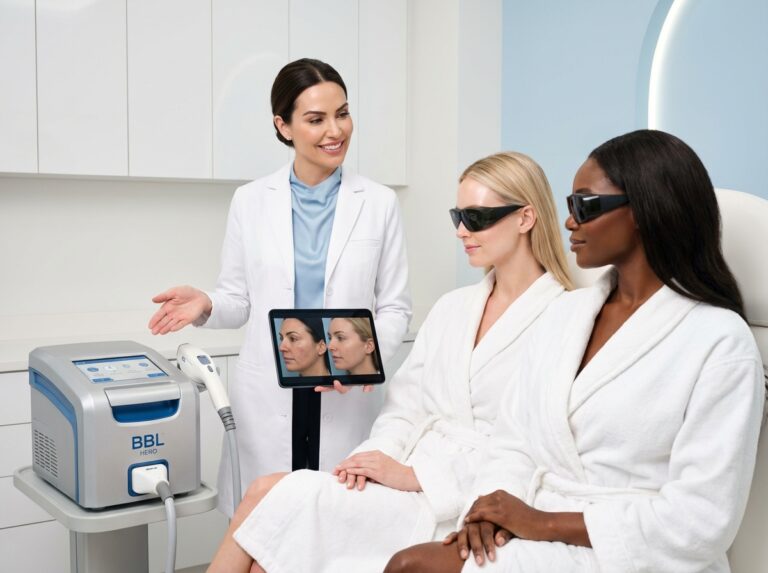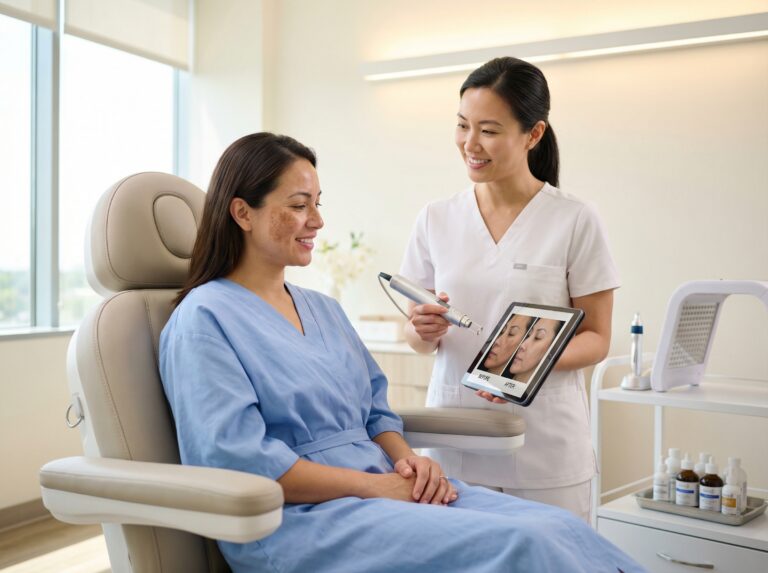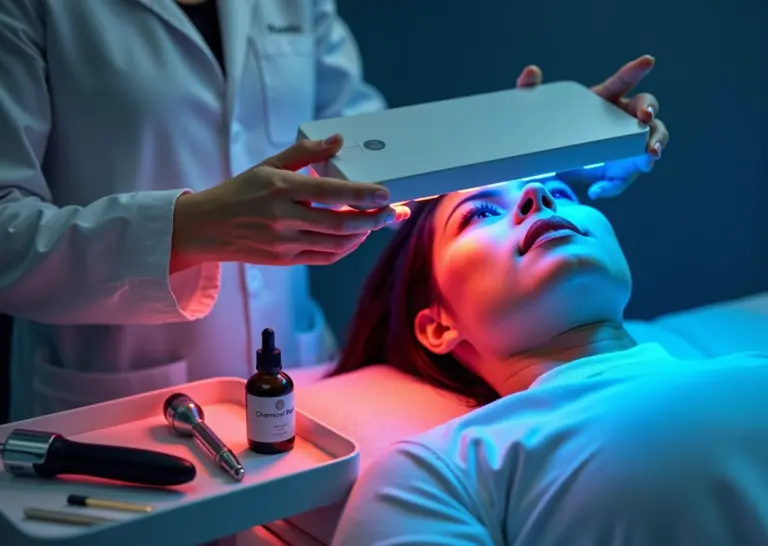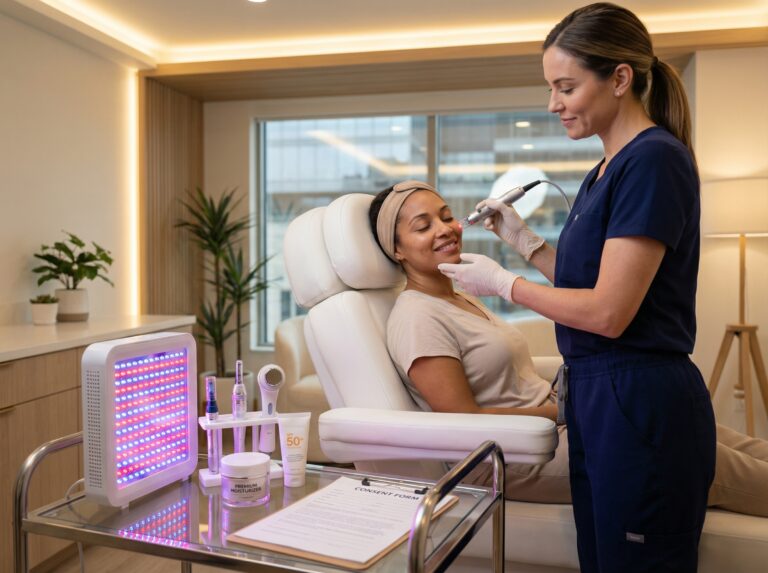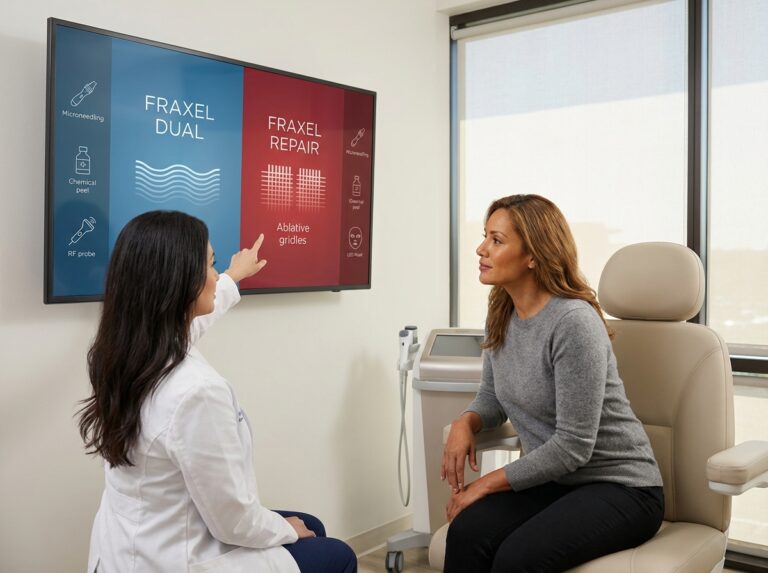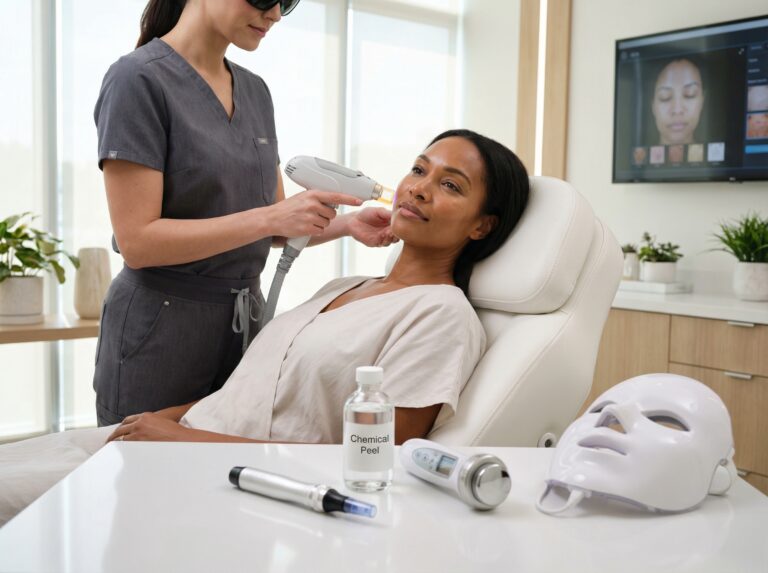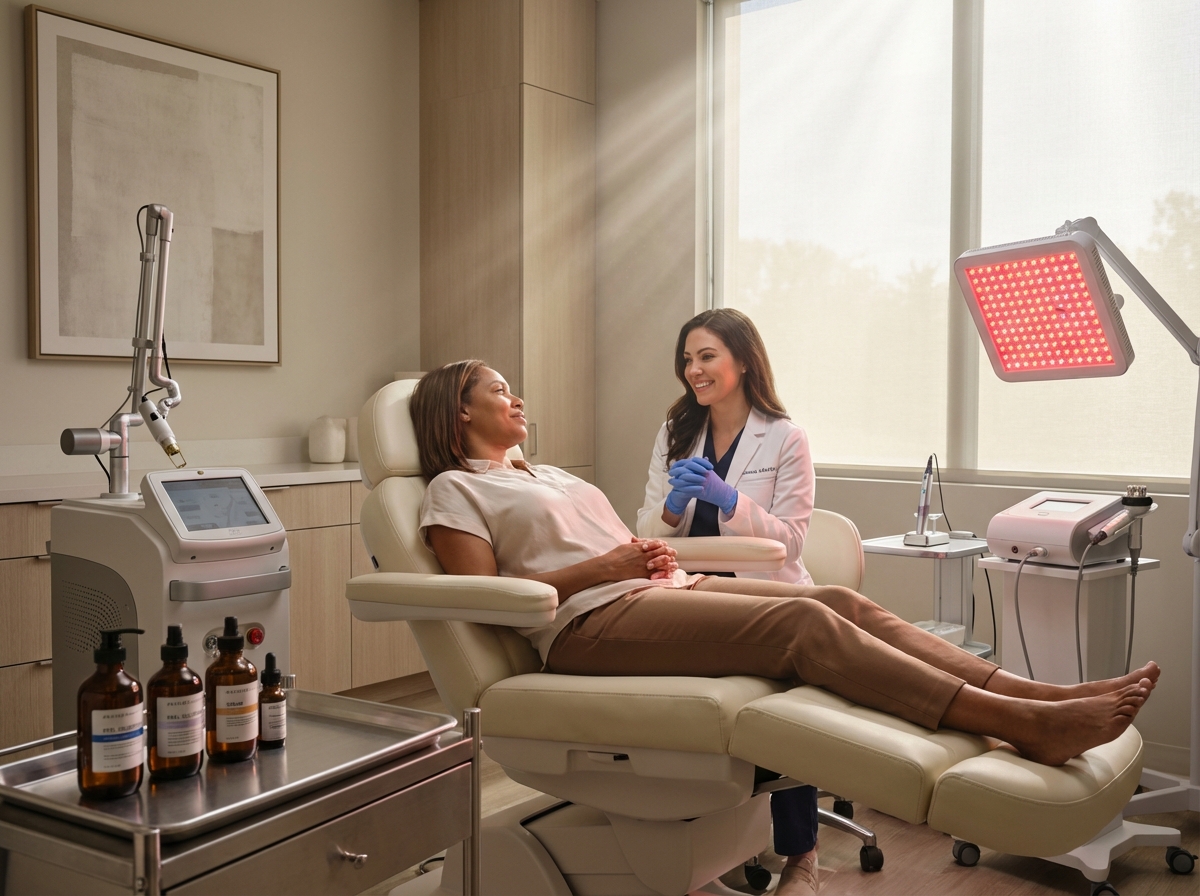
Non-invasive skin rejuvenation offers many routes to smoother, firmer, clearer skin. This article explains how ablative and non-ablative lasers differ, where lasers fit among microneedling, chemical peels, RF and LED therapies, and how to choose treatments based on indications, expected downtime, results timeline, and safety — focused on practical guidance for patients in the United States.
How non invasive skin rejuvenation works and why lasers matter
The fundamental choice in laser resurfacing comes down to how the device interacts with the water in your skin cells. We categorize these tools into two distinct camps: ablative and non-ablative. Understanding the mechanics of each is the only way to predict your downtime, safety profile, and realistic results.
Mechanisms of Action: Vaporization vs. Coagulation
Ablative Lasers
These are the heavy hitters of dermatology. Ablative lasers, including Carbon Dioxide (CO2) and Erbium:YAG (Er:YAG), work by targeting water molecules within the skin and heating them until they vaporize. This process physically removes the epidermal layer and heats the underlying dermis. The body perceives this as a significant injury and responds by producing massive amounts of new collagen during the wound-healing process. This physical removal of tissue is why ablative lasers remain the gold standard for deep wrinkles, severe acne scarring, and significant photodamage.
Non-Ablative Lasers
Non-ablative devices take a different approach. Instead of removing the skin, they pass laser energy through the epidermis to heat the underlying dermal tissue without vaporization. The goal is controlled thermal injury. This heat triggers a wound-healing response—specifically collagen remodeling—while leaving the stratum corneum (the outermost layer of skin) intact. Common wavelengths include the 1550 nm erbium glass, 1064 nm Nd:YAG, and pulsed dye lasers (PDL) for vascular concerns. Because the surface isn’t broken, recovery is significantly faster, but the structural changes are less dramatic per session compared to ablative methods.
The Shift to Fractional Technology
Early laser treatments were “full-field,” meaning they treated 100% of the skin surface area in the target zone. While effective, this led to prolonged recovery times and a high risk of scarring or hypopigmentation (loss of color).
Modern practice relies heavily on fractional technology. Whether ablative or non-ablative, fractional lasers split the laser beam into thousands of microscopic columns. These “micro-thermal zones” treat only a fraction of the skin (typically 5% to 20% coverage), leaving bridges of untreated, healthy tissue in between. These healthy bridges act as a reservoir for rapid healing, drastically reducing downtime and safety risks while still delivering energy deep into the dermis.
Ablative Lasers: Devices, Indications, and Recovery
Ablative fractional resurfacing is generally reserved for patients with moderate to severe skin concerns who can tolerate a recovery period.
Common Devices
The 10,600 nm CO2 laser is the most aggressive and effective for deep tissue tightening and remodeling. The 2,940 nm Er:YAG is another ablative option that absorbs water more efficiently than CO2, allowing for precise superficial ablation with slightly less thermal damage to surrounding tissue.
Indications and Efficacy
These lasers are indicated for deep rhytides (wrinkles), severe atrophic acne scars, surgical scars, and advanced photodamage. Clinical data indicates that ablative fractional lasers provide superior improvements in skin elasticity and contraction compared to non-ablative counterparts. Results are often visible after a single treatment, though 1 to 3 sessions may be required for optimal outcomes.
Downtime and Risks
Recovery is significant. Patients typically experience raw, oozing skin for the first 48–72 hours, followed by crusting and peeling. Social downtime ranges from 7 to 14 days, with residual redness (erythema) lasting weeks to months. Risks include bacterial or viral infection, scarring, and prolonged pigmentary changes.
Non-Ablative Lasers: A Gentle Alternative
Non-ablative lasers suit patients seeking improvement in texture and tone with minimal interruption to their daily lives.
Common Devices
The 1550 nm and 1927 nm thulium lasers are staples for resurfacing. The 1064 nm Nd:YAG is frequently used for collagen stimulation and mild tightening. Intense Pulsed Light (IPL), while strictly a light device rather than a laser, often falls into this category for treating pigment and redness.
Indications and Efficacy
These are best for fine lines, mild to moderate acne scarring, enlarged pores, and early signs of aging. A study utilizing non-ablative fractional 1,064 nm Nd:YAG lasers showed an 80% improvement in skin laxity and telangiectasias (broken blood vessels) and a 60% improvement in tactile roughness. However, results are progressive. A typical protocol involves 4 to 6 sessions spaced 2 to 4 weeks apart.
Downtime and Risks
Downtime is minimal, often described as “social downtime.” Patients may look sunburned for 24 to 72 hours, with some mild swelling. Makeup can usually be applied the next day. While generally safer, risks still exist. Interestingly, a systematic review found that excluding transient events, ablative lasers had fewer complications overall when compared with nonablative lasers (2.56% ± 2.19% vs 7.48% ± 3.29%). This counter-intuitive statistic often reflects the higher number of sessions required for non-ablative therapy, increasing the cumulative opportunity for adverse reactions like acne flares or contact dermatitis.
Comparative Overview
| Feature | Ablative Fractional (CO2, Er:YAG) | Non-Ablative Fractional (1550nm, Nd:YAG) |
|---|---|---|
| Primary Action | Vaporization of tissue | Coagulation (heating) of tissue |
| Sessions Required | 1–3 | 4–6 |
| Downtime | 7–14+ days | 1–3 days |
| Pain Level | Moderate to High (requires anesthesia) | Low to Moderate (topical numbing) |
| Results Timeline | Dramatic, visible in 2–4 weeks | Subtle, cumulative over 3–6 months |
| Best For | Deep wrinkles, severe scars | Fine lines, texture, early aging |
Safety Considerations for Skin of Color
Treating Fitzpatrick skin types IV–VI requires extreme caution. The melanin in darker skin competes with the water target, absorbing laser energy and generating excess heat. This significantly increases the risk of Post-Inflammatory Hyperpigmentation (PIH) and hypopigmentation.
Ablative Risks
Ablative lasers in darker skin types are associated with higher complication risks. While possible in expert hands, they are often avoided for cosmetic rejuvenation in types V and VI due to the high probability of permanent pigmentary alteration.
Non-Ablative Profiles
Non-ablative fractional lasers are generally safer for darker skin tones because they leave the epidermis intact. However, they are not risk-free. One study noted that overall patient satisfaction was significantly lower on laser side as compared to TCC side (Triple Combination Cream) in treating melasma in skin of color, with 31% of patients experiencing worsening hyperpigmentation. For melasma specifically, topical management often outperforms energy devices in darker skin.
Strategic Selection for Darker Skin
- Safest Bets: Non-ablative 1064 nm Nd:YAG lasers are generally the safest option for darker skin because this wavelength bypasses melanin to target deeper layers.
- Use with Caution: Fractional non-ablative lasers (like 1550 nm) can be used but require lower densities (coverage percentage) and longer intervals between sessions to allow melanocytes to recover.
- High Risk: Aggressive ablative CO2 lasers pose a significant risk of permanent pigment alteration in Fitzpatrick types IV-VI.
Contraindications and Protocols
Regardless of the laser type, strict adherence to safety protocols is non-negotiable in US clinical practice.
Isotretinoin (Accutane)
Historically, patients were told to wait 6 to 12 months after stopping isotretinoin before undergoing laser resurfacing. While some recent consensus papers suggest earlier treatment may be safe for non-ablative modalities, most conservative practitioners and current prescribing guidelines still recommend a 6 to 12-month waiting period before aggressive resurfacing to prevent impaired wound healing and scarring.
Infection Control
Viral reactivation is a common complication. Any patient with a history of Herpes Simplex (cold sores) must start antiviral prophylaxis (such as valacyclovir) 24 to 48 hours prior to treatment and continue for 3 to 5 days post-procedure. This is standard care for full-field and fractional ablative procedures, and highly recommended for aggressive non-ablative treatments around the mouth.
Longevity and Maintenance
Collagen remodeling is a slow biological process. While the “glow” from a non-ablative treatment might fade in a few weeks, the structural collagen production peaks between 3 and 6 months. Results from ablative lasers can last years, depending on the patient’s aging process and sun protection habits. Non-ablative results typically require maintenance treatments every 6 to 12 months to sustain the effect.
Making the Choice: Clinical Decision Framework
The decision between ablative and non-ablative depends on your clinical goals and your lifestyle.
When to Choose Ablative
If you have deep static wrinkles, severe acne scars, or significant photodamage and can afford two weeks of downtime, ablative laser remains the most effective tool. It offers the highest return on investment regarding collagen production and skin tightening. It is often a “one-and-done” appeal, though severe cases may need a second pass.
When to Choose Non-Ablative
If you cannot take time off work or have a darker skin tone, non-ablative is the superior choice. It is also ideal for younger patients (20s and 30s) looking for “pre-juvenation” or maintenance. The results are subtle and progressive, making it less obvious that you have “had work done.”
Complementary non laser modalities and combined approaches
Lasers often dominate the conversation about skin rejuvenation, but they are rarely the only tool in a dermatologist’s office. A comprehensive treatment plan usually involves a mix of modalities to address different layers of the skin. While lasers excel at resurfacing and targeting specific chromophores like water or hemoglobin, other methods like mechanical stimulation, chemical exfoliation, and broad-spectrum light offer unique benefits. Understanding how these fit into a broader strategy helps manage expectations regarding downtime and results.
Microneedling and Collagen Induction
Microneedling, also known as collagen induction therapy, relies on a mechanical rather than thermal mechanism. A device equipped with fine needles creates thousands of microscopic channels in the dermis. This controlled physical trauma triggers a wound-healing cascade. The body responds by releasing growth factors and synthesizing new collagen and elastin to repair the “damage.”
Mechanism and Devices
Modern practice favors automated pens over traditional rollers. Pens allow for precise vertical insertion which reduces epidermal tearing. Needle depth is adjustable, typically ranging from 0.5 mm for superficial texture to 2.5 mm for deep scarring. This mechanical approach is color-blind, making it a safer alternative to heat-based lasers for patients with higher Fitzpatrick skin types who are prone to hyperpigmentation.
Protocol and Recovery
A standard series involves 3 to 6 sessions spaced 4 to 6 weeks apart. Downtime is generally short. Patients experience erythema similar to a mild sunburn for 24 to 48 hours. Pinpoint bleeding is common during the procedure but stops before you leave the office. Risks include infection if the environment is not sterile and potential bruising.
Enhancements with Topicals
The micro-channels created serve as a delivery system. Practitioners often apply platelet-rich plasma (PRP) or specialized serums during treatment. The channels allow these topicals to penetrate deeper than they could on intact skin, potentially accelerating healing and boosting collagen production.
Radiofrequency and Microneedling RF
Radiofrequency (RF) energy differs from lasers because it uses electrical current to generate heat rather than light energy. This heat causes immediate collagen contraction and stimulates long-term remodeling. When combined with microneedling, it becomes a powerful tool for structural improvement.
Microneedling RF vs. Standalone Microneedling
Microneedling RF devices deliver thermal energy directly into the dermis through insulated needles. This bypasses the epidermis, protecting the surface while heating the deeper layers to 65–70 degrees Celsius. This creates zones of coagulation similar to fractional lasers but with less surface damage.
Indications and Comparison
This modality is particularly effective for acne scarring and skin laxity. Clinical data suggests that while non-ablative fractional lasers (NAFL) offer shorter downtime, microneedling RF can produce similar outcomes for laxity and wrinkles with a lower risk of post-inflammatory hyperpigmentation in darker skin tones. It is often the preferred choice for treating deep acne scars in Fitzpatrick types IV-VI.
Chemical Peels
Chemical peels remain a cornerstone of non-invasive rejuvenation. They use acidic solutions to dissolve the bonds between skin cells, promoting exfoliation and turnover. They are classified by their depth of penetration.
Superficial Peels
Agents like glycolic acid, salicylic acid, and lactic acid target the stratum corneum and upper epidermis. These “lunchtime peels” treat mild texture issues and dullness. Flaking is minimal, and recovery takes 1 to 3 days.
Medium Depth Peels
Trichloroacetic acid (TCA) penetrates to the papillary dermis. These are effective for actinic damage, fine lines, and pigmentary dyschromia. Patients should expect significant peeling and brown crusting for 5 to 7 days.
Deep Peels
Phenol-based formulas reach the reticular dermis. They offer dramatic restructuring comparable to fully ablative laser resurfacing but carry significant risks, including cardiac toxicity during application and hypopigmentation. Recovery is extensive, often requiring two weeks or more.
LED Phototherapy
Light Emitting Diode (LED) therapy is a non-thermal, non-invasive treatment that uses specific wavelengths to modulate cellular activity. It is often used as an adjunctive therapy rather than a standalone correction method.
Mechanism of Action
Red (633 nm) and near-infrared (830 nm) wavelengths penetrate the skin to stimulate mitochondria. This increases the production of adenosine triphosphate (ATP), providing cells with more energy to repair and regenerate. Blue light is utilized for acne management.
Safety and Usage
LED is painless and safe for all skin types with zero downtime. It is frequently used immediately after microneedling or laser procedures to reduce inflammation and accelerate wound healing. A typical course requires frequent sessions, often once or twice a week for several weeks.
Intense Pulsed Light (IPL)
IPL is often confused with lasers, but it uses a high-intensity flashlamp to emit broad-spectrum light rather than a single coherent wavelength. Filters cut off lower wavelengths to target specific chromophores.
Targets and Suitability
IPL excels at treating “reds and browns” such as broken capillaries, rosacea, and sunspots. It is generally less effective for texture or deep wrinkles compared to lasers. Because it uses a broad spectrum, there is a higher risk of incidental heating of melanin. It requires extreme caution in darker skin types to avoid burns or permanent pigment alteration.
Combination Strategies and Protocols
Modern aesthetic medicine moves away from single-modality thinking. Combining treatments often yields superior results, but the sequencing matters.
Stacking vs. Staging
“Stacking” involves performing multiple treatments in one visit. For example, a practitioner might perform a non-ablative laser session followed immediately by PRP application or LED therapy. “Staging” involves spacing different modalities over time. A common protocol for acne scarring might alternate between microneedling RF and chemical peels every 4 weeks.
Safety in Combination
Combining modalities increases the total injury to the skin. While a non-ablative laser and microneedling RF might be safe individually, performing them together on a patient with melasma could trigger significant inflammation and worsening pigment. In darker skin types, staging is almost always safer than stacking aggressive heat-based treatments.
| Modality | Primary Target | Typical Downtime | Best For |
|---|---|---|---|
| Microneedling | Texture, Scars | 24–48 hours | Acne scars, pore size |
| Microneedling RF | Deep Dermis | 2–5 days | Laxity, deep scars |
| Superficial Peel | Epidermis | 0–2 days | Glow, mild acne |
| Medium Peel | Papillary Dermis | 5–7 days | Sun damage, pigment |
| LED Therapy | Cellular Energy | None | Healing, inflammation |
| IPL | Pigment, Vascular | 0–2 days | Redness, sunspots |
Maintenance and Realistic Expectations
Patients must understand that non-invasive treatments rarely offer “one and done” results. Collagen remodeling is a biological process that takes time.
Timeline for Results
Immediate results are often due to mild swelling. True structural change from new collagen production becomes visible at 3 to 4 weeks and continues to improve for up to 6 months. For conditions like melasma, maintenance is lifelong.
Counseling on Outcomes
A realistic plan includes an initial corrective phase followed by maintenance. For example, after a series of 4 microneedling RF sessions, a patient might transition to a maintenance session every 6 to 12 months. Clear communication about the gradual nature of these improvements prevents dissatisfaction and helps patients commit to the full protocol required for visible change.
Frequently Asked Questions
You have likely read through the technical details of various devices, but practical questions usually remain. Patients often want to know how these treatments fit into their actual lives, from scheduling time off work to managing pain. Below are direct answers to the most common questions regarding laser and non-invasive skin rejuvenation, based on current clinical data as of late 2025.
What is the main difference between ablative and non-ablative lasers?
The difference lies in what happens to the top layer of your skin (the epidermis). Ablative lasers, such as the CO2 (10,600 nm) or Er:YAG (2,940 nm), vaporize the outer layer of skin. This creates a controlled wound that forces the skin to heal completely new. Non-ablative lasers (like the 1,550 nm or 1,927 nm wavelengths) leave the surface intact. They bypass the top layer to heat the underlying tissue, stimulating collagen without open wounds. Ablative yields more dramatic results in fewer sessions but requires significant recovery. Non-ablative is gentler but requires a series of treatments.
Which laser is best for acne scars?
It depends on the scar depth. For deep, pitted scarring or significant texture issues, fractional ablative lasers are generally the gold standard because they physically remove scar tissue and trigger strong skin contraction. Clinical data indicates ablative fractional lasers provide superior improvements in skin elasticity compared to non-ablative options. However, for mild to moderate rolling scars, non-ablative fractional lasers are effective and safer for those who cannot afford a week of downtime. Research suggests patients undergoing non-ablative treatment are approximately 48.6% more likely to report perceived improvement compared to control groups.
Can people with darker skin get laser treatments safely?
Yes, but the risk profile is different. Darker skin (Fitzpatrick types IV–VI) has more melanin, which can absorb laser energy and lead to burns or post-inflammatory hyperpigmentation (PIH). Non-ablative fractional lasers are generally safer than ablative ones for these skin types. However, caution is still required. One study noted that 31% of patients with skin of color experienced worsening hyperpigmentation after non-ablative fractional treatment. Often, dermatologists will recommend microneedling or chemical peels over lasers for darker skin, or use specific wavelengths like the 1,064 nm Nd:YAG which bypasses surface pigment.
How long is downtime for different treatments?
Recovery varies significantly by device intensity and individual healing rates. “Social downtime” refers to when you can wear makeup and look presentable, while “clinical downtime” is full tissue healing.
| Treatment Type | Typical Downtime | What to Expect |
|---|---|---|
| Microneedling | 24–48 hours | Pinkness similar to a mild sunburn. |
| Non-Ablative Laser | 1–3 days | Redness, mild swelling, and a “sandpaper” texture as skin flakes. |
| Fractional Ablative Laser | 7–14 days | Significant redness, oozing, crusting, and peeling. |
| Medium Chemical Peel | 5–7 days | Skin turns brown/tight and sheets off in flakes. |
| LED Therapy | 0 days | No visible downtime. |
How many sessions are usually required and when will I see results?
Non-ablative lasers and microneedling typically require a series of 3 to 6 sessions spaced 4 to 6 weeks apart. You might see a “glow” after a week, but real structural change takes time. New collagen production peaks around 3 months after your final treatment. For ablative lasers, one single aggressive session often suffices, though results continue to improve for up to 6 months. Patience is essential; you are rebuilding tissue, not just polishing the surface.
Are treatments painful and is anesthesia used?
Most energy-based treatments involve some discomfort. Non-ablative lasers and microneedling feel like hot prickling or snapping rubber bands. Topical numbing cream (lidocaine) applied 45 minutes prior is standard and usually sufficient. Ablative lasers are significantly more painful. They require strong topical numbing combined with oral sedation, painkillers, or local nerve blocks injected by the physician. Post-treatment, ablative patients often feel a sensation of intense heat, similar to a bad sunburn, for 12 to 24 hours.
How do I prepare for treatment?
Preparation minimizes complications. You must avoid direct sun exposure and tanning beds for at least 4 weeks prior; lasers cannot safely treat tanned skin. Stop using retinoids (Retin-A, retinol), glycolic acid, and salicylic acid 3 to 7 days before your appointment to reduce sensitivity. If you have a history of cold sores, your provider should prescribe prophylactic antiviral medication to start 24 to 48 hours before treatment.
Is it safe during pregnancy or breastfeeding?
No. Cosmetic laser and energy treatments are not performed on pregnant women. While local effects on the skin might not directly harm a fetus, the risk involves the numbing creams (which enter the bloodstream) and the body’s stress response to pain. Hormonal fluctuations during pregnancy also increase the risk of pigmentation issues like melasma. It is best to wait until you have finished breastfeeding to resume treatments.
When should I avoid treatment?
Do not undergo treatment if you have an active infection (bacterial, viral, or fungal) in the treatment area. Patients who have taken isotretinoin (Accutane) usually need to wait 6 to 12 months after stopping the medication, as it impairs wound healing, although recent guidelines are challenging this strict waiting period. If you have a tendency to form keloids, ablative resurfacing carries risks, though fractional CO2 is sometimes used to treat existing keloids under strict steroid protocols.
What are the signs of complications and when should I call my provider?
Normal side effects include redness, swelling, and itching. You should call your provider immediately if you experience increasing pain (pain should decrease after day 1), yellow or green oozing, fever, or blisters that were not anticipated. Cold sores spreading across the face is a medical urgency. Excluding transient events, ablative lasers have a complication rate of roughly 2.56%, while non-ablative lasers sit around 7.48%, often due to the higher number of sessions increasing the statistical chance of minor adverse events.
What aftercare is essential?
Sun protection is the single most important factor. UV exposure on healing skin causes permanent hyperpigmentation. You must use a broad-spectrum mineral sunscreen (SPF 30+) daily. For ablative lasers, you will likely need to do vinegar soaks (diluted white vinegar) to prevent infection and apply thick ointments like Aquaphor until the skin re-epithelializes. Do not pick at scabs or flakes; this causes scarring.
How do I choose a provider and what credentials should I look for?
Laser regulations vary by state. In some areas, technicians with minimal training operate powerful devices. For safety, seek a board-certified dermatologist or plastic surgeon, or a medical facility where a physician is on-site. Ask to see before-and-after photos of their own patients with your specific skin type. A reputable provider will discuss risks openly and will not promise “zero downtime” for aggressive procedures.
Safety Tips for Specific Groups:
For Darker Skin: Always ask if the device is FDA-cleared specifically for Fitzpatrick skin types IV-VI.
For Isotretinoin Users: Confirm your provider is aware of your medication history to prevent delayed healing.
For Herpes History: Never skip the antiviral prophylaxis; lasers can trigger severe full-face outbreaks.
For further reading on safety protocols, you can check resources from the outcomes and adverse effects of ablative vs nonablative lasers or consult the review on nonablative fractional laser in skin of color.
Conclusion and next steps for patients
Making the right choice between ablative and non-ablative treatments often feels like navigating a maze without a map. You now understand the technical differences and have read through the common questions, but applying this to your own face requires a strategic approach. This isn’t just about picking a laser; it is about matching a medical technology to your specific biology, lifestyle, and tolerance for recovery.
Revisiting the Core Trade-Off
The fundamental decision usually comes down to intensity versus time. Ablative lasers (like the 2,940 nm Er:YAG or 10,600 nm CO2) physically vaporize the epidermal layer. They force the skin to rebuild from scratch. The clinical data from 2025 confirms that this “destruction” yields superior results for deep structural issues. For instance, ablative fractional lasers show better improvement in skin elasticity and contraction compared to their non-ablative counterparts. However, this comes with a recovery period that demands you stay home for a week or more.
Non-ablative lasers (operating between 1,320 nm and 1,927 nm) leave the surface intact while heating the deeper dermis. They are less dramatic but easier to fit into a working life. Interestingly, recent systematic reviews suggest that when excluding temporary side effects like redness, non-ablative lasers actually had a higher complication rate (7.48%) compared to ablative lasers (2.56%). This statistic often surprises patients. It highlights that “gentle” does not always mean risk-free, especially if the device settings are aggressive or if the provider underestimates the thermal impact on the skin.
Where Lasers Fit Among Other Options
Lasers are the heavy lifters of skin rejuvenation, but they are not the only tools in the shed. You should view lasers as corrective devices, while other treatments act as maintenance or mild enhancement.
- Microneedling
This creates mechanical injury without heat. It is often a safer starting point for darker skin tones (Fitzpatrick IV-VI) where heat can trigger hyperpigmentation. It addresses texture but lacks the tightening power of a CO2 laser. - Chemical Peels
Peels exfoliate chemically rather than thermally. They are excellent for surface pigment and brightness but generally do not remodel deep collagen as effectively as a 1,064 nm Nd:YAG laser, which can improve skin laxity by up to 80%. - Radiofrequency (RF) and LED
These are non-invasive energy treatments. LED is gentle and restorative, perfect for post-laser healing. RF provides heat for tightening but typically requires more sessions than a single ablative laser treatment to show significant contour changes.
Decision Framework: Choosing Your Path
You need a personalized filter to sift through these options. Use the following criteria to narrow down your list before you even step into a clinic.
1. Define Your Primary Goal
If you are fighting deep acne scars or significant sun damage, the data supports ablative methods. For keloids specifically, fractional CO2 combined with triamcinolone injections has shown to reduce keloid size by over 50%. If your main concern is mild photoaging, fine lines, or melasma, a non-ablative approach is often superior. For example, combined non-ablative fractional laser and triple combination cream improved melasma significantly in 67% of patients in clinical trials.
2. Calculate Your “Social Downtime”
Be honest about your schedule. Ablative lasers require 7 to 14 days of recovery where you may not want to be seen in public. Non-ablative options usually allow for makeup within 24 hours, though you might look sunburned for a day or two. If you cannot take time off work, a series of 4 non-ablative sessions spaced 4 weeks apart is a practical alternative to one major ablative event.
3. Know Your Skin Type Risks
Patients with darker skin tones must be vigilant. While non-ablative lasers are generally safer, high coverage settings (20% coverage vs. 5%) significantly increase the risk of post-inflammatory hyperpigmentation. If you have Fitzpatrick skin type IV-VI, you might prefer a lower-energy non-ablative protocol or even microneedling to avoid heat-induced pigment issues.
Action Plan: The Consultation Checklist
Once you have a general idea of what you want, you need to find a provider who can safely deliver it. Do not rely on menu prices or Instagram ads. Follow this step-by-step guide to ensure you get a safe, effective treatment plan.
| Step | Action Item | Why It Matters |
|---|---|---|
| 1. Vetting | Schedule with a board-certified dermatologist or plastic surgeon. | Lasers are medical devices. Complication rates drop significantly with proper medical oversight. |
| 2. History | Bring a list of all medications (past 6 months) and a photo timeline of your skin issues. | Drugs like isotretinoin affect healing. Photos help the doctor see the progression of aging or scarring. |
| 3. The Device | Ask: “What specific wavelength and device will you use?” | You need to know if they are using a 1,550 nm Erbium or a 10,600 nm CO2. Specificity prevents misunderstandings. |
| 4. Experience | Request before-and-after photos of patients with your skin tone. | Success on pale skin does not guarantee safety on darker skin. You need proof of their capability with your specific biology. |
| 5. The Plan | Get a written plan detailing sessions, costs, and expected downtime. | Prevents “surprise” costs and helps you plan your recovery time off work. |
Safety and Aftercare Essentials
The success of your treatment relies heavily on what you do after you leave the clinic. The most sophisticated laser cannot outwork poor aftercare.
Sun Protection is Non-Negotiable
New skin is incredibly vulnerable to UV damage. A broad-spectrum sunscreen with SPF 30 or higher is mandatory. Physical blockers (zinc oxide or titanium dioxide) are often less irritating to sensitized skin than chemical filters.
Manage Expectations for Results
Collagen remodeling is a biological process, not a digital edit. It takes time. For non-ablative treatments like the 1,064 nm Nd:YAG, final results regarding skin laxity and texture are typically assessed 3 months after the final session. Do not panic if you don’t look perfect in week one.
Watch for Complications
While transient redness and swelling are normal (occurring in about 6.22% of patients), you need to know when to act. If you experience intense pain that is not improving, yellow oozing, or blisters, call your provider immediately. These can be signs of infection or unexpected thermal injury.
Moving Forward
The landscape of non-invasive skin rejuvenation in the US is vast, but it is navigable with the right information. You are now equipped with the data—knowing that non-ablative options can reduce hyperpigmentation by 70% and that ablative options are the gold standard for deep repair.
Your skin is your most visible asset. Treat it with respect by choosing providers who prioritize safety over speed. Start with a consultation, ask the hard questions, and commit to the process. Whether you choose the slow and steady route of non-ablative lasers or the intensive reset of an ablative treatment, the goal is the same: healthy, resilient skin that makes you feel confident.
References
- Outcomes and adverse effects of ablative vs nonablative lasers for … — Excluding transient events, ablative lasers had fewer complications overall when compared with nonablative lasers (2.56% ± 2.19% vs 7.48% ± 3.29%).
- Nonablative Fractional Laser Resurfacing in Skin of Color — Overall patient satisfaction was significantly lower on laser side as compared to TCC side. At the end of the study, most patients preferred TCC over laser.
- Nonablative Lasers Offer a Gentle Approach to Healthy Skin — Nonablative lasers have emerged as a gentle yet highly effective approach to achieving healthier skin. They utilize precise photothermolysis to stimulate …
- Efficacy and safety of non‐ablative vs. ablative lasers for acne … — This RR suggests that individuals undergoing non-ablative treatment were approximately 48.6% more likely to report perceived improvement in …
- Fractional Laser; NAFL and AFL — Compared to NAFL, the micro-columnar ablation effect of ablative fractional lasers (AFL) provides superior skin elasticity improvements and skin contraction.
Legal Disclaimers & Brand Notices
The information provided in this article is for informational and educational purposes only and does not constitute medical advice, diagnosis, or treatment. Always seek the advice of a board-certified dermatologist, plastic surgeon, or other qualified health provider regarding any medical condition or specific aesthetic procedure. Never disregard professional medical advice or delay in seeking it because of something you have read in this content.
All product names, logos, and brands mentioned within this text are the property of their respective owners. All company, product, and service names used in this article are for identification purposes only. Use of these names, trademarks, and brands does not imply endorsement or affiliation.