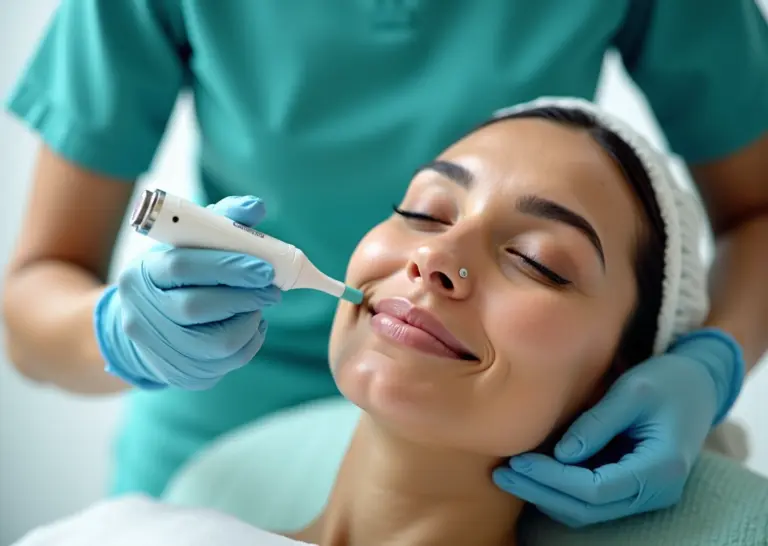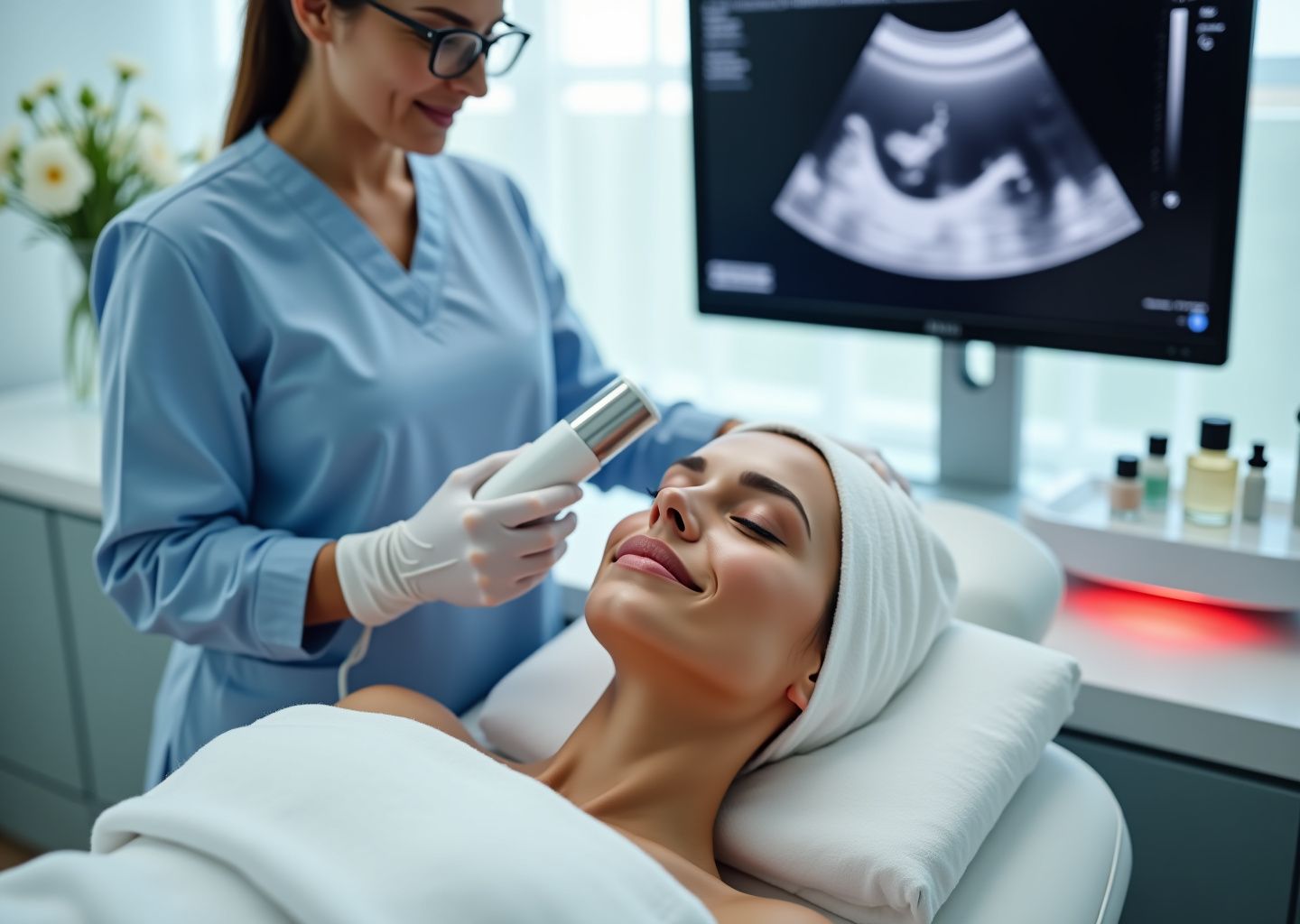
Non‑invasive skin rejuvenation offers effective alternatives to surgery for lifting, tightening, and resurfacing. This article explains how Ultherapy’s microfocused ultrasound works and compares it with microneedling, lasers, chemical peels, radiofrequency, and LED therapies. The following sections detail indications, expected downtime, timelines for results, safety considerations, and how to choose or combine treatments to meet realistic goals.
Ultherapy: Mechanism, Technology, and FDA Clearances
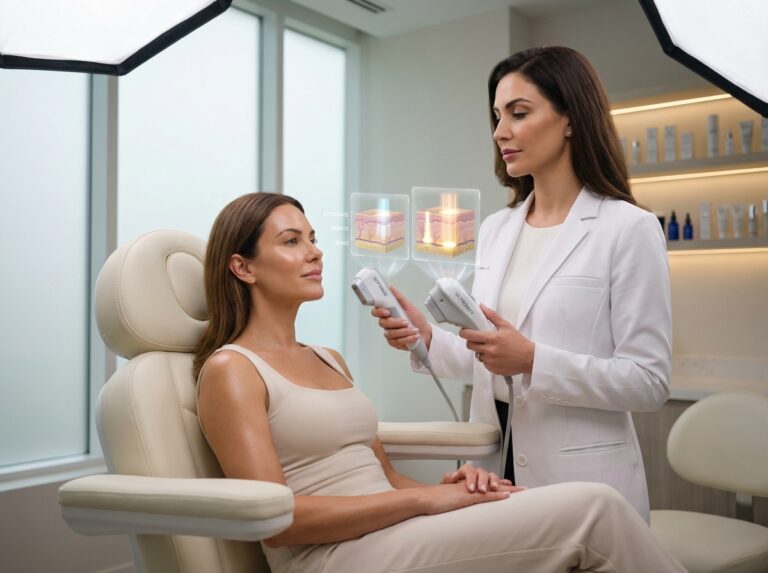
Ultherapy stands out in the landscape of non-invasive treatments because it utilizes microfocused ultrasound energy to target the foundational layers of the skin without disturbing the surface. Unlike lasers, which typically treat the epidermis, this technology bypasses the surface entirely to deliver heat to specific depths where collagen production is most effective. The device creates thousands of tiny, independent attachment points called thermal coagulation zones. These zones reach temperatures between 60 and 70 degrees Celsius, a specific range necessary to cause the immediate contraction of existing collagen fibers and trigger the long-term growth of new ones.
The system targets three primary depths to achieve a comprehensive, multi-layered lift. The 4.5 mm depth reaches the Superficial Muscular Aponeurotic System (SMAS)—the same tissue layer surgeons manipulate during a traditional facelift. The 3.0 mm depth targets the deep dermis, while the 1.5 mm depth addresses the superficial layers to improve fine lines and texture.
A unique and critical feature of this platform is the integrated real-time ultrasound imaging, often referred to as “See-Plan-Treat” technology. This allows the provider to visualize the tissue layers on a screen, ensuring energy is delivered to the correct depth while avoiding structures like bone or major blood vessels. This visualization offers a significant safety advantage over “blind” ultrasound devices, minimizing the risk of hitting the wrong tissue.
Current FDA Clearances and Applications
The technology holds several established approvals from the U.S. Food and Drug Administration. It is cleared for the non-invasive lifting of the eyebrow, the neck, and the sub-mental (under chin) area. It is also approved to improve lines and wrinkles on the décolletage.
In a significant update on November 5, 2025, the Ultherapy PRIME platform gained clearance to treat the abdomen and the arms, including both anterior and posterior regions. These new indications make it the only non-surgical solution with real-time imaging for both the face and the body. Providers may also use the device for off-label purposes, such as tightening skin around the knees, elbows, buttocks, or thighs, relying on the same biological principles of collagen stimulation.
The Patient Experience: Procedure, Pain, and Recovery
The patient journey begins with a thorough consultation where the provider assesses tissue laxity and takes standardized photographs. Because results appear slowly, these baseline photos are essential for tracking progress. Mapping the treatment area is a critical step; the provider uses a specialized marker to outline zones for energy delivery, ensuring even coverage and avoiding sensitive nerves.
Pain Management and Sensation
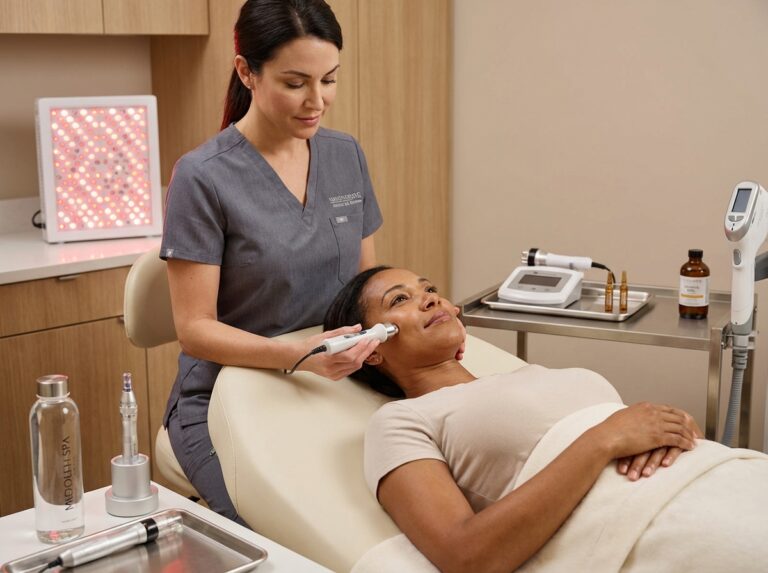
Pain management is a frequent topic of discussion. The sensation is often described as tiny sparks, quick bursts of heat, or a deep tingling beneath the skin. This sensation indicates that the collagen-building process has been initiated. It is most intense over bony areas like the jawline or brow bone. To manage discomfort, clinics offer several options:
* High-potency topical numbing creams applied 45 to 60 minutes before the session.
* Oral analgesics or anti-anxiety medications.
* Nerve blocks for sensitive areas like the jawline.
* Nitrous oxide systems for immediate, adjustable relief.
The updated **Ultherapy PRIME** system has also introduced advancements in processing speed and comfort, reducing the overall treatment time. A full face and neck session typically lasts between 60 and 90 minutes, while treating the chest or arms may take an additional 30 minutes.
Post-Treatment Recovery and Results Timeline
Immediately after the procedure, the skin may appear flushed, slightly swollen, or feel tight. These are positive signs of the biological process and usually resolve within a few hours. Unlike aggressive ablative lasers, there is no wound care required, and most patients return to normal activities immediately.
Results are not immediate. While some initial lifting may occur due to temporary inflammation or immediate collagen contraction, the true transformation happens over several months. The body requires time to synthesize new structural proteins. Most patients notice visible improvements at the two- to three-month mark, with the remodeling process continuing for up to six or even twelve months.
The magnitude of the lift is subtle and natural compared to surgery—often described as a “rested” appearance with more defined contours. Results typically last between one and two years, depending on age, genetics, and lifestyle factors like sun exposure and smoking. While a single session is often sufficient, patients with advanced laxity may benefit from a second treatment six months later.
Safety Profile and Potential Risks
Ultherapy is considered safe for all skin types, including Fitzpatrick scale types IV through VI, because the ultrasound energy bypasses the pigment-producing cells in the epidermis. This makes it a safer choice for darker skin tones compared to many lasers.
However, potential side effects exist. Redness, swelling, and tenderness are common but mild. Some patients experience temporary numbness or tingling caused by heat affecting small sensory nerves; this almost always resolves within a few weeks. Rare complications include prolonged neuropraxia (temporary nerve injury) or focal fat atrophy, which can occur if energy is delivered too deeply into fat pads rather than the SMAS or dermis. Choosing an experienced provider who utilizes the visualization tool correctly is the best defense against these risks.
Alternative Modalities: Microneedling, Lasers, RF, and Peels
While Ultherapy focuses on deep structural lifting, other non-invasive treatments address the skin surface and middle dermis. These options are often superior for correcting texture, pigment, or fine lines.
Microneedling and RF Microneedling
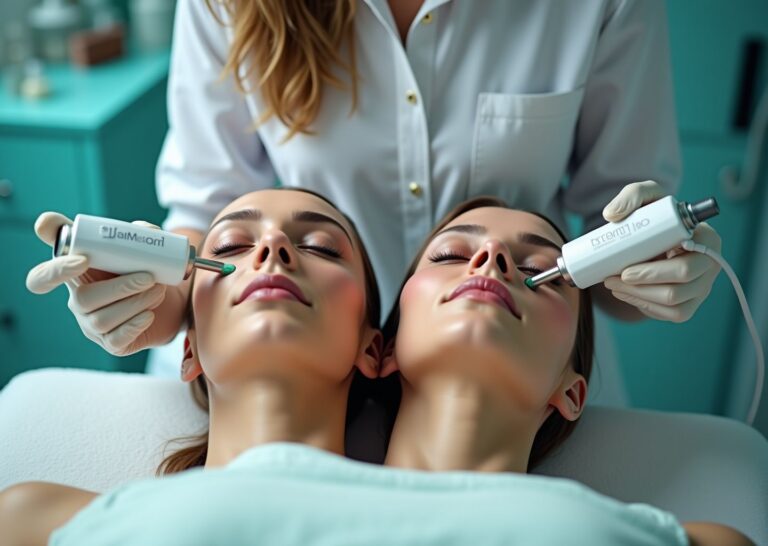
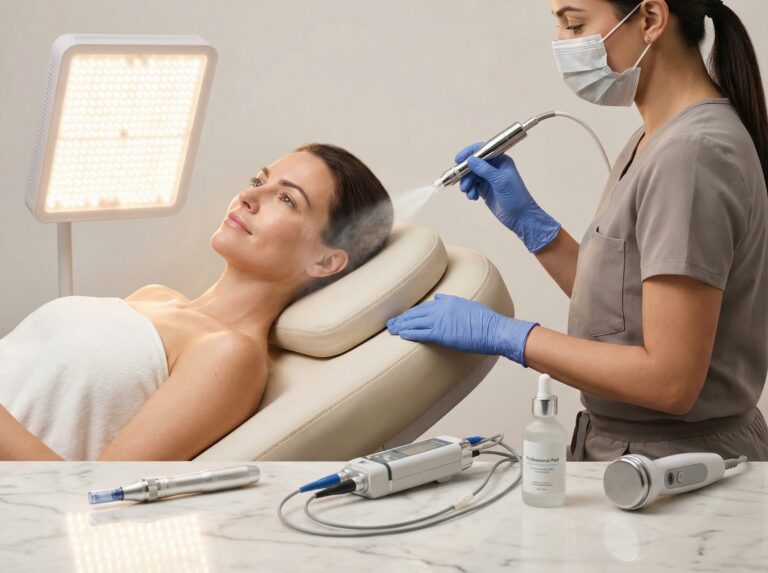
Microneedling uses automated pens with sterile needles to create thousands of microscopic channels in the skin, triggering collagen and elastin production to fill the wounds. It is a primary choice for acne scars, large pores, and fine lines.
**Radiofrequency (RF) Microneedling** adds heat to this process. Needles deliver RF energy directly into the dermis, causing tissue contraction and enhanced collagen growth. Downtime for standard microneedling is 1–3 days (resembling a sunburn), while aggressive RF microneedling can extend recovery to 5–7 days. Results for scarring and texture typically mature over three to six months.
Laser Facials and Resurfacing
Lasers target specific chromophores like water, pigment, or blood vessels.
* **Non-ablative fractional lasers** (e.g., 1550 nm, 1927 nm) create heat zones without removing the top layer of skin. They are excellent for mild sun damage and fine lines, with a recovery of just a few days.
* **Ablative lasers** (e.g., CO2, Er:YAG) vaporize outer skin layers for total surface renewal. They address deep wrinkles and significant damage but require 1–2 weeks of downtime and specialized wound care.
*Safety Note:* Patients with Fitzpatrick IV–VI skin have a higher risk of post-inflammatory hyperpigmentation with lasers. Pre-treatment with hydroquinone or retinoids may be required.
Chemical Peels
* **Superficial Peels:** Use glycolic or salicylic acid to exfoliate the top layer. Zero downtime; good for acne or a quick refresh.
* **Medium Peels:** Use Trichloroacetic Acid (TCA) to reach the upper dermis. Expect significant peeling for 7–10 days.
* **Deep Peels:** Use phenol to reach the mid-dermis. These offer dramatic results for severe aging but carry cardiac and ocular risks, requiring careful monitoring.
Radiofrequency (RF) Therapies
Unlike the pinpoint precision of ultrasound, standard RF provides bulk heating. Monopolar RF travels deep, while bipolar RF stays superficial. These treatments are safe for all skin types and have minimal downtime. While the lifting effect is generally more subtle than Ultherapy, RF is excellent for maintaining skin tightness and thickness. A series of 3–6 treatments is usually required.
LED Phototherapy
LED therapy uses specific light wavelengths for photobiomodulation. Red/Near-Infrared light reduces inflammation and boosts collagen; Blue light targets acne bacteria. It is a gentle, zero-downtime add-on often used to speed healing after more aggressive procedures.
Strategic Combinations and Practical Considerations
Choosing the right rejuvenation path depends on specific goals. If the primary concern is sagging (jowls, heavy brow), Ultherapy is the gold standard for a deep lift. If the concern is surface texture or pigment, lasers or peels are the better starting point.
Combining Treatments for Comprehensive Results
Many patients require a multi-modality approach. A common strategy involves using Ultherapy to tighten the foundation, followed by microneedling or lasers to refine the surface.
* **Botox:** Can generally be administered on the same day as Ultherapy.
* **Dermal Fillers:** It is best to wait at least **four weeks** after Ultherapy before injecting fillers in the same area to prevent the ultrasound heat from degrading the filler. Conversely, if you already have fillers, wait four weeks before treating that area with Ultherapy.
* **Timing:** When combining aggressive resurfacing (lasers/peels) with deep lifting, most providers recommend waiting **4 to 12 weeks** between treatments to allow the skin to complete its initial healing phase.
| Patient Goal | Primary Recommendation | Combined Approach |
|---|---|---|
| Lifting and Tightening | Ultherapy | Ultherapy + RF Microneedling |
| Texture and Pores | Microneedling or Laser | Laser + LED Therapy |
| Deep Wrinkles and Laxity | Ultherapy | Ultherapy + Fillers (staged 4 weeks apart) |
| Pigment and Glow | Chemical Peel or IPL | Peel + Microneedling |
Pre-Procedure Protocols
Preparation is vital for safety.
* **Sun Exposure:** Avoid direct sun for at least two weeks prior. Tanned skin increases the risk of burns and pigment changes.
* **Topicals:** Stop retinols, glycolic acid, and salicylic acid 5 days before treatment.
* **Medications:** Disclose use of blood thinners (which increase bruising risk) or isotretinoin. Patients must wait **6 to 12 months** after stopping isotretinoin before undergoing energy-based treatments to avoid scarring.
* **Cold Sores:** Prophylactic antiviral medication is required for patients with a history of herpes simplex, as heat can trigger outbreaks.
Cost and Provider Selection
In the U.S., these cosmetic treatments are rarely covered by insurance. As of late 2025, typical price ranges are:
* **Ultherapy (Full Face & Neck):** $2,500 – $5,000
* **RF Tightening:** $1,000 – $3,000
* **Non-Ablative Laser:** $500 – $2,000
* **Microneedling:** $300 – $700
The new Ultherapy PRIME platform may alter pricing structures based on the expanded body areas treated.
Selecting a qualified provider is the most critical step. Seek board-certified dermatologists or plastic surgeons who can show before-and-after photos of their *own* patients. Ensure they use real-time visualization during Ultherapy to guarantee energy is delivered safely to the correct depth.
Clinical Takeaways
The landscape of non-invasive skin rejuvenation has shifted toward precision and depth. Ultherapy remains the standout choice for structural lifting because it targets the SMAS layer—the same deep tissue addressed in surgical facelifts. The recent Ultherapy PRIME FDA clearance on November 5, 2025, has expanded these capabilities to the arms and abdomen, providing a versatile solution for body laxity.
While Ultherapy excels at lifting, it does not replace the need for surface correction. Microneedling, lasers, and chemical peels remain essential for addressing texture, scarring, and pigmentation. By understanding the specific depth and mechanism of each tool—and adhering to strict safety protocols regarding skin type and medication history—patients can achieve a comprehensive, natural-looking rejuvenation that lasts.
| Treatment Type | Primary Indication | Typical Downtime |
| Ultherapy | Deep Tissue Lifting | None to Minimal |
| Microneedling | Scars and Texture | 1 to 3 Days |
| Fractional Laser | Wrinkles and Pigment | 3 to 7 Days |
| Chemical Peels | Tone and Glow | Variable |
| Radiofrequency | General Tightening | Less than 24 Hours |
References
- New Indications: Merz Aesthetics' Ultherapy PRIME Gains FDA … — On November 5, 2025, Merz Aesthetics announced that Ultherapy PRIME® gained U.S. Food and Drug Administration (FDA) clearance to improve …
- Legacy of Ultherapy – Aesthetic Procedures — 2024 U.S. FDA Clearance Ultherapy PRIME®, new advanced platform ; 2023 Available in 60+ countries. 2 million+ treatments worldwide ; 2015 Integration in to the …
- [PDF] JUN 2 0 2014 K,4I3LV039 5. 51 0(k) Summary – accessdata.fda.gov — This 510(k) Summary for the Ulthera* System is submitted in accordance with the requirements of the Safe Medical Device Act (SMDA) of 1990 and …
- MERZ AESTHETICS ANNOUNCES THE LAUNCH OF ULTHERAPY … — The noninvasive Ultherapy® procedure is U.S. FDA-cleared to lift skin on the neck, on the eyebrow and under the chin as well as to improve lines …
- [PDF] February 24, 2025 Ulthera, Inc. Scott Jewett Sr. Regulatory Affairs … — Please note that regardless of whether a change requires premarket review, the QS regulation requires device manufacturers to review and approve.
- [PDF] May 4, 2018 Ulthera, Inc Mr. Steven J. Kachelmeyer Executive … — Ulthera® System. Conclusion: The Ulthera® System is as safe and effective as the predicate Ulthera® System cleared by FDA in K134032. The …
- K233996 – 510(k) Premarket Notification – FDA — FDA, U.S. Food and Drug Administration. U.S. Food & Drug Administration … Date Received, 12/18/2023. Decision Date, 02/22/2024. Decision, Substantially …