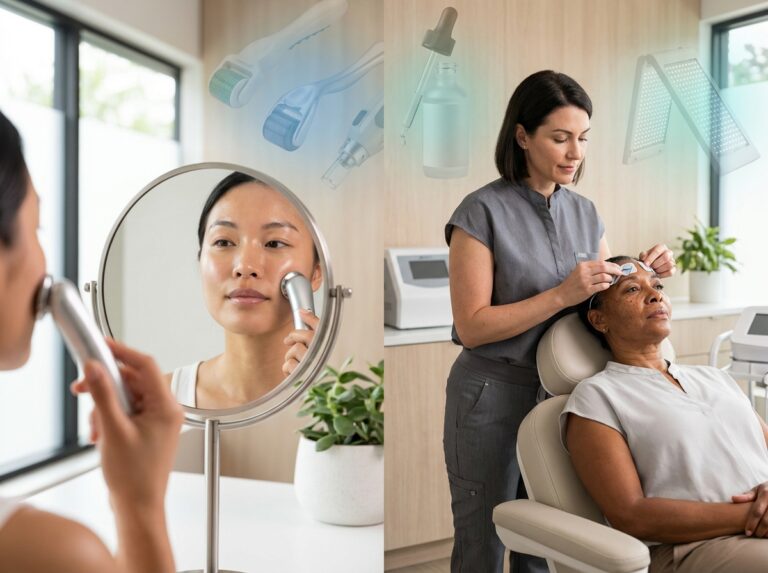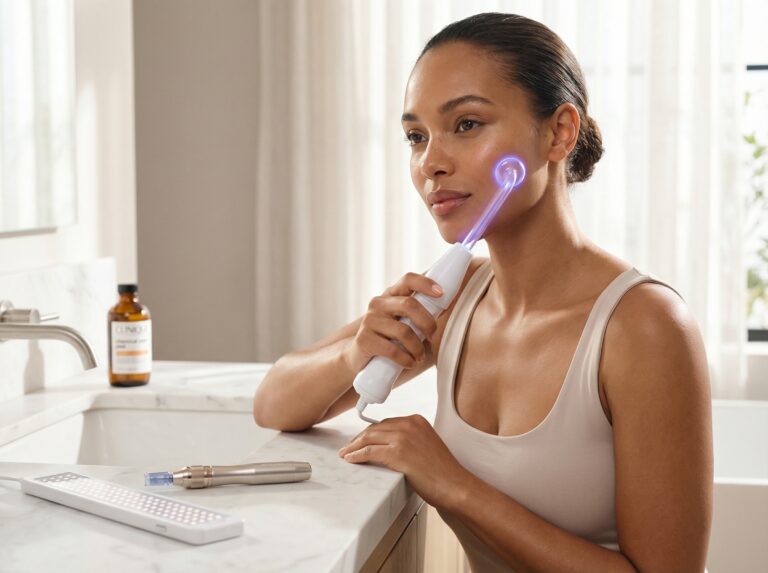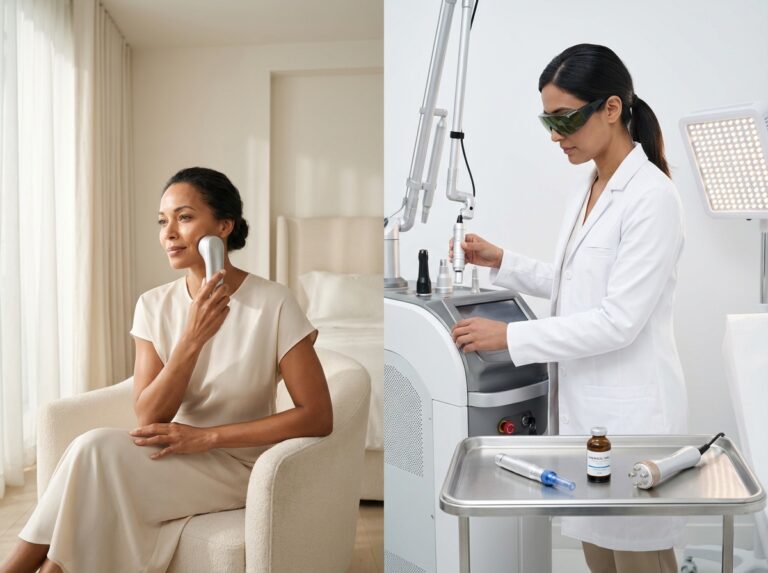
Non-invasive skin rejuvenation is popular for treating wrinkles, texture, scars, and pigmentation. This article examines the risks of at-home microneedling pens and rollers, compares professional options like lasers, chemical peels, RF, and LED, explains expected downtime and results, and provides practical safety checks and aftercare to help readers choose the safest, most effective path to better skin.
Understanding the reality and risks of at-home microneedling
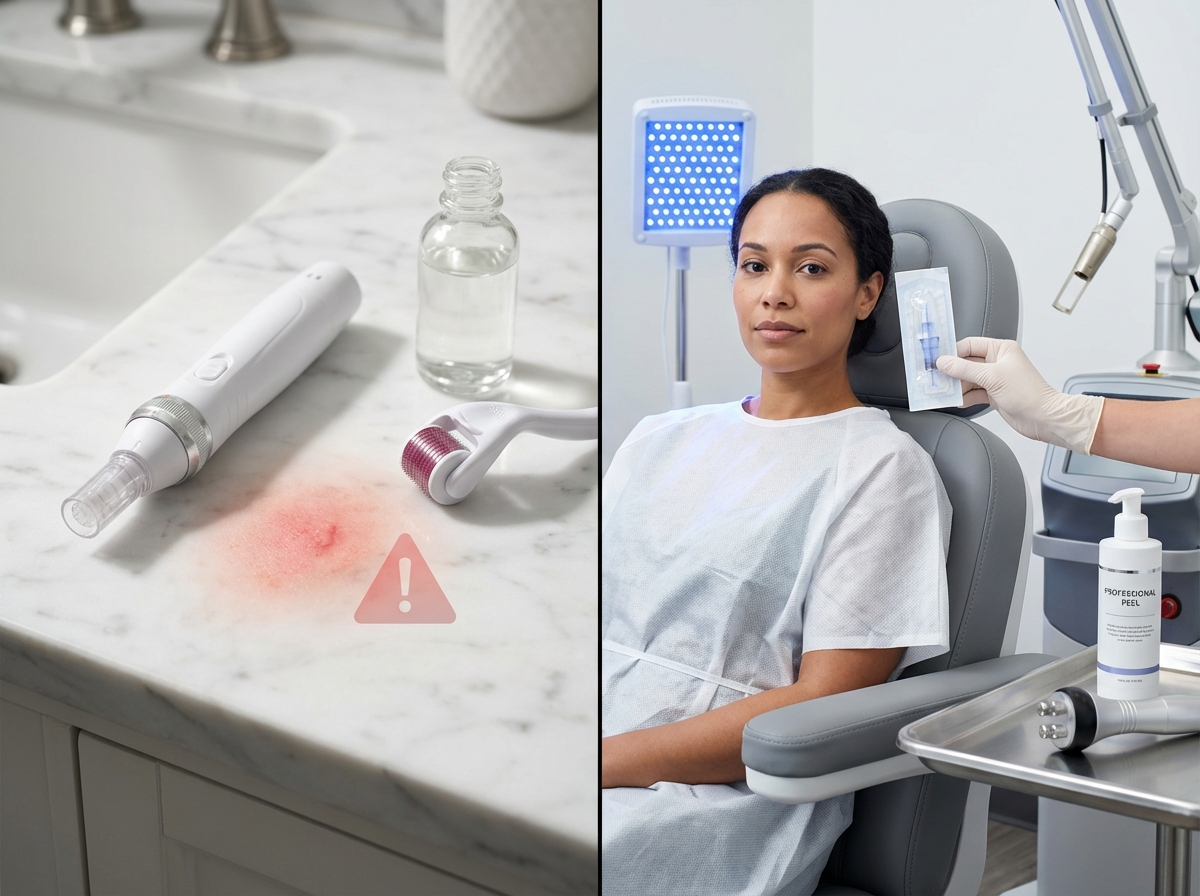
The appeal of achieving professional-level results from your own bathroom is strong, promising significant improvements for a fraction of the cost. However, the reality of at-home microneedling is filled with significant risks that often outweigh the benefits. The core of microneedling is creating controlled micro-injuries to stimulate the skin’s healing response and build new collagen. In a clinical setting, this is a precise, sterile procedure. At home, it often becomes an uncontrolled experiment where the fundamental difference lies in needle depth and sterility.
Consumer-grade derma rollers and pens typically use needles around 0.1 mm to 0.3 mm. These are designed mainly to enhance the absorption of topical products and do not penetrate deep enough to trigger meaningful collagen production. Professional devices, however, use needles up to 2.5 mm long to reach the dermis and target deep concerns like acne scars. The marketing for many at-home devices blurs this line, suggesting you can get the same deep remodeling results. This misconception is where the at-home microneedling dangers begin.
One of the most serious issues is the high microneedling infection risk. Your skin is a barrier, and every puncture creates an open door for bacteria. Many at-home rollers are designed to be reused, and even with diligent cleaning using alcohol, it is nearly impossible to achieve true sterility outside of a medical environment. Bacteria like Staphylococcus aureus, fungi, and viruses can colonize the device between uses. Rolling these pathogens directly into your skin can lead to localized infections, impetigo, or even cellulitis. Furthermore, sharing a device—even with family—is a direct route for transmitting blood-borne pathogens. The FDA explicitly warns that improper cleaning and device sharing are major sources of infection. Professional clinics eliminate this risk by using single-use, sterile needle cartridges for every single treatment.
Beyond infection, there is a real potential for permanent physical damage. The quality of the device itself contributes to home derma roller risks. Many consumer-grade tools are poorly manufactured, with needles that are bent, dull, or irregularly spaced. Instead of creating clean microchannels, these imperfections can rip, scratch, and drag the skin. User error exacerbates this; applying too much pressure, going over the same area too many times, or using a device with needles longer than 0.3 mm can create micro-tears. This uncontrolled trauma can lead to track-mark scarring, hypertrophic scars, or keloids, especially in individuals prone to them.
Another significant risk is post-inflammatory hyperpigmentation (PIH), which appears as dark spots after the skin is injured. This is particularly common in individuals with higher Fitzpatrick skin types (IV-VI), whose pigment-producing cells are more reactive to trauma. Aggressive at-home needling can easily trigger this response, leaving you with more discoloration than you started with.
The products you apply during or after at-home microneedling also pose a threat. While the goal is to enhance serum absorption, the microchannels allow ingredients to bypass the skin’s protective outer layer and penetrate much deeper than intended. This can cause severe allergic contact dermatitis or foreign body granulomas, where the immune system forms inflammatory nodules around substances it perceives as foreign. There are documented cases in dermatology literature of persistent, bumpy granulomatous reactions to vitamin C serums, fragrances, and other topicals applied after microneedling.
Certain conditions make at-home microneedling completely unsafe. You should never perform microneedling at home if you have active acne, rosacea, warts, or moles, as this can spread bacteria and worsen inflammation. It is strictly contraindicated for anyone who is pregnant, has a history of keloid scarring, a bleeding disorder, or has used oral isotretinoin (Accutane) within the last 6 to 12 months due to the risk of atypical scarring.
Improving microneedling pen safety at home starts with recognizing these limitations. If you choose to proceed, use only devices with needles no longer than 0.25 mm to 0.3 mm, and treat them as single-use tools whenever possible to avoid infection. However, the safest approach is to avoid invasive at-home procedures entirely. If you experience spreading redness, pus, fever, or severe pain after using a home device, seek medical attention immediately, as these are signs of a serious infection requiring professional care.
Comparing lasers, chemical peels, RF, and LED to microneedling
When you move beyond at-home devices, the world of professional skin rejuvenation opens up. It’s a landscape filled with powerful tools, from lasers to chemical solutions, each with its own way of working. Understanding how professional microneedling stacks up against these alternatives is key to making an informed choice for your skin.
Each treatment modality triggers rejuvenation through a different mechanism. Microneedling is purely mechanical; it uses fine needles to create controlled micro-injuries, stimulating the body’s natural wound-healing process to build new collagen. In contrast, lasers use focused light energy to generate heat in the skin. Non-ablative lasers heat the deeper dermal layers without removing the surface, while ablative lasers vaporize the outer layer of skin for a more dramatic resurfacing. Chemical peels use acidic solutions to dissolve the bonds holding skin cells together, causing controlled exfoliation. The depth of the peel, from superficial to deep, determines its intensity and results. Radiofrequency (RF) treatments use electromagnetic energy to gently heat the dermis, causing collagen fibers to contract and stimulating new collagen production over time. Finally, LED therapy uses specific, non-thermal wavelengths of light to modulate cellular activity, like reducing inflammation or targeting acne bacteria.
These different mechanisms make each treatment suitable for specific concerns:
- Microneedling is highly effective for atrophic acne scars, fine lines, and improving overall skin texture. Results become noticeable after a series of treatments as collagen gradually rebuilds over several weeks to months.
- Lasers are a powerhouse for concerns related to tone and deep texture. Non-ablative lasers are great for moderate sun damage and fine lines, with improvements appearing over a series of 3 to 5 sessions. Ablative lasers can produce significant improvement in deep wrinkles and severe scarring after just one treatment, but with substantial downtime. When considering laser facial safety, the risk of pigmentation changes is a major factor.
- Chemical peels are versatile for treating hyperpigmentation, acne, and fine lines. A superficial peel can brighten skin within a week, while medium or deep peels offer more profound results for texture and sun damage over several weeks of healing. The main chemical peel risks involve improper healing and pigmentation issues.
- RF treatments excel at addressing mild to moderate skin laxity. The tightening effect is gradual, with full RF skin tightening results often taking 3 to 6 months to appear after a course of treatments.
- Common LED phototherapy uses include managing inflammatory acne with blue light and reducing redness or promoting healing with red light. It is often used to support other procedures rather than as a primary rejuvenation tool.
Downtime is a practical consideration that varies widely. LED therapy has zero downtime. RF treatments and superficial peels usually involve only a day or so of mild redness. Non-ablative lasers might cause redness and swelling for 1 to 7 days. Microneedling typically results in 1 to 3 days of redness. The recovery commitment grows with medium peels (7 to 14 days) and becomes significant with ablative lasers, which can require 1 to 3 weeks or more of intensive wound care.
Your skin type, specifically your Fitzpatrick scale number (I-VI), heavily influences treatment safety. Individuals with higher Fitzpatrick types (IV-VI) have more active melanocytes, making them more susceptible to post-inflammatory hyperpigmentation (PIH) from treatments that generate heat or significant inflammation, like lasers and deeper chemical peels. Microneedling is often considered a safer option for darker skin tones because the injury is mechanical and doesn’t produce the same level of thermal energy, though the risk of PIH still exists if the procedure is performed too aggressively.
Sometimes, the best approach is a combination of therapies. A clinician might pair microneedling with Platelet-Rich Plasma (PRP) or growth factors applied topically to enhance the healing and collagen-building response. However, adding topicals to broken skin requires strict sterile technique to avoid infection or adverse reactions. Other protocols might involve alternating microneedling sessions with non-ablative laser treatments to address both texture and pigment comprehensively, but these are always spaced out to allow the skin barrier to fully recover between procedures.
Setting realistic expectations is crucial. Most of these treatments are not a one-time fix. A typical series for acne scars or fine lines involves three to six microneedling or non-ablative laser sessions, spaced about 4 to 6 weeks apart. RF and LED also require multiple sessions. Once you achieve your desired results, maintenance treatments are often needed every 6 to 12 months to sustain them.
How to assess safety, choose a provider, and practice safe aftercare
Navigating the world of aesthetic treatments requires careful planning to ensure you get the results you want without compromising your health. Whether you decide on a professional procedure or a safer at-home routine, your choices matter. The first step is to thoroughly vet any potential provider. When you choose a dermatologist or licensed aesthetician, you are paying for their expertise and a controlled, sterile environment.
Before committing to any treatment, use this checklist during your consultation:
- Credentials and Experience. Ask about the provider’s board certification, state license, and how many years they have been performing the specific procedure you want.
- Before and After Portfolio. Request to see photos of previous patients. Look specifically for results on skin types and concerns similar to your own.
- Device and Supply Details. Inquire about the make and model of the device they use. Ask if it is FDA-cleared for your specific concern. Crucially, confirm that they use sterile, single-use needle cartridges for every single treatment. The FDA explicitly warns against reusing cartridges due to infection risk.
- Safety Protocols. Does the clinic require a patch test for chemical peels or certain topicals? They should provide a detailed informed consent document that outlines all potential risks and benefits.
- Aftercare Plan. A reputable provider will give you clear, written instructions for post-procedure care before you even book the appointment.
Be wary of major red flags. Walk away from any clinic that uses high-pressure sales tactics, offers guarantees of “perfect” results, or attempts to sell you prescription-strength products without a proper consultation and prescription from a qualified medical professional.
Once you’ve selected a provider, proper preparation is key. You must be transparent about your health. Disclose your entire medical history, including any history of cold sores, keloid scarring, or autoimmune conditions. Provide a full list of medications and supplements, as things like fish oil, vitamin E, and aspirin can increase bleeding risk. Your clinician will advise you on when to stop them. It is critical to mention any recent use of isotretinoin; most professionals require a waiting period of 6 to 12 months before performing resurfacing treatments to avoid healing complications.
Post-treatment care is just as important as the procedure itself. Following instructions diligently minimizes risks and supports the best possible outcome.
For microneedling aftercare, the rules are simple but strict. For the first 24 to 72 hours, keep the area clean and avoid all makeup. Use only a gentle, non-exfoliating cleanser and a simple, hydrating moisturizer recommended by your provider. Do not apply any active ingredients like retinoids, vitamin C, or exfoliating acids for at least 3 to 7 days, or until your provider gives you the okay. Sunscreen is non-negotiable. Your skin is highly vulnerable to sun damage after treatment, which can lead to hyperpigmentation. Use a broad-spectrum mineral sunscreen (SPF 30+) daily.
The laser facial downtime and recovery period, along with recovery from chemical peels, depends on the treatment’s intensity. For light non-ablative lasers or superficial peels, you can expect a few days of redness and light flaking. Deeper, ablative procedures may require applying an occlusive ointment like Aquaphor for several days to protect the raw skin. Watch closely for any signs of infection, such as increasing pain, pus, or spreading redness. Actives should be reintroduced very slowly, often weeks later, and only with your provider’s guidance.
Radiofrequency and LED therapies have minimal downtime. You might experience some temporary redness after an RF treatment, but you can typically resume your normal routine immediately. Even with these gentle procedures, daily sun protection is essential to protect your investment and prevent new damage.
For those with mild concerns, there are effective and safe at-home skin care options. A topical retinoid prescribed by a dermatologist, consistent use of a broad-spectrum sunscreen, and a medical-grade LED therapy device can significantly improve skin texture and tone over time.
Finally, consider the trade-off between cost and safety. Professional treatments are an investment. While the lower price of at-home devices is tempting, the financial and health costs of fixing a complication like a deep infection or permanent scar are far greater. Cosmetic procedures are not covered by health insurance, and neither are the complications that arise from misusing at-home tools.
Final takeaways: practical recommendations and next steps
Navigating the world of skin rejuvenation can feel overwhelming, but the journey to healthier skin begins with one core principle: safety first. We’ve explored the significant differences between professional treatments and at-home microneedling, and the conclusion is clear. While the convenience of at-home devices is tempting, they introduce serious risks of infection, scarring, and unpredictable skin damage that are largely avoided in a clinical setting. Professional treatments like lasers, medical-grade peels, and radiofrequency are performed with sterile, FDA-cleared equipment by trained experts who can customize the procedure to your specific skin needs and manage any complications. The goal is not to discourage you, but to empower you with the knowledge to make the safest, most effective choices for your skin.
Your path forward should be guided by your specific goals and skin condition. This practical checklist can help you decide on the right next steps.
When to See a Board-Certified Dermatologist
You should always start with a professional consultation if you are targeting specific medical or cosmetic concerns. Make an appointment if you want to treat any of the following:
- Moderate to severe acne scars
- Deep wrinkles or significant sun damage
- Hyperpigmentation, melasma, or uneven skin tone
- Skin laxity or sagging
- You have a history of keloid scarring, eczema, rosacea, or active acne
- You have a darker skin tone (Fitzpatrick type IV-VI), which is more prone to pigmentation issues
When an At-Home Device Might Be Acceptable
If you are committed to trying an at-home roller, it should only be for enhancing the absorption of serums on healthy, resilient skin. You must follow these rules without exception:
- Needle Length: Use a device with needles no longer than 0.3 mm. Anything deeper penetrates the dermis and dramatically increases risks.
- Purpose: Understand you are not stimulating collagen. This is purely for topical product enhancement.
- Sterilization: You must meticulously clean your device with isopropyl alcohol before and after every single use. Never share it.
- Skin Condition: Never use it on active acne, moles, warts, broken skin, or any area that is irritated or infected.
- Frequency: Do not overuse it. For very short needles (0.1 mm to 0.2 mm), once a week is the absolute maximum. For slightly longer needles (0.25 mm to 0.3 mm), once every two to four weeks is a safer frequency to allow the skin barrier to recover.
Immediate Signs That Require Medical Attention
Stop all treatments and contact a doctor immediately if you experience any of these signs after a procedure, whether at home or in a clinic:
- Spreading redness, warmth, or swelling that worsens instead of improving after 24 hours
- Increasing pain, tenderness, or pus-like discharge
- Fever, chills, or swollen lymph nodes
Budgeting, Research, and Final Steps
Investing in professional care is an investment in your long-term skin health. While a series of in-office treatments costs more upfront than a single at-home device, the price of correcting a complication like a deep infection or permanent scar is far greater. Start by scheduling consultations with a few board-certified dermatologists or reputable medical spas. Most consultations are affordable and provide a wealth of personalized information.
When researching clinics, ask direct questions. Is the device they use FDA-cleared for your specific concern? Do they use a new, sterile, single-use needle cartridge for every single patient? Can they show you before-and-after photos of patients with similar skin types and goals? A trustworthy provider will welcome these questions.
Beautiful, healthy skin is absolutely achievable. The most effective and lasting results come from informed choices, professional guidance, and a commitment to proper aftercare. Diligent sun protection is the most critical step you can take to protect your investment and prevent future damage. By prioritizing safety and working with a qualified expert, you can confidently achieve your skin rejuvenation goals.
safe skin rejuvenation, microneedling safety tips, how to choose a laser or peel
Sources
- MDPen Reviews: The Pro vs. Home Safety Guide — In fact, using a roller at home can lead to uncontrolled trauma, potential scarring, and even infection if not handled with extreme care.
- Microneedling Devices – FDA — Update: October 15, 2025 – The FDA has issued a safety communication about “Potential Risks with Certain Uses of Radiofrequency (RF) …
- Microneedling – StatPearls – NCBI Bookshelf – NIH — Home-care rollers (needles of about 0.1 mm in length) are used for transcutaneous delivery of antiaging agents. Devices combining microneedling …
- Microneedling Devices: Getting to the Point on Benefits, Risks … – FDA — If you're thinking about microneedling to make your skin look better, know the benefits and risks associated with microneedling devices.
- At-Home Microneedling Tools Are Trending, But Should They Be? — When it comes to at-home microneedling pens, Susca says they can be unsafe. “They claim to deliver results on par with professional devices …
- Skin Pen Microneedling Trends 2025: What's New? — Explore the latest skin pen microneedling trends for 2025. Discover rising tech, consumer preferences, and market growth.
- The Ultimate Guide to Microneedling 2025 | Healthy Solutions Medspa — The SkinPen is the only FDA cleared and legally marketed automated, non-surgical Microneedling device on the market. It is proven safe and …
Legal Disclaimers & Brand Notices
The content provided in this article is for informational purposes only and does not constitute professional medical advice, diagnosis, or treatment. Always seek the advice of a physician or other qualified health provider with any questions you may have regarding a medical condition or specific aesthetic procedure. Never disregard professional medical advice or delay in seeking it because of something you have read in this article.
All product names, logos, and brands mentioned in this text, including SkinPen, are the property of their respective owners. All company, product, and service names used in this article are for identification purposes only. Use of these names, logos, and brands does not imply endorsement or affiliation.